Latest Updates
Who's Online

Please sign in to add comments


Cart Contents
| Item: | Price: | Qty: |
|---|---|---|
| Total: R 0.00 | ||
User Content
Latest Poll
Feature
Nexus Month of Horror Gaming - Part 1 (Resident Evil, Silent Hill, Alone in the Dark)
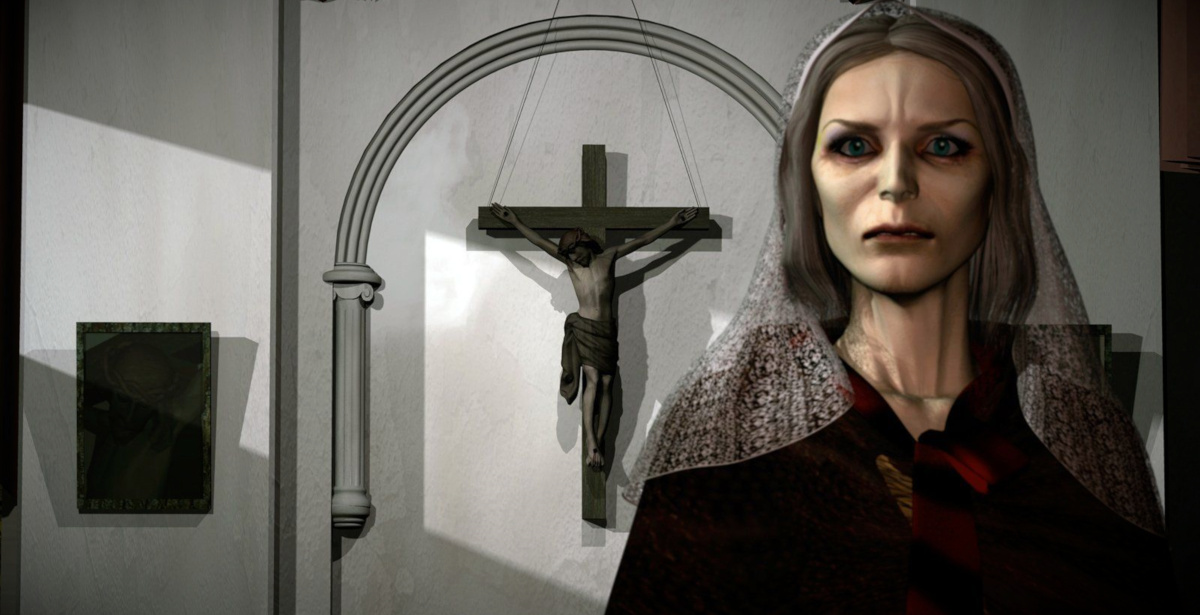
It’s October, which for many of us is an excuse to spend 31-days bingeing on horror-themed video games. As this year has presented some of us with the opportunity to hunker down indoors and use commuting time for gaming instead, we’re putting together a list of some of our favourite horror titles you could play this month, explaining why we love them, and how you can play them today. We’re not going to stick rigidly to a specific definition of horror, so expect classic survival-horror, run-and-hide horror, action-horror, and a few games that just have a horror veneer.
In Part 1, I’m looking back to the late ‘90s – around the transition from the revolutionary PlayStation One to the dominant PlayStation 2 – the start of a golden era for survival-horror that left fans with a ton of options (albeit of wildly varying quality).

It’s hard to believe the original Resident Evil 2 is over 22-years-old as it’s impact on the survival-horror genre is massive. Even gamers born after its release will have probably heard of its legacy and seen the response to Resident Evil 2 (2019). The foundations for the survival-horror genre were laid by 1996’s Resident Evil (it’s the most recognisable progenitor at any rate) but RE2 upped the ante considerably. Instead of traversing a zombie-filled mansion isolated in the forest, all of Raccoon City had succumbed to the T-virus infection and players were tasked with guiding the new protagonists, rooky cop Leon Kennedy and capable biker Claire Redfield, through a new nightmare that took you from the city streets, to the sprawling RPD building, the sewers beneath, and finally down into the Umbrella laboratory were the new outbreak started.
I appreciate games with action-packed set pieces that force me to make on-the-fly decisions, but my true love is for methodical games that reward a cautious playstyle (and punish recklessness). RE2’s classic survival-horror mechanics hit all the right notes for me. You start off scrambling through the city – using those glorious tank-controls – with few bullets and no healing items, before sighing in relief when you finally stumble upon a shotgun (or bowgun) that’ll get you through tougher encounters unscathed. Every spare bullet or healing item is jealously hoarded, carted off to the nearest saferoom – the soothing backing track remains etched in my memory – and carefully arranged in Resident Evil’s iconic item box for when you need it most.

With relatively simple gameplay mechanics – find the right key for the right door, use appropriate gun on appropriate enemy type, avoid being eaten – RE2’s excels at making inventory-management a core part of the experience and simultaneously stressful yet satisfying. With limited inventory slots, planning your foray into a new part of the RPD, getting to the next saferoom taking no damage, and clearing a safe route while using the minimum number of bullets, provides a sense of satisfaction like no other. Optimal routing and item management is a huge part of RE2’s replayability, helped no end by a campaign structure that offers two interconnected A+B scenarios (for a total of 4 runs, with unique story beats and encounters).
Resident Evil 2 (1998) is, admittedly, not the easiest game to pick up and play if you’re not already familiar with games from the tank-control era. However, while Resident Evil 2 (2019) is an excellent remake that modernises many elements (albeit at the cost of less variation between the scenarios), the original still has fantastically detailed backdrops, unsettling ambient audio, an amazing soundtrack, and an engaging plot that swings between sombre and goofy. Unfortunately, getting your hands on a digital copy of Resident Evil 2 (1998) these days leaves you with no option but to pick up the PSOne Classic version on PSN (and you’ll need an older Sony console that’ll run it – PSP, PS3, or PS Vita).

There aren’t many horror games I dread the thought of replaying, but Silent Hill’s relentless and oppressive atmosphere makes it one of them (hell, I still shudder just hearing the title theme). After crashing on the outskirts of the titular Silent Hill, while avoiding a small girl crossing a foggy highway, Harry Mason wakes up and sets off to find his missing daughter Cheryl. Within five nerve-shredding minutes, you’ll understand something is very, very wrong with the town. What I love most about Silent Hill, even after several replays, is how the player is left as confused as the protagonist, up until the very end. Fog-wreathed streets, a hellish otherworld, and twisted creatures are terrifying in their own right, but so is having no idea where you are, where you’re going, or how you’ll escape.
From a gameplay perspective, Silent Hill doesn’t stray far from classic survival-horror staples, so it’s another game in which you’ll need to wrap your head around the tank-controls and focus on scrounging every last resource (albeit without inventory limits, praise the old gods!). You still stand in place to shoot and having enough powerful bullets for the infrequent “boss” encounters is more important than any dextrous movement or manual aiming. Unlike the Resident Evil games, however, it rarely feels like you can clear safe routes as you’ll need to backtrack through the streets on several occasions. Consequently, running from threats is far more effective in Silent Hill and this simply cranks up the tension to 11.

Thankfully, the gameplay is competent enough to keep you moving forward and hitting new story beats. The twisting narrative, unsettling and untrustworthy supporting cast, symbolism-rich environment and monster designs, and shocking reveals are where Silent Hill truly shines. Silent Hill is a game you play for the story, which offers up several endings based on your actions, and the incredibly unsettling atmosphere. It’s an early 3D PSOne game – so think chunky, unattractive environments and muddy textures – yet the creature designs are great, the fog world unsettling, the otherworld terrifying, the soundtrack brilliant, and the CG cutscenes impressive for the time. Despite sticking to fixed camera angles, the 3D world allowed for more dynamic camera movements at times, which could highlight a point of interest or a monster emerging from the fog.
As with most PSOne survival-horror games, Silent Hill is tough to pick up and play these days with the dated control scheme, fiddly inventory management, and muddy visuals (it’s begging for a remake Resident Evil 2 (2019)-style). However, it’s still well worth the experience and you can pick up the digital PSOne Classic version of Silent Hill on a PSP, PS3, or the PS Vita (my preferred method as you can use a Dualshock 4).

One of the last traditional survival-horror titles for the PSOne (with a PS2 port arriving a few months later with higher resolutions and slightly better textures), Alone in the Dark: The New Nightmare is often ignored as a “non-canon” entry wedged between the influential original trilogy and the (mostly) rubbish Alone in the Dark (2008). Whereas the clunky control scheme and puzzle-oriented gameplay of the original trilogy clearly inspired 1996’s Resident Evil, Alone in the Dark: The New Nightmare repurposed the well-established Resident Evil formula and added a few unique mechanics.
Paranormal investigator Edward Carnby teams up with a young anthropology professor Aline Cedrac to uncover the mysteries of Shadow Island, located off the stormy coast of Massachusetts. Edward’s partner was found dead on the island, while Aline thinks Obed Morton – the latest in a long line of Morton’s who inhabit the island – might be her father. Their personal interests swiftly fall by the wayside as it become apparent the island is overrun with shadow creatures, hideous experiments that are the harbinger to the end of the age of light. What follows is a lengthy adventure across the island to stop an ancient ritual, relying on the tried-and-tested gameplay loop: find keys for an improbable number of locked doors, horde ammunition and health items to survive combat, repeatedly encounter several shady characters that seem to know more than they’re letting on.

Alone in the Dark: The New Nightmare’s unique gameplay hook was the constant use of light to defeat enemies, solve puzzles, and clear safe paths through the environment (specifically the sprawling mansion that dominates the first half of the game). Running frantically towards a light switch could save you from wasting bullets, but sometimes you’d need to turn off the lights to solve puzzles or reveal clues. Both characters possess a torch that the player can manually aim with the right analog stick (which highlighted pickups, blinded some enemies, and also assisted in puzzle-solving), and despite the 2D backdrops, Alone in the Dark: The New Nightmare had a great visual trick to simulate the torch beam and object shadows. Unlike many of its contemporaries, reading documents is essential to solving puzzles but the game does highlight the relevant text. Despite some muddy textures, awkward animations, and no lip-syncing, Alone in the Dark: The New Nightmare remains one of the most visually impressive titles on the PSOne and, in contrast to 1999’s Silent Hill, a great examples of how 2D backdrops are still a great design choice.
Unfortunately, by the time 2001 rolled around, even the impressive visuals and unique light-based mechanics couldn’t save Alone in the Dark: The New Nightmare from feeling like just another entry in an increasingly saturated genre. However, going back to it last year, it’s easy to recommend if you’re a fan of classic survival horror and are looking for two very different playthroughs, featuring unique locations, puzzles, and story beats. Digitally, you can pick up the PC port of Alone in the Dark: The New Nightmare cheaply from GOG (with the same visual improvements as the PS2 port and gamepad support) or, if you have a PS3, you’ll can create a US account to get the PSOne Classic version.
Are you planning on making October a month of horror-themed? If so, let us know what you think our choices and what you’re planning to play this month in the comments below.
Nexus' Month of Horror Gaming Part 2
Nexus' Month of Horror Gaming Part 3
Nexus' Month of Horror Gaming Part 4
Nexus' Month of Horror Gaming Part 5

There are 6 comments
 Lurch
Lurch


Please login to post comments.
More Features

10 Witchy Anime to Get You in the Spooky Spirit This October
With October here, that means only one thing: spooky season has arrived! In the lead-up to Halloween...
09-10-26 Read more

Comic Con Africa 2026 Wrap-Up
Comic Con Africa is one of the biggest events of the year, hosting over 70,000 people across a span ...
30-09-26 Read more
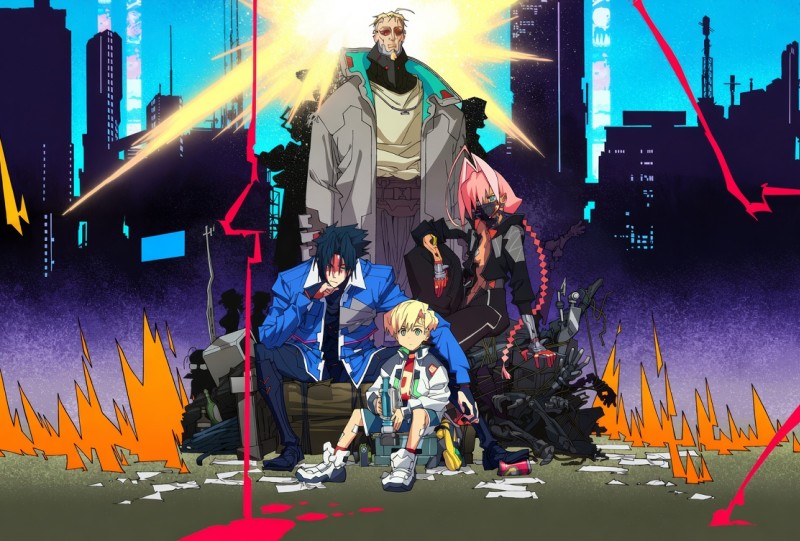
New and Returning Anime This October 2026
With October bringing a new change in season as well as Spooky Season, it also brings in a new anime...
29-09-26 Read more

MSI Modern A15 AI+ vs Cyborg 15 vs Crosshair 17 HX AI: Which MSI Laptop Should You Buy in South Africa?
There was a time when buying a laptop was relatively simple. You found one within your budget, checked...
28-09-26 Read more

Top 10 Things To Do at Comic Con Africa 2026
Comic Con Africa opens its doors this week as South Africa’s premier destination for all things geek...
23-09-26 Read more

Shoma Govender's Game Over Cancer Campaign Taps Into Tabletop & Board Gaming at Nexus Hub
Gaming communities are often at their best when they come together for something bigger than the games...
22-09-26 Read more

Comic Con Africa 2026 International Guests Roundup
With Comic Con Africa 2026 only a week away, the excitement and hype is slowly building towards the ...
15-09-26 Read more
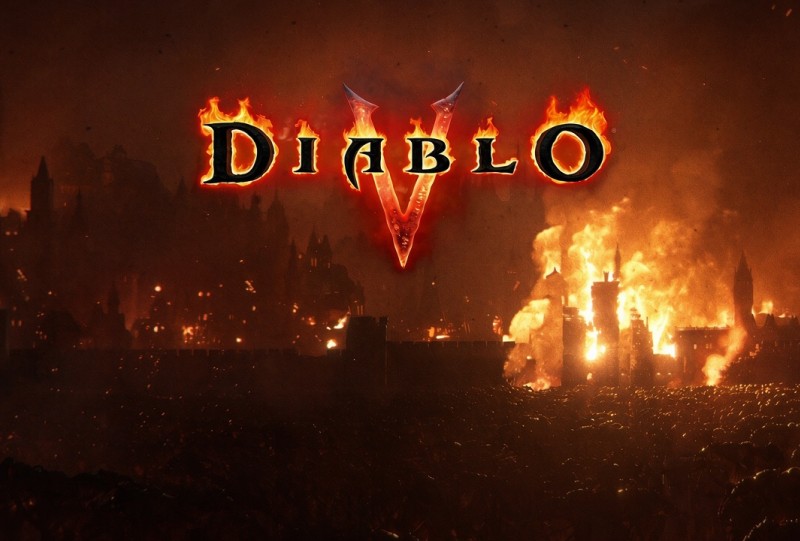
BlizzCon 2026: All the Biggest Announcements
After taking a three-year break, BlizzCon has finally returned, and Blizzard had plenty to announce...
14-09-26 Read more

Cyberpunk 2077 Would Be Even Better If It Were More Deus Ex And Less Assassin's Creed
Five years, a dozen major patches, and one sizeable expansion have evolved, expanded, and improved Cyberpunk...
07-09-26 Read more

Mrs South Africa Finalist Shoma Govender Launches Game Over Cancer Fundraiser
For Mrs South Africa finalist, Shoma Govender, the journey towards the crown has become about far more...
05-09-26 Read more