Latest Updates
Who's Online

Please sign in to add comments


Cart Contents
| Item: | Price: | Qty: |
|---|---|---|
| Total: R 0.00 | ||
User Content
Latest Poll
Review
Review: Control Resonant
Always be what you want to be.

It’s been seven years since the events of developer Remedy Entertainment’s original 2019 Control title have transpired when Control Resonant begins firing up its plot, and things have gone ever-so-slightly awry within the Federal Bureau of Control while we were all busy elsewhere. Not only does the FBC have a shiny new and catastrophic Manhattan-centered Altered World Event to sort out (going by the term “Patterning”), but the Hiss resonance has managed to break out of the organisation’s Oldest House HQ entirely.

Players assume the role of Dylan Faden, the brother of Control protagonist Jesse, as he awakens from a coma to all of the above-mentioned madness – his sister having mysteriously disappeared. After striking a deal with the FBC, it’s up to Dylan to get to the bottom of the Patterning AWE and uncover the whereabouts of his sibling, with the title’s primary gameplay being comprised of melee/ability-fueled combat, moderate platforming/parkour sections and obsessive collectible hunting (for bits of documented lore and audio logs, for example). I will not be discussing further story details here for the sake of spoilers but, as you’d likely expect, Resonant’s moment-to-moment action is all backed by fantastically trippy sights and sounds, okay to decent dialogue delivery and fast-paced (if not repetitive, more on that in a bit) combat taking place within the now wrecked and Hiss-occupied streets of Manhattan.

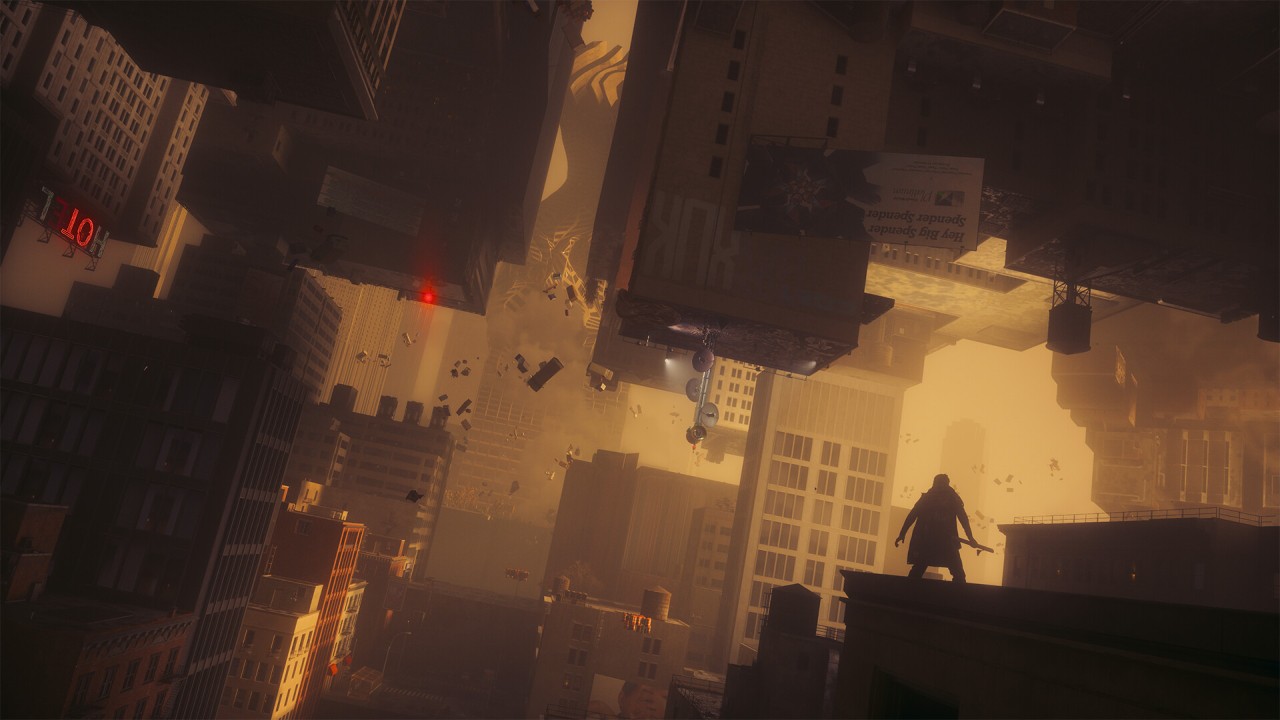
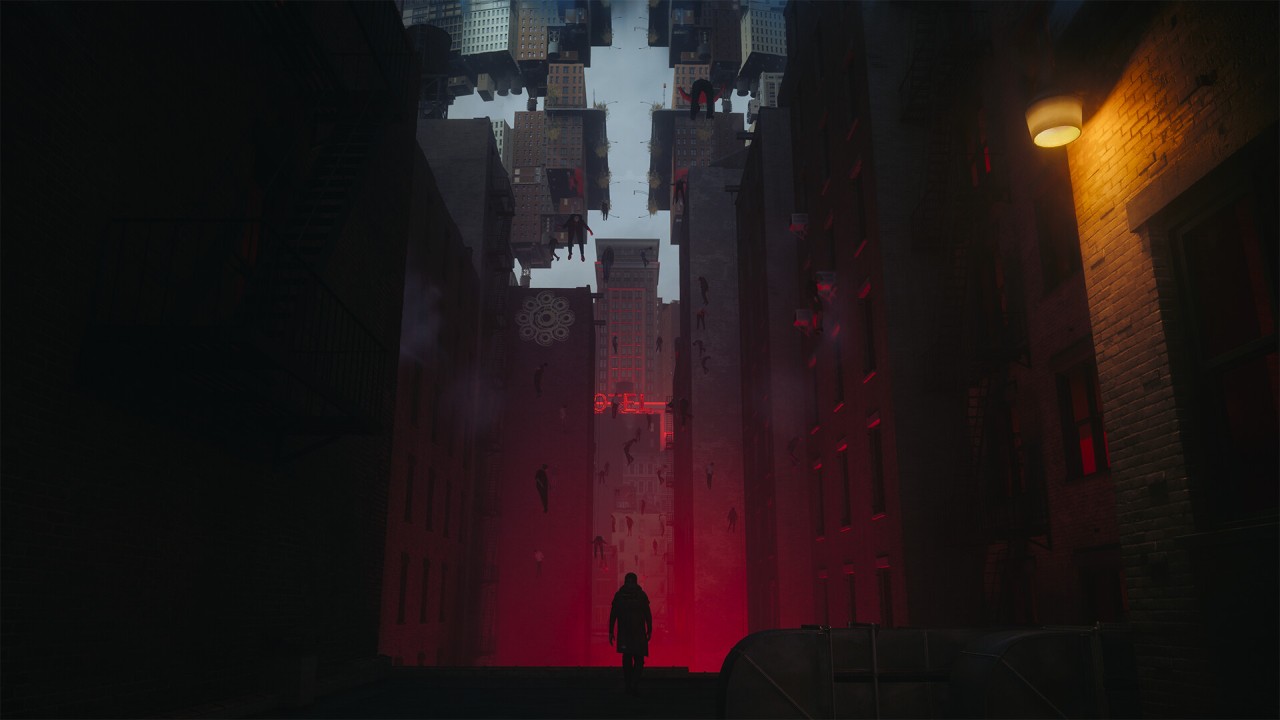
As with most other visual elements found within Resonant, the open-worldish playground that is Manhattan looks beautiful (well, as beautiful as it realistically could given the surrounding Patterning/Hiss-induced chaos). Traversing the city by leaping from one rooftop to another also feels incredibly satisfying and your dash/hover abilities ensure your current destination never feels like a slog to get to, even if it happens to be on the other side of the part of the map (broken up into several districts) you’re actively exploring. I will say that the actual map design can lead to moments of confusion and mild annoyance at the street level, with plenty of inconvenient blockages forcing you to find an alternative route around (or, in most cases, over).
Resonant’s moment-to-moment action is all backed by fantastically trippy sights and sounds...
The world and the activities it has on offer do give off a mild “Ubisoft-lite” feeling, and when you’re not engaging with the primary narrative, you’ll likely be throwing up your map every so often and running from marker to marker - picking up side quests, checking off world events, unlocking fast travel points, activating map-revealing beacons and nabbing collectible crate contents along the way. These world events are nothing to write home about and seem to almost always be combat-focused, which is totally fine given that Resonant’s combat feels great in a hack-and-slash kinda way. Unfortunately, the sheer repetition of this combat system started to hit me considerably sooner than I expected it to.
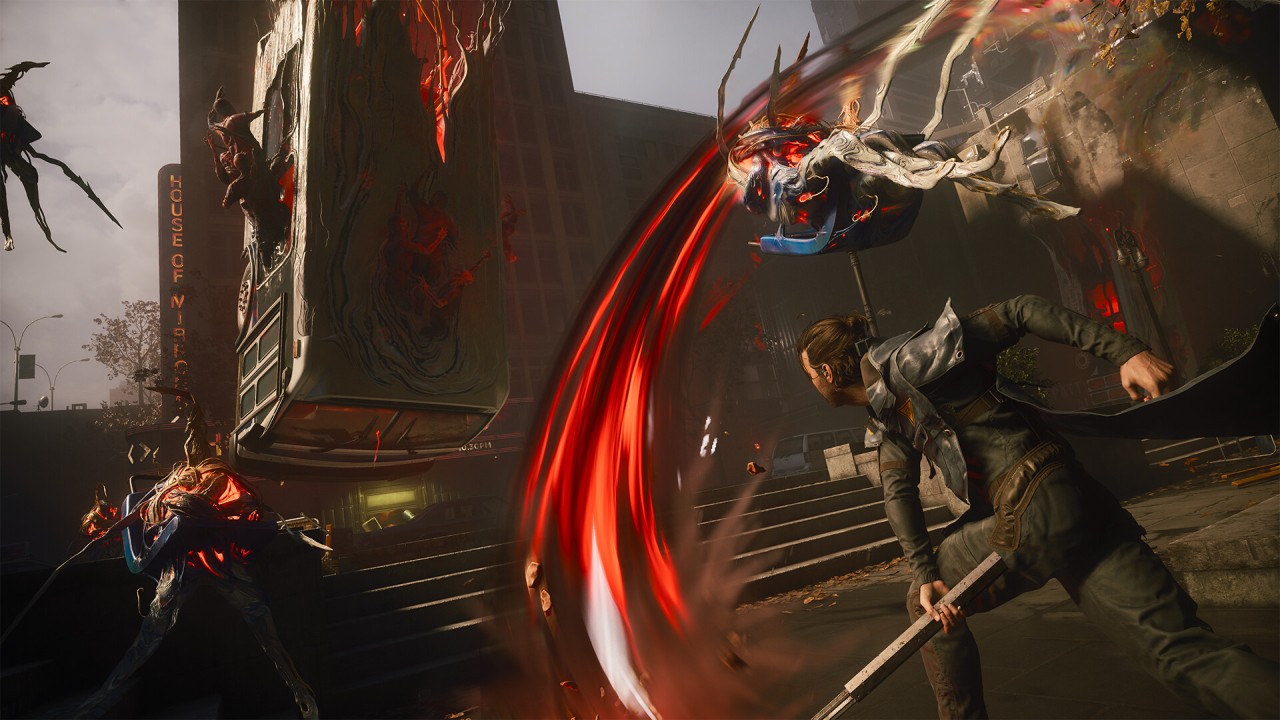
While unlocked multi-form Aberrant weapon upgrades and abilities can make things a bit spicier out there on the battlefield early on, the multitude of combat encounters you’ll end up stumbling into over and over again really do all end up feeling a bit mindless. Sure, there are plenty of challenging combat encounters out there (in a kind of “shove as many enemies into a small space as possible, especially the ranged projectile hurling kind” way, which might irritate some people), but you’ll likely find yourself resorting to good old-fashioned button-mashing and dodge spamming when all is said and done. And more often than not, this is a completely viable technique for wiping out wave after wave of incoming enemies.
To be sure, there’s room for expansion and plenty of upgrades to mess around with, but these never feel like massively essential elements or points for the player to agonise over. Just make sure you don’t neglect the available side content (with zones/areas of the map levelling up as you engage with their respective pools of gameplay) and their associated character improvement benefits and you’ll usually be set for most obstacles thrown your way. Thankfully, and without giving anything away here, there are certainly some amusing and bizarre side quests out there tucked away in the corners of Manhattan worth experiencing amongst the more mundane “go here and kill 15 enemies” spots on the map.
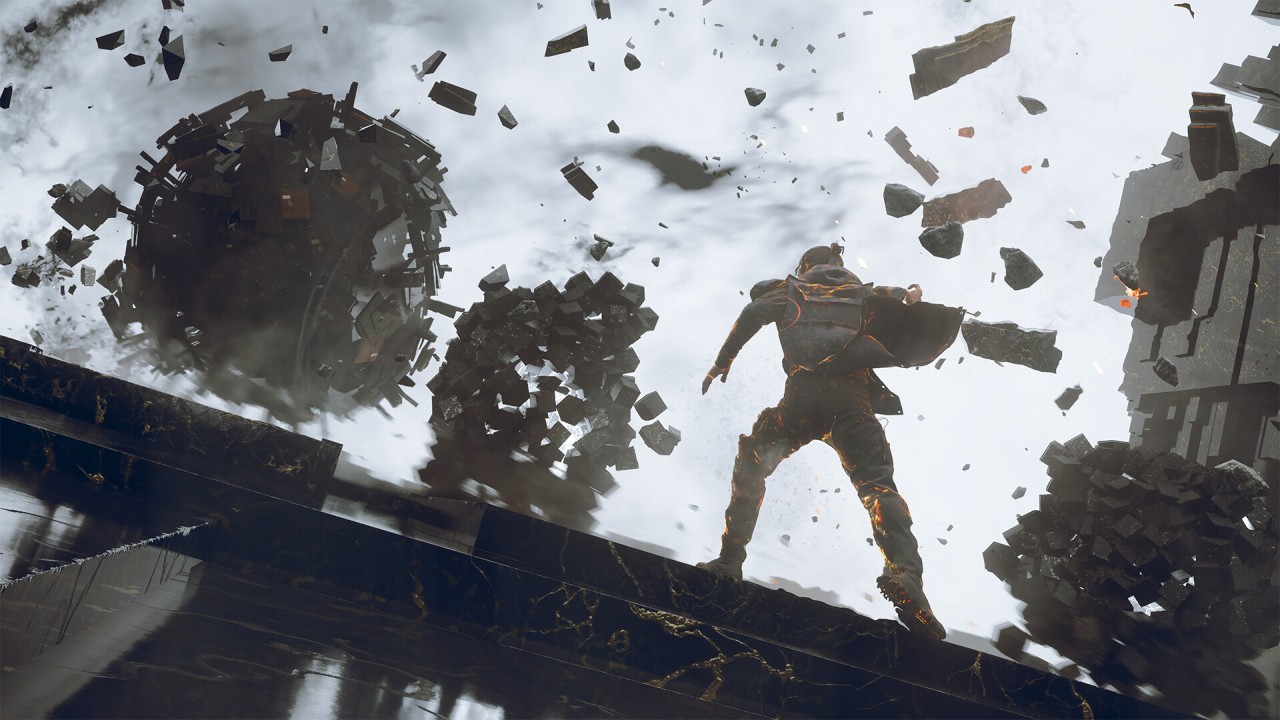
Defeating a Patterning-birthed Resonant boss (infinitely more enjoyable than the regular enemy encounters, featuring some truly memorable accompanying visuals and designs) does reset the aforementioned world events while also refreshing enemy spawns and upping their relative toughness. Dylan also gets to steal a Resonant ability from his downed foe Mega Man-style and incorporate it into his ability lineup/arsenal (imbuing your weapon with togglable burn damage, for example). It’s worth noting here that the intensity of the “tutorial” or introductory sequence boss fight might catch some players off guard, considering its placement within the game’s overall narrative structure doesn’t quite align with the difficulty of the encounter. In the grand scheme of things, it’s not too hard of a battle, but it did initially catch me off guard. Subsequent Resonant fights are also comparatively easier to deal with, puzzlingly.
Thankfully, and without giving anything away here, there are certainly some amusing and bizarre side quests out there tucked away in the corners of Manhattan worth experiencing...
Control Resonant’s performance was a bit all over the place on a setup matching or slightly surpassing the recommended specifications (running on a mix of high, medium and ultra settings), with the frame rate dipping or spiking depending on where I was or what I was doing at the time. Intense sequences of combat were easily the biggest culprits here in the frame-sucking department, while map traversal saw smaller load-in/world streaming stutters, frame rate fluctuations and the occasional bit of shadow pop-in. Indoor locations obviously saw the highest and most stable numbers, with the overall frame rate range (including both exterior and interior areas, inside and outside of combat) running anywhere from just below 60 to well over 110. I did also run into an incident where my frame rate limit setting disabled itself for seemingly no reason whatsoever, which was fixed by adjusting the slider once again.
Another point of mild frustration I had while playing Resonant is the main character himself, Dylan. Or, more specifically, his demeanor outside of combat while taking part in conversations (some of which are contextually triggered while out exploring the map with the ALT key on PC). Here he often comes across as painfully awkward, uninteresting, or even unlikeable. Of course, your mileage may vary in this regard, but almost every other encountered NPC/character of note interested me more than the guy I was supposed to root for – including collaborating FBC agent and handler Zoe De Vera.
Putting aside the questionable semi open-world/multi-zone map approach, repetitive combat, instances of shallow optional content (with the exception of some properly entertaining side quests) and uninteresting protagonist, Control Resonant is still a very solid experience with a story that managed to mostly hold my interest while also delivering on the trademark surreal imagery and events you’d expect from a Control sequel. Newcomers to the world of Control might want to check out the original game first instead of relying on Resonant’s included recap video, however. You’re likely going to end up heading into the game more confused than anything else, otherwise.
PC Review code provided by 505 Games | Control Resonant is available to order on PS5 on Nexus Hub for R1,299


Please login to post comments.
More Reviews
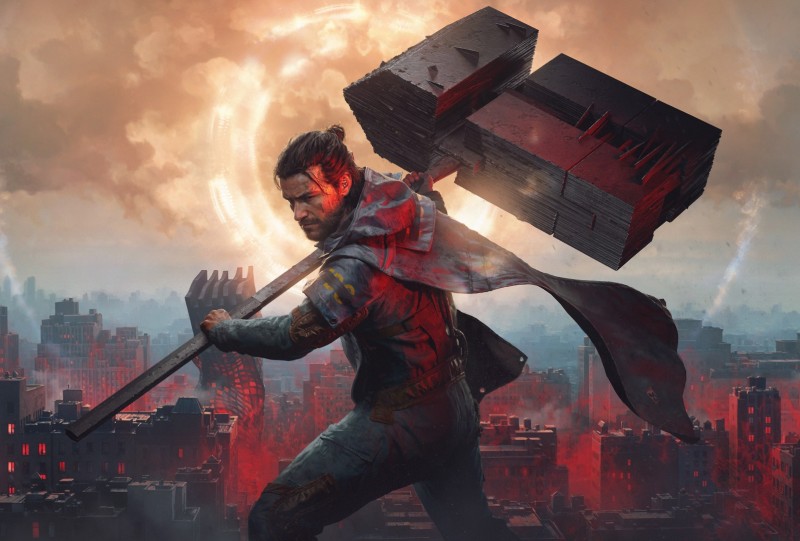
Review: Control Resonant
It’s been seven years since the events of developer Remedy Entertainment’s original 2019 Control title...
02-10-26 Read more

Review: Gears of War: E-Day
Xbox’s flagship Gears of War series has had a bit of an identity crisis over the last decade. After ...
01-10-26 Read more

Review: Gachiakuta
Gachiakuta took the world by storm when it first aired from July to December 2025. With its gritty animation...
28-09-26 Read more

Review: Elden Ring: Tarnished Edition (Switch 2)
What can I say about Elden Ring that hasn’t already been said? From Software’s magnum opus originally...
21-09-26 Read more
Review: The Blood Of Dawnwalker
Rebel Wolves’s The Blood of Dawnwalker has often been compared to The Witcher III: Wild Hunt from fellow...
15-09-26 Read more

Review: Marvel's Wolverine
When I think about some of PlayStation Studios’ most consistent developers, Insomniac Games always ranks...
10-09-26 Read more
Review: Dumb Ways to Build
Originally a public service announcement which discouraged the Australian public from thoughtless activity...
09-09-26 Read more

Review: Orbitals
Booting up Orbitals for the first time, I was immediately hit by a warm wave of nostalgia like the food...
08-09-26 Read more

Review: Onimusha: Way of the Sword
It’s a good year to be a fan of action games, and an even better year to be a fan of Capcom. After delivering...
31-08-26 Read more

Review: Spa Weekend
I was invited to attend an exclusive preview screening of the film Spa Weekend on August 20th at Sandton...
21-08-26 Read more

Overview

Add to cart
Developer
Remedy Entertainment
Publisher
505 Games
Platform
PlayStation 5, Xbox Series
Release date
24 September 2026