Latest Updates
Who's Online

Please sign in to add comments


Cart Contents
| Item: | Price: | Qty: |
|---|---|---|
| Total: R 0.00 | ||
User Content
Latest Poll
Review
Review: The Blood Of Dawnwalker
Blood is thicker than water.

Rebel Wolves’s The Blood of Dawnwalker has often been compared to The Witcher III: Wild Hunt from fellow Polish developers CDPR, but it does enough to differentiate itself with the premise, adaptive plot, skill-driven combat, and time management mechanic. The grim medieval setting, morally dubious outcomes, monstrous creatures, and melancholic atmosphere are indeed evocative of The Witcher. However, how much you enjoy the gameplay loop will depend on if you like the idea of the best parts of The Witcher III mixed with the most tedious parts of recent Far Cry games: think repetitive activities to draw out and kill underlings before going after the central villain.

For me, that growing sense of repetition and the scale of the world needed to support it soon started to grate. Nonetheless, I pushed forward as the prologue captured my attention and (in theory) you can ignore much of the busywork thanks to a dynamic and adaptive storytelling system. Set in the 14th-century, in an isolated vale in the Carpathian Mountains as the Black Death ravages Europe, the opening scene sees protagonist Coen fleeing the local King and his retinue clutching his plagued sister. Before they can slaughter her, a group of Vrakhiri (vampires) arrives to butcher them all. Their leader, Brencis, restores his sister to health by feeding her his blood.
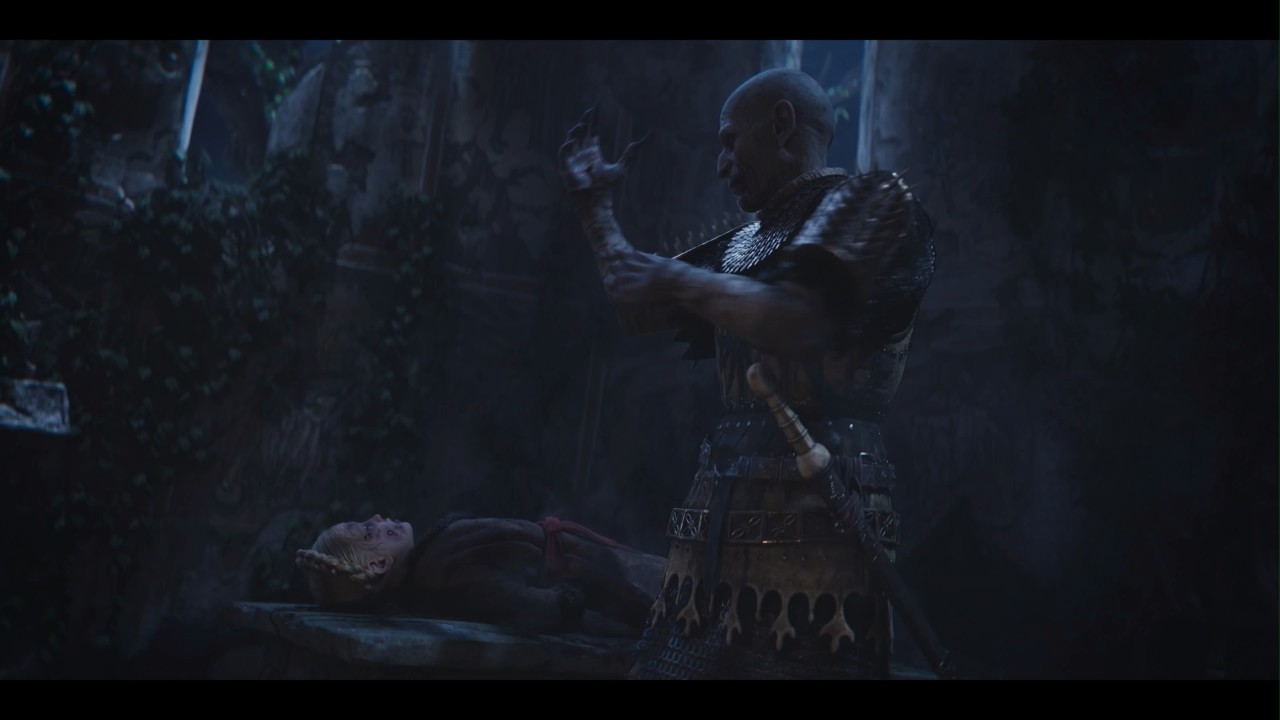
Jump forward two years and a new but equally cruel nobility now control the Vale Sangora. With loyal soldiers and nobility slaughtered, those that survived are either collaborators or part of a struggling resistance group. Villagers are now free of serfdom, tithes, and disease – just so long as they remain well enough able to donate blood to feed their new masters at a weekly mass. With his mother’s mental health failing and his father desperate, Coen joins a resistance plot to retake the local silver mines – a metal capable of killing Vrakhiri – but it ends in disaster. His family is captured and a botched attempt at converting Coen leaves him human by day and Vrakhiri by night.
Nonetheless, I pushed forward as the prologue captured my attention and (in theory) you can ignore much of the busywork thanks to a dynamic and adaptive storytelling system.
The expanding plot draws on real-world mythology and other vampire video games, from the original Blood Omen: Legacy of Kain through to Castlevania: Lords of Shadow (and its underappreciated sequel). Although not as lavishly written and verbose as its peers, quests that focus on Coen’s interactions with a handful of companions, the fledgling resistance, and Brancis’ underlings are a highlight. They take place in unique locations, with great performances, world-building, investigations with light puzzling, tense boss battles, unexpected outcomes, and an opportunity to shape Coen’s motivations. These core quests are on par with the best of The Witcher video games.

The gameplay that stitches together significant story beats is more variable in quality. The prologue is classic as they come and introduces stock RPG mechanics that will be familiar to fans of The Witcher (or any recent big-budget RPG). A map littered with icons and fast-travel points. An ungainly menu and inventory, with too many tabs and lists. Abundant lootable containers (with few useful items) and crafting materials everywhere for preparing potions and salves. A focus ability track clues and highlight items during investigations. NPC dialogue that includes clearly marked progression topics with optional exposition. Maybe “Overfamiliar” would be the better word.
As a result, The Blood of Dawnwalker can feel uninspired at first. A sensation not helped by the fact the best quests are level-gated or, in the case of vampire lords and the resistance, force you to build up notoriety. Thankfully, three mechanics that elevate the experience. The first is the dynamic storytelling system that allows you to tackle major questlines in any order; ignore most of them on the way to challenge Brencis; or inadvertently drain your allies dry should you enter dialogue as a vampire with a sliver of health and insatiable hunger. The consequences are not as drastic or world-altering as you might expect, but future dialogue and encounters reflect your choices well enough.

Next up is the combat. You have classic progression, with gear levels, character upgrades, witchcraft skills by day, and vampiric skills by night, but these are in service of swordplay (or claw-play) that rewards timed and directional blocks, dodges, and counterstrikes. It is a hybrid of Kingdom Come: Deliverance and Batman: Arkham Knight, allowing those with quick reflexes to tackle far stronger foes than the quest log recommends. Once you master the rhythm, battles look and feel incredible. They are better still on “Duelist” difficulty, in which enemy health is lower but their damage output higher, providing tense encounters without the need to whittle down huge health bars.
The Blood of Dawnwalker can feel uninspired at first. A sensation not helped by the fact the best quests are level-gated or, in the case of vampire lords and the resistance, force you to build up notoriety.
Finally, there is the simple but impactful time management mechanic. After the prologue, Coen has thirty in-game days to save his family from an unholy communion (ideally). Every day and night – spent as human and Vrakhiri respectively – are split into eight segments, with quest objectives, activities, and higher-tier upgrades consuming a chunk or three. At all other times, be that exploring, battling random mobs, or fast travelling across the map, time stands still. The mechanic adds weight to your choices and the game is always clear about the cost so you can be strategic. Yes, that means you can’t do everything, but The Blood of Dawnwalker is the better for it.

The reason is that not all “quests” are created equally. If you choose to remove Brencis’ underlings before facing him, you need to enrage them by disrupting their activities in a very Ubisoft-esque fashion: think minor variations of destroying camps and intercepting conveys that support their blood trade. Completing enough will eventually trigger a major quest to confront the Vrakhiri lord and raise your notoriety, but that means hours of repetitive busywork. When you throw in classic padding like monster hunts, shrine gauntlets, and haunted locations, too much playtime devolves into a “go-here, kill-that” routine that needlessly dilutes the overall quality of the game.
Once you master the rhythm, battles look and feel incredible.
To facilitate this semi-optional busywork, the game world feels twice the size it needed to be. The Witcher III has huge maps but each region within them feels distinct, while the paths through them offer striking views and distinctive landmarks. There are a few locations in the Vale Sangora that feel equally handcrafted, particularly in and around the city of Svartrau, but 80% of the valley feels like copy-pasted riverbanks, forests, bogs, mountain passes, and settlements with wood structures and palisades. A player who respects their time will realise there is little reason not to just fast-travel between shrines, undermining the whole point of a vast and continuous world.

The world is, at least, quite attractive with Unreal Engine 5 powering it. Not quite the spectacle larger developers have created but it is detailed, beautifully lit, and complemented by a fantastic and atmospheric soundtrack. Dialogue is often brisk (which I appreciate these days) and the performances excellent, with only some stiff gestures and facial animations standing out. For all The Witcher comparisons, Coen is no Geralt, but you can mould his personality to a degree when choosing his motivations and deciding what costs he’s willing to accept on his crusade. He slowly grew on me but, with the dynamic storytelling mechanic, his personality can feel inconsistent.
Ultimately, The Blood of Dawnwalker is still a great first attempt at creating a much-needed new IP despite the issues I have with the busywork nature of some quests and how they detract from better content. There is fun to be had if you gel with the combat and time management mechanics and appreciate how much better open-world games are when you can't just clear icons mindlessly and without repercussions. This is a busy period for game releases pre GTA VI but, if you enjoyed The Witcher III or other RPGs with adaptive and divergent storylines, and you fancy yourself skilled at real-time directional combat, keep The Blood of Dawnwalker on your radar.
PS5 Review code provided by Bandai Namco | The Blood of Dawnwalker is available to purchase at Nexus Hub for R1,599


There are 1 comments
 Blaze
Blaze
Please login to post comments.
More Reviews
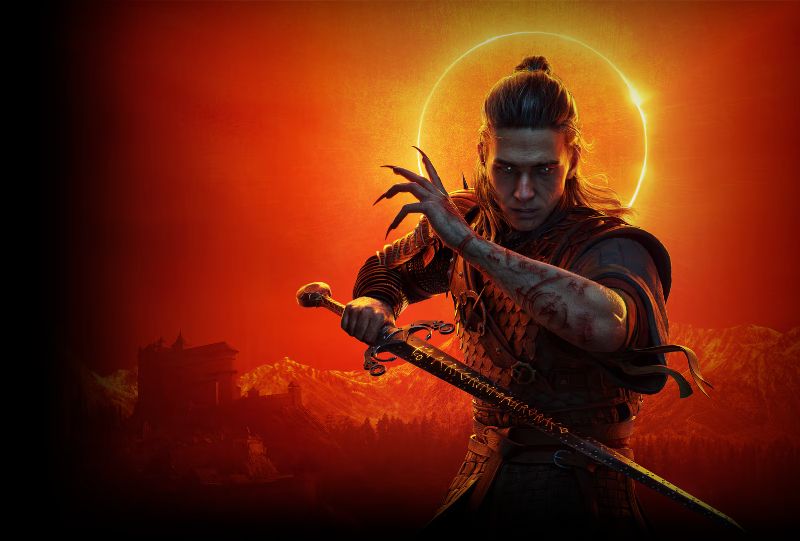
Review: The Blood Of Dawnwalker
Rebel Wolves’s The Blood of Dawnwalker has often been compared to The Witcher III: Wild Hunt from fellow...
15-09-26 Read more

Review: Marvel's Wolverine
When I think about some of PlayStation Studios’ most consistent developers, Insomniac Games always ranks...
10-09-26 Read more

Review: Dumb Ways to Build
Originally a public service announcement which discouraged the Australian public from thoughtless activity...
09-09-26 Read more

Review: Orbitals
Booting up Orbitals for the first time, I was immediately hit by a warm wave of nostalgia like the food...
08-09-26 Read more

Review: Onimusha: Way of the Sword
It’s a good year to be a fan of action games, and an even better year to be a fan of Capcom. After delivering...
31-08-26 Read more

Review: Spa Weekend
I was invited to attend an exclusive preview screening of the film Spa Weekend on August 20th at Sandton...
21-08-26 Read more
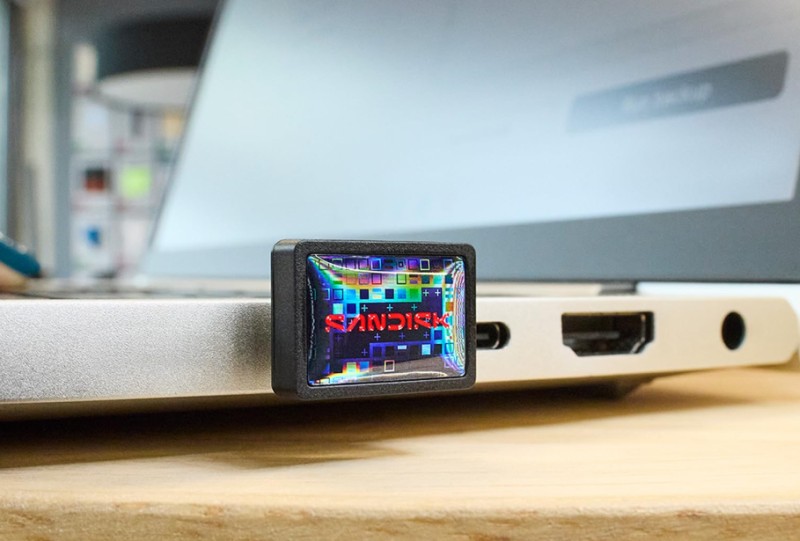
Review: SanDisk Extreme Fit USB-C Flash Drive (128GB)
The SANDISK Extreme Fit USB-C™ Flash Drive - 128GB is something that you might not even believe exists...
21-08-26 Read more
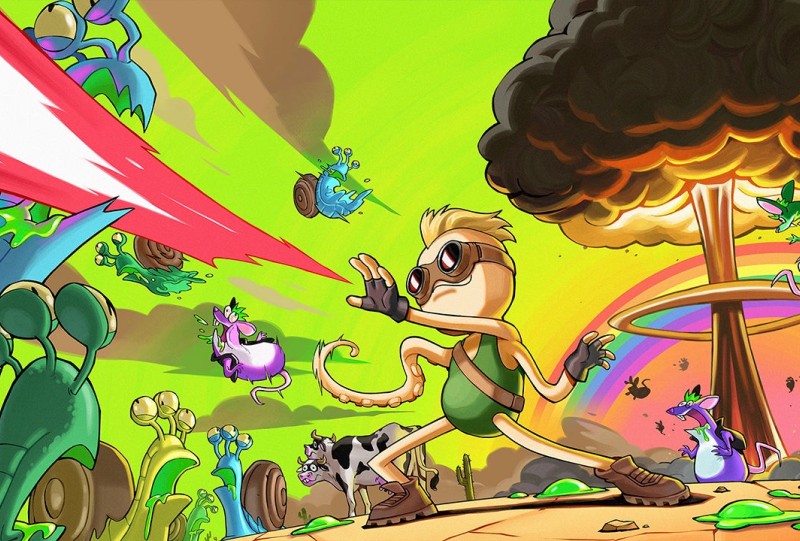
Review: Ground Zero Hero
It’s not often that a game comes around with the ability to grip you into a mindless cycle of absolute...
19-08-26 Read more

Review: Marvel Tokon: Fighting Souls
You know, if anybody was going to make a Marvel themed arcade fighting game in 2026, I’m glad Arc System...
18-08-26 Read more

Review: Mortal Shell 2
With the boom of Soulslike games, developers now have to find interesting ways to mix up the formula...
17-08-26 Read more

Overview

Add to cart
Developer
Rebel Wolves
Publisher
Bandai Namco Entertainment
Platform
PlayStation 5, Xbox Series
Release date
2 September 2026