Latest Updates
Who's Online

Please sign in to add comments

 it seems too coincidental that you have the exact same name xD

Cart Contents
| Item: | Price: | Qty: |
|---|---|---|
| Total: R 0.00 | ||
User Content
Latest Poll
Review
The Evil Within 2
A new frontier for survival horror

Horror sequels in video games can often be hit or miss. Either they build upon what made their predecessor great, or try to throw in something unique for the series. Shinji Mikami’s The Evil Within 2 falls somewhere in between that, capitalizing on the same terrifying intensity and gratifying sense of accomplishment of the first game, while switching things up with a few welcomed gameplay additions and mechanics. The Evil Within 2 never succeeds in being a true next step forward for the franchise, but it does try its hand at being a very different, but familiar, experience. The results are pretty solid, for the most part.
The Evil Within 2 takes place some time after the events of the first game. Rusty detective Sebastian Castellanos is approached by a shady corporation called Mobius that claims to have his long thought to be dead daughter, Lily, inside a virtual simulation where she is being held captive. Sebastian enters the simulated town of Union with the goal of saving her but quickly discovers that it has been overrun by hordes of mutated creatures. Eager to find Lily, Sebastian powers through the nightmare realm of Union.

The Evil Within 2 notably does a lot of things differently from its predecessor. The biggest change is that the game strips away most of its linearity in favour of a sandbox/mini-open world in the town of Union. While you occasionally slip into some superb, linear nightmare sequences, you’ll be scavenging the world for crafting parts and gears to upgrade your weapons and skills most of the time. This level of freedom does come at the expense of a more potent horror experience, though, as it lacks any creative punch that the first games’ extraordinary corridor sequences or interconnected world had.
While the main quests are relatively long-winded, providing around 15-hours of playtime, the inclusion of side quests littered across Union offers some benefits but always feel like they're intentionally padding out your playtime. The side quests are baffling too, as while most of them can be ignored for the main quests, some offer key weapons and items that play a pivotal part in the progression of the main story. The game never explicitly tells you when or how these components fit into the main quests, so I always felt the need to cover every single “optional” side quest in fear of missing something important. By the end of the game, I realised that most of it was ultimately uninteresting and dull.
In terms of protagonists and antagonists, The Evil Within 2 is a mixed bag. Sebastian is somehow even more of a ditz this time around, with the personality of a plank to match his enthusiasm and surprise (or lack thereof) throughout his predicaments. He approaches most horrifying enemy encounters with all the conviction of a bored mailman. It’s hard to get behind someone who never really expresses human emotion in the face of sheer terror, but after the events at Beacon Mental Hospital, can anyone really blame him? The side characters aren’t anything to write home about either. Most of them are painfully wooden and come off as B-grade horror actors, but they mostly serve their purpose in being the people who point Sebastian in the right direction before becoming fast food for the monsters.

The gameplay is where The Evil Within 2 shines. The sandbox style of play that allows you to take your time through the story is a welcomed new addition as it provides players with enough freedom to tackle the narrative at their own pace, and allow you to suitably prepare for some of the challenging combat sections. The story will often slip Sebastian into a hazy nightmare like the first game, but it feels a lot more visceral and suspenseful here. This is mostly thanks to Tango Gameworks’ excellent attention to detail and stellar lighting that creates a stunningly foreboding atmosphere. It elevates the scares and keeps you on your toes throughout. However, when the game jumps back to Union, I found myself begging to be taken back into the more linear quests as it felt like most of the developer's passion was invested there.
Thankfully, the second half of the game is absolutely incredible and was what I expected from the beginning. The first half is much slower paced as it gives us the opportunity to grasp all the little details of the gameplay and mechanics, but also intentionally crawls at a snails pace for the story to build up some suspense. In the second half, the gloves come off and this is where the game hits the hardest, moving along at a relentless pace. The horror is unforgiving, the boss battles are amazing and quite creative, and the nightmare sequences are expertly crafted. Unfortunately, getting there is a bit of a grind.
From a technical standpoint, Tango Gameworks does a commendable job at consistent graphical fidelity. The Evil Within 2 looks incredible; the simulated town of Union is breathtaking upon first glance. The dream-like floating structures and fractured city blocks above the town make the world truly feel like an unending nightmare. While the explorable area of Union that is available to you is a bit lacklustre, it’s always nice to stop for a minute and let the immense background visuals soak in. Character models are detailed and expressive, even if Sebastian’s stoic, “I’m a few shots short of wasted” face can be a bit off-putting at times. The soundtrack by Masatoshi Yanagi is another great example of horror gaming utilizing an effective score to add to the scare factor. It kicks in at all the right moments and never stops beating your ears until success is met.

The Evil Within 2 will probably please horror gaming enthusiasts hoping for a refreshing new, more freeform approach to survival horror, but fans of Shinji Mikami’s first triumphant game might leave underwhelmed. It doesn’t have the same tonal consistency of the first game, but it makes up for it with a sandbox world that demands to be explored, and a second half that even matched that same exhilaration felt while playing Resident Evil 4. When it works, it’s a masterfully potent action/horror experience, but I couldn’t help but feel like a few things were missing from this otherwise solid sequel.


Please login to post comments.
More Reviews
Review: The Blood Of Dawnwalker
Rebel Wolves’s The Blood of Dawnwalker has often been compared to The Witcher III: Wild Hunt from fellow...
15-09-26 Read more
Review: Marvel's Wolverine
When I think about some of PlayStation Studios’ most consistent developers, Insomniac Games always ranks...
10-09-26 Read more
Review: Dumb Ways to Build
Originally a public service announcement which discouraged the Australian public from thoughtless activity...
09-09-26 Read more
Review: Orbitals
Booting up Orbitals for the first time, I was immediately hit by a warm wave of nostalgia like the food...
08-09-26 Read more

Review: Onimusha: Way of the Sword
It’s a good year to be a fan of action games, and an even better year to be a fan of Capcom. After delivering...
31-08-26 Read more

Review: Spa Weekend
I was invited to attend an exclusive preview screening of the film Spa Weekend on August 20th at Sandton...
21-08-26 Read more
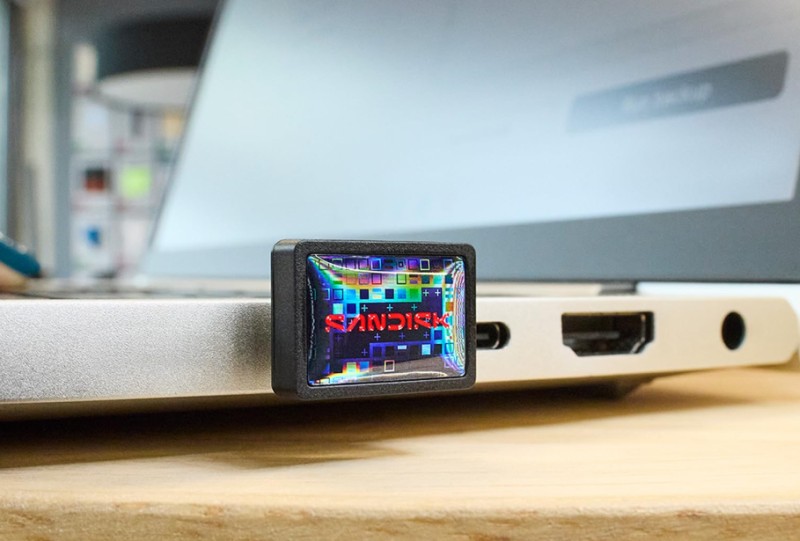
Review: SanDisk Extreme Fit USB-C Flash Drive (128GB)
The SANDISK Extreme Fit USB-C™ Flash Drive - 128GB is something that you might not even believe exists...
21-08-26 Read more
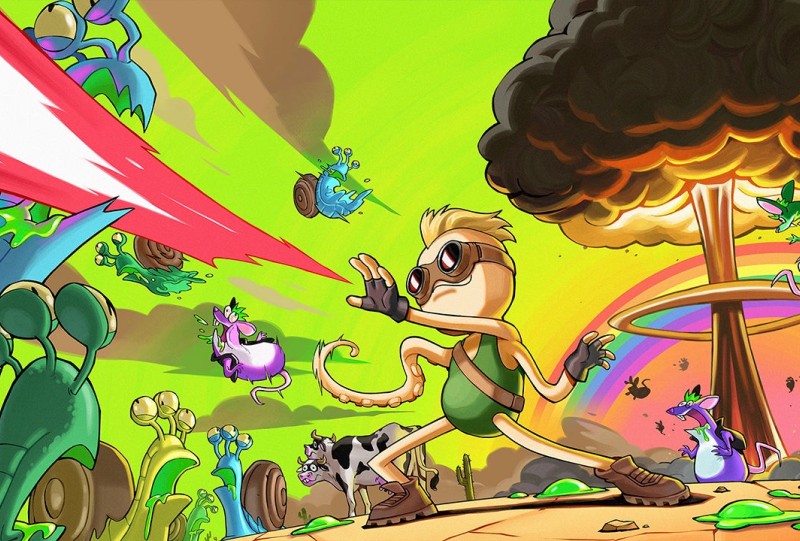
Review: Ground Zero Hero
It’s not often that a game comes around with the ability to grip you into a mindless cycle of absolute...
19-08-26 Read more

Review: Marvel Tokon: Fighting Souls
You know, if anybody was going to make a Marvel themed arcade fighting game in 2026, I’m glad Arc System...
18-08-26 Read more

Review: Mortal Shell 2
With the boom of Soulslike games, developers now have to find interesting ways to mix up the formula...
17-08-26 Read more

Overview

Add to cart
Developer
Tango Gameworks
Publisher
Bethesda Softworks
Platform
PlayStation 4
Release date
13 October 2017