Latest Updates
Who's Online

Please sign in to add comments

Cart Contents
| Item: | Price: | Qty: |
|---|---|---|
| Total: R 0.00 | ||
User Content
Latest Poll
Review
Review: Resident Evil Requiem
Requiem for a scream.

A requiem is described as a Mass for the souls for the dead, or an act of remembrance. In a way, this symbolically encapsulates the internal and external story being told in Resident Evil Requiem, the ninth main instalment in Capcom’s influential survival horror saga. It serves as a celebration and significant milestone of the series’ three decades in gaming, but more importantly, it’s a merger of Resident Evil’s past, present and potential future – a thrilling, often terrifying, and bittersweet greatest hits collection wrapped in the package of a new modern title.
Note: This review is completely spoiler-free.
Resident Evil Requiem puts players in the shoes of the young FBI intelligence analyst Grace Ashcroft, daughter of legacy character Alyssa Ashcroft. Grace is tasked with investigating the decrepit Wrenwood Hotel nearby, which was the site of a deadly incident years ago and continues to be the site of several mysterious murders happening today. Driven by personal trauma, Grace’s investigation into Wrenwood is thwarted when she’s suddenly kidnapped and taken to the Rhodes Hill Chronic Care Centre. Meanwhile, DSO agent Leon S. Kennedy is conducting his own investigation into the recent deaths of several Raccoon City survivors.

As far as the series protagonists go, Grace is fine, if a little jarring due to her timid, shy personality. She’s a more defined character than Ethan Winters was in Resident Evil 7, but for plot reasons, she never truly shines or grows into a compelling hero type we’ve seen this series pull off well with other main characters like Jill Valentine or Leon himself in Resident Evil 2. Even Ethan embodied the average dude you can’t help but root for at the end of 7. Grace is never given that same attention and growth, largely overshadowed by Leon’s presence and fanfare in the campaign. To give Capcom the benefit of the doubt, I’d love to see Grace get more of the spotlight in a follow-up because she’s an interesting addition to the franchise in more ways than one.
As far as the series protagonists go, Grace is fine, if a little jarring due to her timid, shy personality.
Resident Evil Requiem, as mentioned before, plays out like a greatest hits collection of the franchise. Through Grace’s perspective and gameplay, it delivers the trademark puzzle-solving, claustrophobic tension and visceral survival horror elements from the original games (as well as Resident Evil 7: Biohazard and Village). Through Leon’s perspective and gameplay, it brings the action-packed, faster pace of Resident Evil 4 through 6 (and the Remakes, to some degree). The story frequently switches between Grace and Leon throughout the campaign. Capcom wisely recommends playing with Grace in first-person and Leon in third-person but you’re free to choose whatever works for you. That said, the recommended perspectives work to elevate each character’s style of gameplay because they’re vastly different experiences.
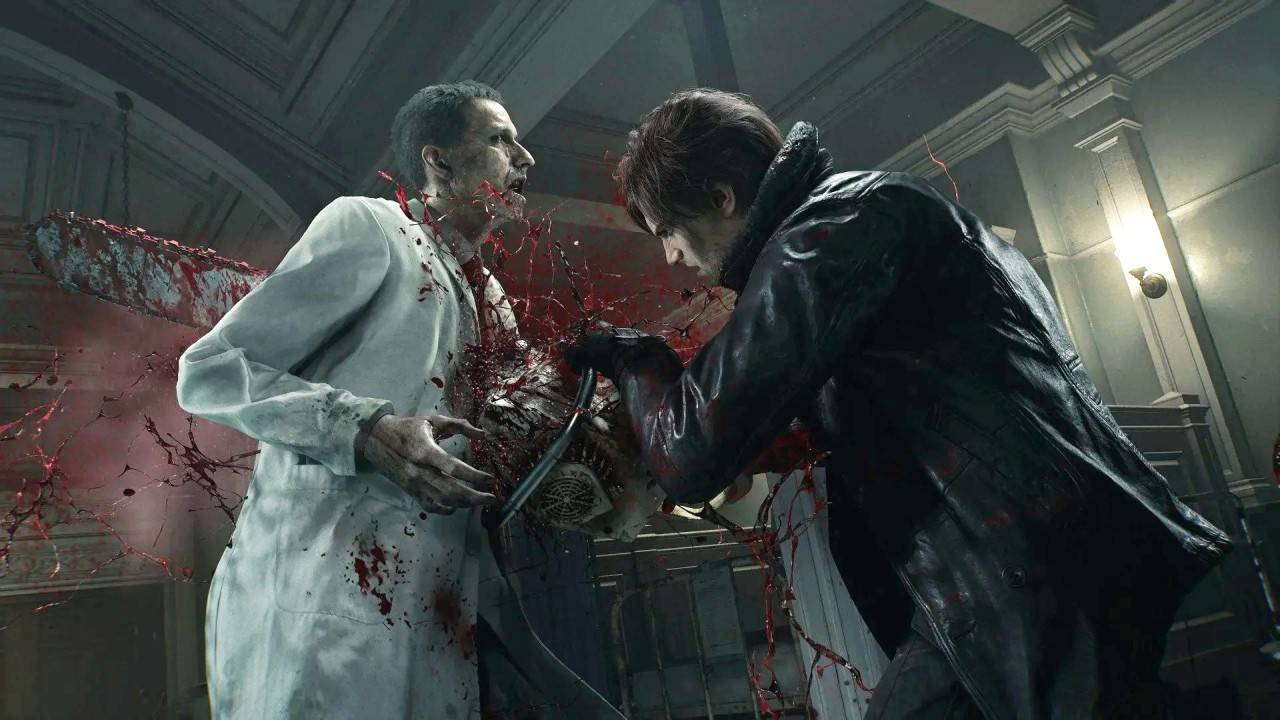
It almost feels like Resident Evil Requiem started development as two different games before being moulded into a single entity. Director Koshi Nakanishi had an immense juggling act to perform, and to my surprise, he executes it nearly flawlessly. It would be very easy to make those gameplay switch-ups jarring. However, Requiem trusts that fans are already intimately familiar with both styles of gameplay – for newcomers, though; it doesn’t seem out-of-place. As soon as the story changes perspectives to either Grace or Leon, your brain automatically recalibrates to the gameplay because those first initial, crucial hours carefully establish each character’s strengths and weaknesses really well.
Grace, for example, is all wits. She carries a standard handgun, so she’s greatly disadvantaged when it comes to direct combat with the reanimated corpses of Rhodes Hill. Instead, she has a bunch of tools at her disposal that make her far more effective at stealth, quietly neutralising enemies, or sneaking around to find optimal paths and shortcuts. Rhodes Hill itself is pretty standard fare for the series - a labyrinthine building designed by architects who were clearly fans of the illogical corridors and puzzle doors of Spencer’s mansion and the RPD.
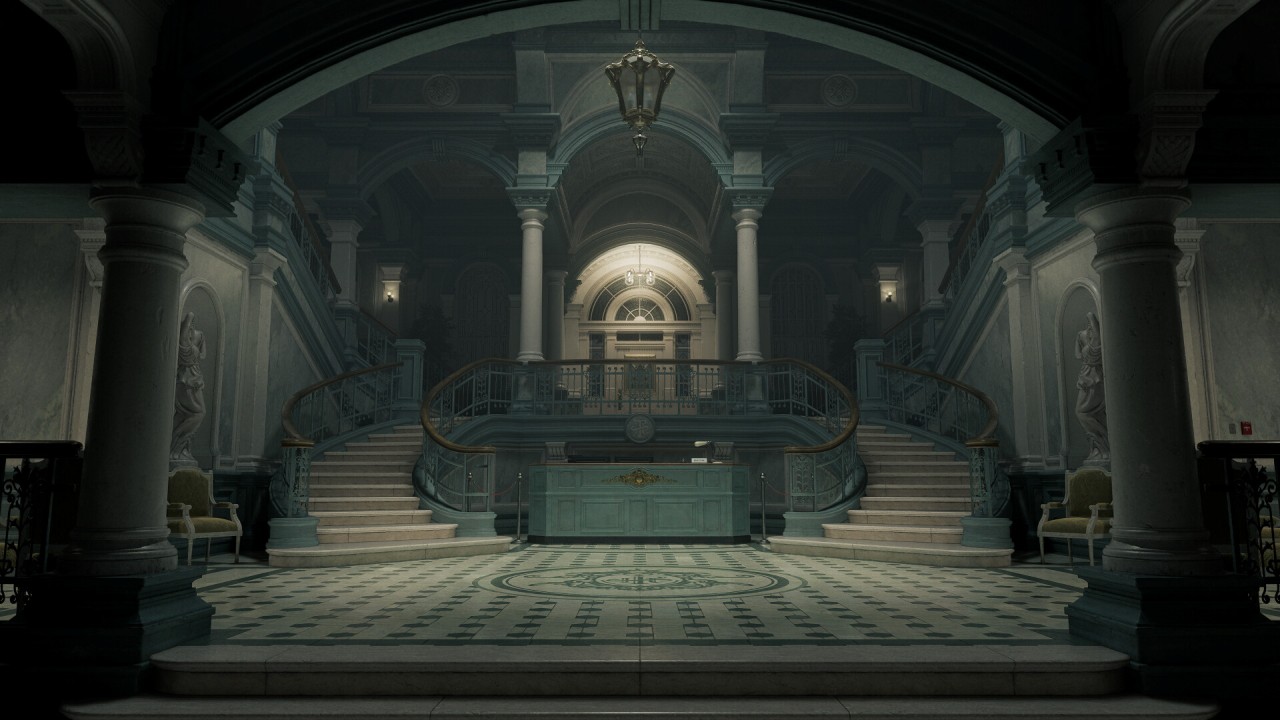
Grace’s gameplay is a familiar rhythm – it’s much more attuned to the “survival horror” label of Requiem. For Resident Evil, that usually involves plenty of backtracking, obsessive inventory management, gravely limited supplies, mentally mapping out locations, opening safes, collecting cards and keys, and solving bizarre puzzles to unlock doors so you can solve whatever bizarre puzzle is in the next room. Grace is a good shot but she’s no Leon, so you’ll often find yourself pinching bullets and momentarily pushing enemies over (oh, the mild inconvenience!) to run around and get things done. Unsurprisingly, these were the parts of Requiem that I loved the most and it’s the reason why 7 and Village worked so well to revive the series and bring it back to its roots.
Rhodes Hill itself is pretty standard fare for the series - a labyrinthine building designed by architects who were clearly fans of the illogical corridors and puzzle doors of Spencer’s mansion and the RPD.
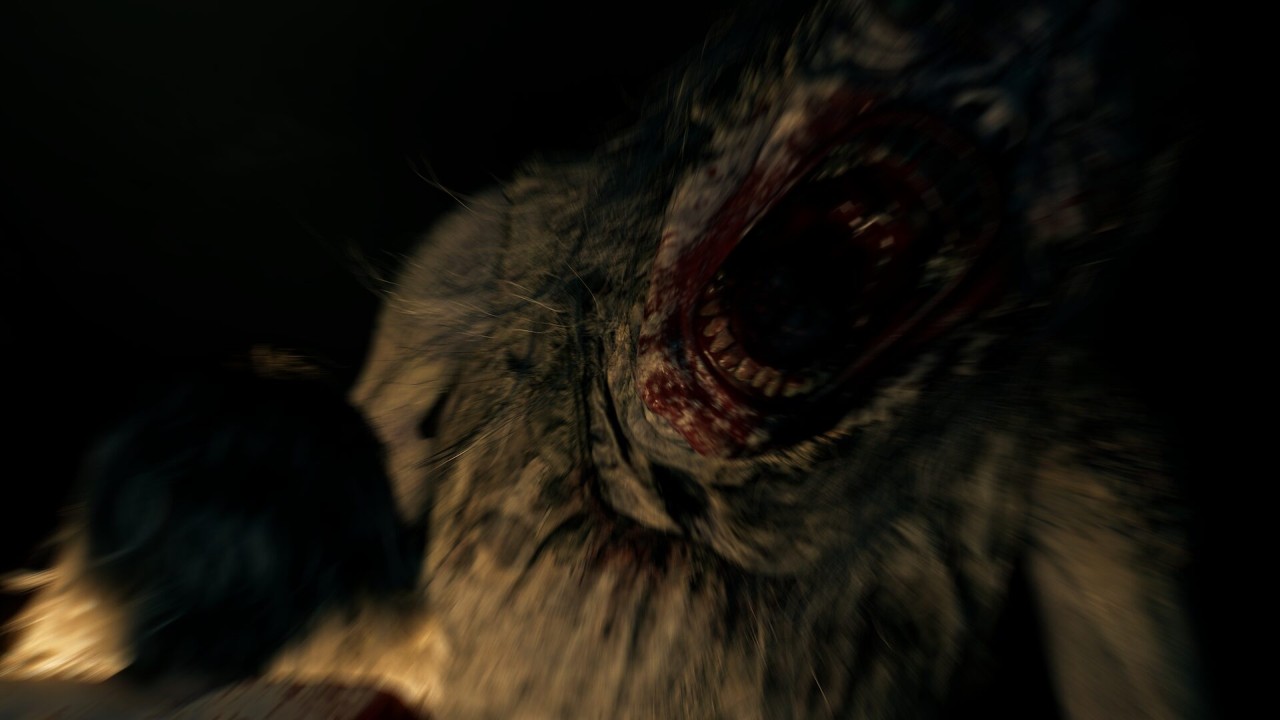
Capcom takes the stalker elements from past games (Mr. X in Resident Evil 2 or Lady Dimitrescu in Village, for example) and does something – or rather, a few things – really interesting with them that I won’t mention here to maintain the surprise. Basically, the developers cooked up a batch of lurking pursuers that made my skin crawl and stretched the horror aspects to alarmingly frightening lengths at times. Not since House Beneviento in Resident Evil Village have I ever been this on the edge of my seat, eyes glued to the dark corners with every step taken.
When the gameplay switches over to Leon, the power fantasy takes over. Leon is equipped with an arsenal of guns, explosives, knives, and axes like Simon Pegg at the end of Hot Fuzz. Of course, you don’t have access to every weapon yet as you’ll have to gradually unlock or discover them in the environment, but everything you do have at your disposal – including the trusty Chuck Norris roundhouse kick - at any given point is more than enough to deal with the horror head-on. Fortunately, Capcom keeps the resources somewhat low so Leon isn’t a tornado of bullets and death all the time.
When you’re backed into a corner or mobbed, enemies can very easily overwhelm Leon and grab him to take massive chunks of health with a bloody bite. Capcom makes a few smart design decisions (or rather, retractions) so that the gameplay remains tense and never feels overwhelmingly action-heavy like Resident Evil 6. If you want a fair comparison, I’d say the action output is about on-par with Resident Evil 3’s remake.
Resident Evil Requiem is split in half in terms of each playable character’s relevance and playtime. The first half heavily focuses on Grace while the second half is mostly on Leon, with few moments where it might switch perspectives if the narrative calls for it. You get a pretty good balance of gameplay experiences – again, it wasn’t an easy trick for Nakanishi and company to pull off, and I don’t envy them. However, I will say that at a point, playing as Leon was so much fun, I almost felt sad that I had to switch back to Grace and not have the arsenal of a small military force on hand (along with Leon’s countless one-liners).
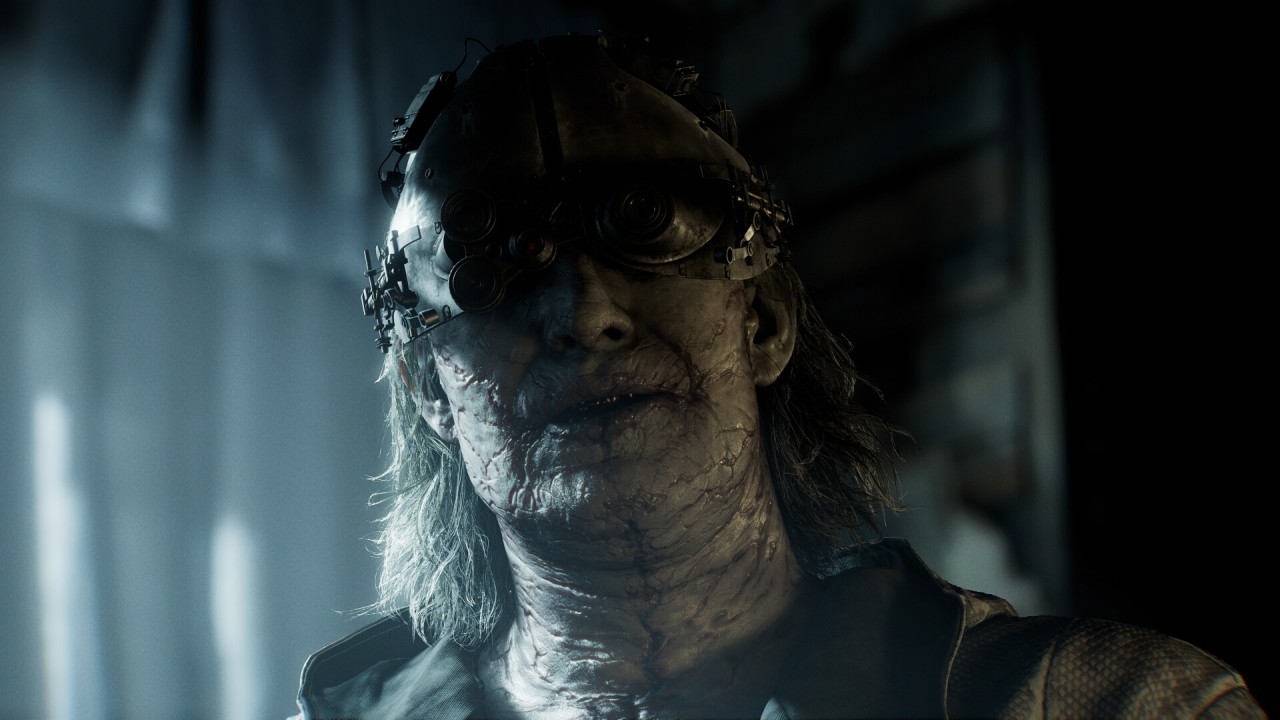
Requiem’s real problems begin to surface the more you progress. Nostalgia and well-placed fan service can often be used to great effect when done right, but Requiem uses it a bit too loosely, especially in the game’s second half. I’m not going to mention any specifics but there were plenty of moments that made my inner Resident Evil fan giddy, but added nothing to the narrative. Sometimes, it felt like certain familiar locations or events were building up to an exciting crescendo that went nowhere. Admittedly, it’s a really fun trip down memory lane that gives the “Requiem” subtitle its weight and gravitas – I just wish Capcom did something more inventive with its treasured past.
Nostalgia and well-placed fan service can often be used to great effect when done right, but Requiem uses it a bit too loosely, especially in the game’s second half.
The final issue (that I imagine will be a very hot topic in the fandom) is the narrative. Resident Evil 7 and Village, to an extent, featured more tamed stories for Resident Evil games. Yes, we still had outbursts of goofiness (remember mech-Heisenberg?) but they were generally taken far more seriously with a darker tone than previous entries. Requiem’s story, on the other hand, is batsh*t insane - I’m not even sure if I mean that as a compliment or not. It’s reminiscent of games like Code Veronica and 6 where suspension of disbelief isn’t a choice, it’s a damn requirement if you want to get on its wave length and enjoy the ride. Requiem has those moments in spades, especially in its second half. If you’ve been a fan of Resident Evil for this long, you probably won’t see this as an “issue” per se. A weak central villain also doesn't help its case.
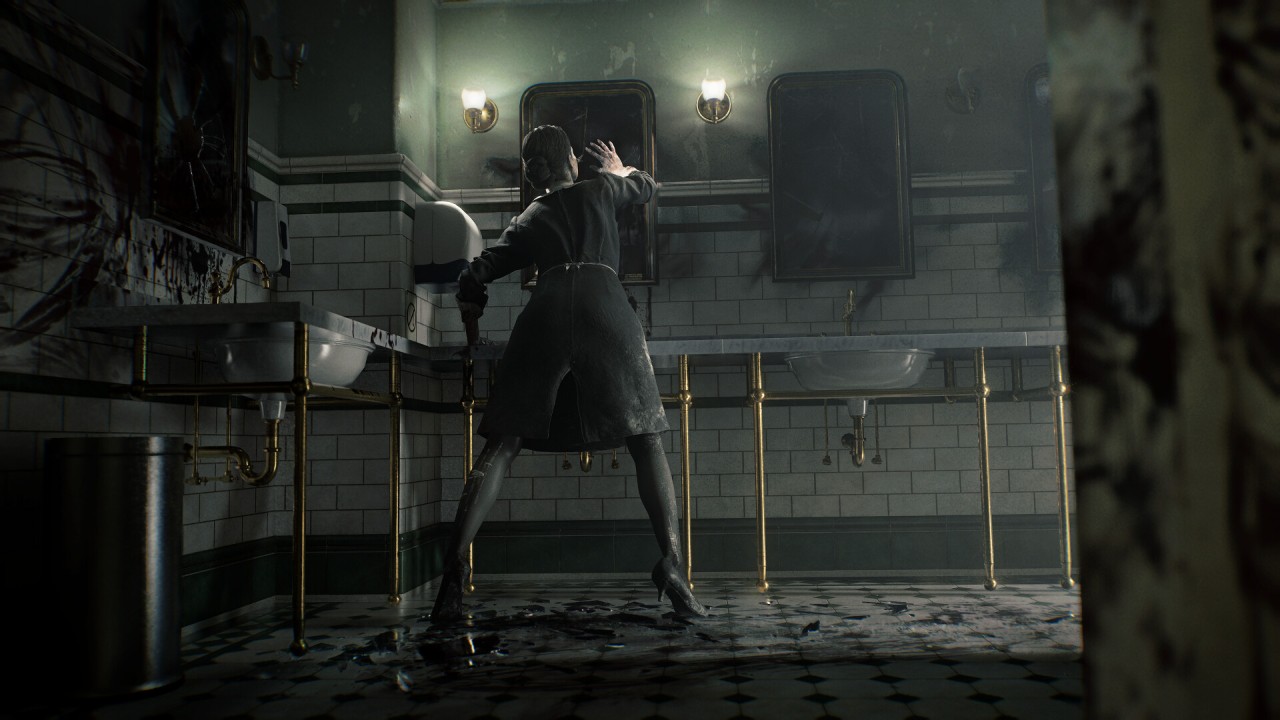
Moving onto the performance, I reviewed Resident Evil Requiem on PS5 Pro with ray tracing enabled. It had no problem hitting 60FPS and staying rock-steady the entire time. The star of the show is unquestionably Capcom’s proprietary RE Engine, which has been honed and perfected from experience (as long as we’re not talking about Dragon’s Dogma 2 or Monster Hunter Wilds, that is). Character models are incredibly detailed; especially Leon’s whose rough, aged facial features, skin texture and stubble look fantastic.
Environments look almost photorealistic with a staggering amount of detail given to Rhodes Hill’s dark corridors and blood-splattered, creaky windows and walls. After the 1.1 update which Capcom urged reviewers to install before playing, I encountered no serious performance issues whatsoever. It’s magnificently polished on PS5 Pro, but unfortunately I can’t speak for the Nintendo Switch 2 or PC versions.

Resident Evil Requiem is a celebration of the Resident Evil franchise as a whole – a greatest hits collection of everything that made the franchise what it is today, including some of its more outlandish, goofier elements that may not go down easily off the heels of the darker-themed Resident Evil 7 and Village. I don’t think it hits the same creative or genre-pushing highs as its two aforementioned predecessors. But it is a wildly entertaining ride that reminds me why I hold this survival horror series in such high regard, flaws and all.
PS5 Review code provided by Capcom | Resident Evil Requiem launches on 27 February 2026, pre-orders now available at Nexus Hub


Please login to post comments.
More Reviews
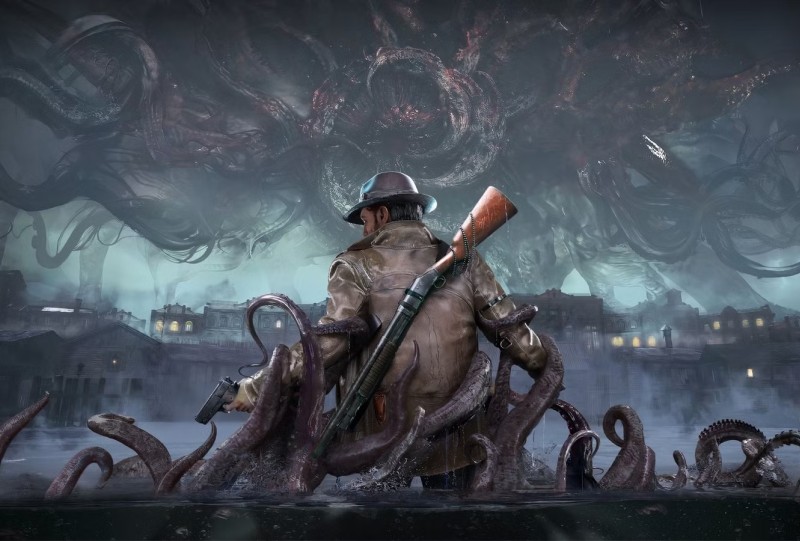
Review: The Sinking City 2
The Sinking City 2, from Ukrainian developer Frogwares, is less of a sequel than it is a Lovecraftian...
12-10-26 Read more

Review: Fire Emblem: Fortune's Weave
It’s legitimately very hard to believe that it’s been seven whole years since Fire Emblem: Three Houses...
05-10-26 Read more
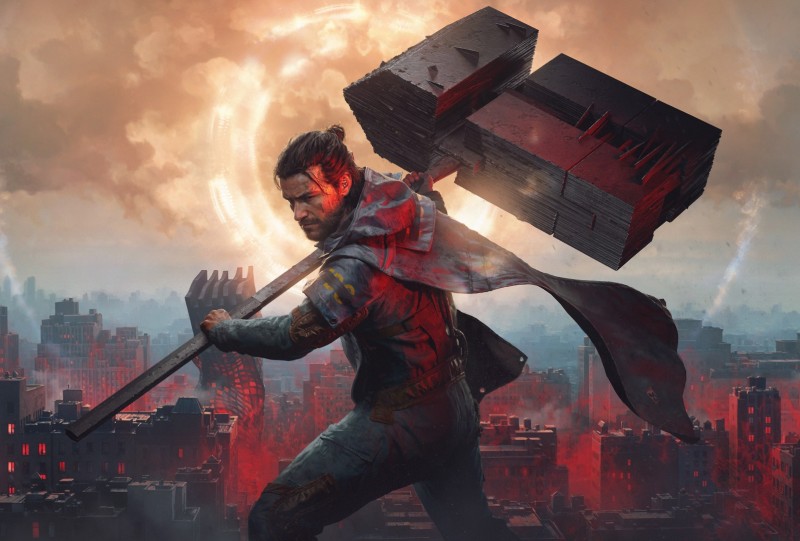
Review: Control Resonant
It’s been seven years since the events of developer Remedy Entertainment’s original 2019 Control title...
02-10-26 Read more

Review: Gears of War: E-Day
Xbox’s flagship Gears of War series has had a bit of an identity crisis over the last decade. After ...
01-10-26 Read more

Review: Gachiakuta
Gachiakuta took the world by storm when it first aired from July to December 2025. With its gritty animation...
28-09-26 Read more

Review: Elden Ring: Tarnished Edition (Switch 2)
What can I say about Elden Ring that hasn’t already been said? From Software’s magnum opus originally...
21-09-26 Read more
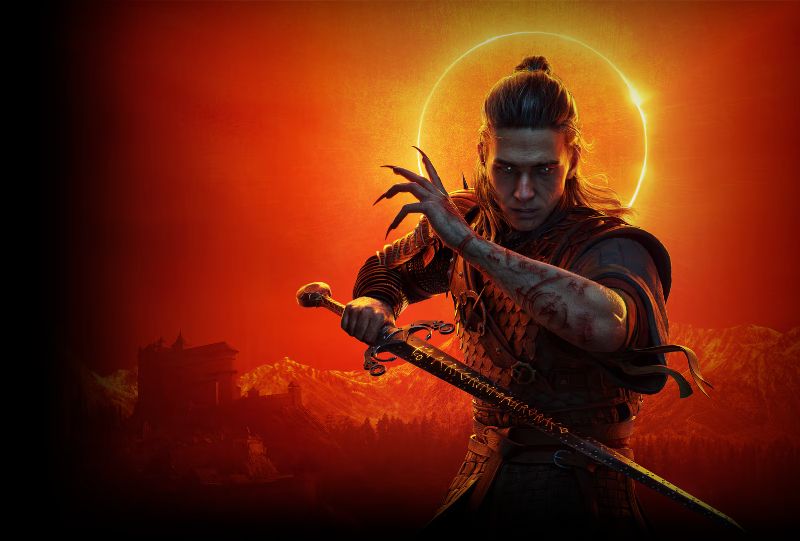
Review: The Blood Of Dawnwalker
Rebel Wolves’s The Blood of Dawnwalker has often been compared to The Witcher III: Wild Hunt from fellow...
15-09-26 Read more

Review: Marvel's Wolverine
When I think about some of PlayStation Studios’ most consistent developers, Insomniac Games always ranks...
10-09-26 Read more

Review: Dumb Ways to Build
Originally a public service announcement which discouraged the Australian public from thoughtless activity...
09-09-26 Read more

Review: Orbitals
Booting up Orbitals for the first time, I was immediately hit by a warm wave of nostalgia like the food...
08-09-26 Read more

Overview

Add to cart
Developer
Capcom
Publisher
Capcom
Platform
PC, PlayStation 5, Xbox Series
Release date
27 February 2026