Latest Updates
Who's Online

Please sign in to add comments


Cart Contents
| Item: | Price: | Qty: |
|---|---|---|
| Total: R 0.00 | ||
User Content
Latest Poll
Review
Review: Far Cry 6
Don't cry for me Yara.

In the opening hours of every Far Cry game since the third, our main character has come into direct contact with the antagonist, usually in a violent confrontation that establishes their persona. This is important for a few reasons: it immediately sets the stakes, lets you know what you'll eventually be up against, and more importantly, sets the right mood. When we meet Far Cry 6's main villain, Anton Castillo, it's predictably malicious, though immediately raises the flag on why I both adore and remain slightly hesitant on Ubisoft's latest open-world shooter.
NOTE: This review is spoiler-free.

Far Cry 6 takes players to the war-torn tropical country of Yara, which is in the midst of a rebellion planning to overthrow its tyrannical dictator, "El Presidente" Anton Castillo. Players assume the role of Dani Rojas (male or female depending on player choice), a freedom fighter who joins the guerrilla faction that aims to take down Castillo. Throughout your journey in Far Cry 6, you'll unite other splintered factions in Yara to amass a rebellion strong enough to confront the dictator and his many devoted subordinates.
In the opening hours of Far Cry 6, players start on a disconnected island from the mainland which serves as the game's tutorial-like phase. The island is divided into sections that have varying ranks which dictate the area's difficulty - a mechanic which then further expands into the massive mainland and its various regions. This is a tried-and-tested Ubisoft formula that worked for Assassin's Creed Odyssey and Valhalla, and it works here too. It gradually teaches the player about the ranking system, weapon modding, gear perks, stealth, animal companions called Amigos, and the various reoccurring main players of the story.

I absolutely loved the opening hours of Far Cry 6, which culminates in an impressively cinematic action-heavy mission. Once you're guided onto the shores of mainland Yara, the world truly opens up and you can take in the massive scope of it all. Each region of Yara is controlled by one of Castillo's partners. Like Far Cry 5, players are allowed to tackle region-specific missions in any order they want. A map marker will guide you to the nearest main mission, but the choice is yours in who you want to take down first. It's a great freeform approach to mission structure that still keeps the excellent pacing of the main story intact. Unfortunately, if you prefer a more guided story that offers a singular path and progression, you may end up disappointed.
It's a great freeform approach to mission structure that still keeps the excellent pacing of the main story intact.
Along your journeys blowing up factories, riding horses (the ideal mode of transportation), setting fields of poisonous plants on fire, and destroying heavily protected forts, you'll meet an assortment of characters that are essential to building your rebellion. This is where Far Cry 6 stumbles a bit in the writing department. While character writing isn't the series' strongest trait, it still delivered plenty of memorable side characters in the past. In Far Cry 6, they're a bit forgettable or blandly written. Each character you meet seems to have some kind of quirk that attempts to establish their personality, but it quickly grows old when everyone in Yara becomes a walking caricature of themselves.

Thankfully, this isn't an issue with the star of the game: Anton Castillo and his son, Diego. While Dani is personally motivated to take down Castillo due to her own internal conflicts, Castillo and Diego seem to have their own familial conflicts too. Their father/son relationship is toxic, to say the least, as Castillo attempts to enforce his own twisted ideals and violent ways of dealing with opposition onto Diego. This often led to shockingly dark scenes that took me aback a couple of times, but Ubisoft Toronto walks a very fine line here when dealing with this subject matter.
Giancarlo Esposito is superb as Castillo, and like the Far Cry villains before him, absolutely steals the show. Unfortunately, and like the villains before him too, you rarely get time to truly understand him and his motives. It's only in his turbulent relationship with Diego do you finally start to see the cracks in his immoral façade.

This sadly brings me to my biggest complaint with the main characters: Dani rarely feels "connected" to the antagonist. Jason Brody and Vaas or Ajay Ghale and Pagan Min were established right off the bat to have direct personal interest and conflict with each other, but Dani doesn't get that same luxury despite being the first fully voiced and pre-established protagonist since Far Cry 4. For spoiler reasons, I won't get into Dani's actual involvement in the entire ordeal, but I just wish there was a bit more time spent really fleshing out Castillo's and Dani's personal rivalry.
However, modding weapons makes it much easier to hold onto a favourite early-game weapon and mod it accordingly to make it a powerful late-game option.
Far Cry 6 really excels when it simply becomes another guns-blazing, insane Far Cry game. The gameplay is given a few interesting tweaks to shake things up too. The RPG-lite system established in Far Cry: New Dawn is given a lot of attention here. For example, players can change Dani's appearance with clothing that gives them certain skill boosts or perks. Weapon modding is also a key feature in Far Cry 6. Players are still given a vast arsenal of weapons to choose from - from sniper rifles, assault rifles, crossbows and hand guns to shotguns, submachine guns and a CD gun that shoots out discs playing Macarena (yes, I love it). However, modding weapons makes it much easier to hold onto a favourite early-game weapon and mod it accordingly to make it a powerful late-game option.

By far, my favourite new addition to Far Cry 6's arsenal is the Supremo, a modified backpack that offers a variety of big "finisher" moves that includes reigning down a parade of rockets to setting entire battlefields ablaze and more. It's a one-use weapon before it needs time to recharge, but it's gotten me out of several pinches in missions.
The main issue with this weapon modding approach is how much it's actually (and painstakingly) required in combat. For example, certain heavily armoured enemies require armour-piercing rounds to take out (a spot of trouble for unprepared snipers), which can be modded onto your weapon, but it severely limits your choices - especially when you're only given four weapon slots to use. Thankfully, this isn't a particularly challenging game. You're given two options of difficulty at the start: Action Mode (recommended for veterans) or Story Mode (recommended for players who just want to enjoy the story). The difficulty differences aren't massive, and most enemies - either thanks to dumb AI or them just having a deathwish - will place themselves in your line of fire for an easier time. It's honestly a bit baffling.

Accompanying you on your war quest is an assortment of animal companions called Amigos. Guapo, a chipper crocodile who likes to chew off limbs, is the first you'll meet in the game. As you progress, you'll come across more companions to collect like Pokemon. They're all honestly terrific and adorable, especially Chorizo the modified wiener dog who quite literally makes enemies swoon over him as a distraction. Some Amigos tend to have a bad case of the Leeroy Jenkins syndrome and will hastily rush into encampments, so if you're the stealthy type of player like I am that likes to pick off confused targets from a distance, it'd be better if you didn't have an angry pitbull friend raising the alarm.
Some Amigos tend to have a bad case of the Leeroy Jenkins syndrome and will hastily rush into encampments...
The open world of Yara marks a return to form for Far Cry's signature tropical locations. This time, it's heavily inspired by Cuba. The series has always impressed with its worlds, and Yara is yet again another standout. Rich tropical jungles, desolate lakes, looming mountains, dangerous wildlife and wartorn towns dot the landscape to make for the most visually impressive and dense location in the franchise since Far Cry 4. Yara is an immersive paradise with a constant sense of discomfort and dread as Castillo's forces grip the nation with a iron first around every corner. Players are still able to engage with the world and all its beautiful carnage, like hunting wildlife and stumbling across random in-game events that spring off into side quests.

Castillo's forces, on the other hand, will attempt to make your life quite difficult, especially in the first few hours of the game when you're under-levelled and unprepared for a barrage of troopers, tanks and helicopters reigning down on you. You can trigger these forces by building up a Wanted meter, which fills up by doing rebellious activities while out in the open. This even extends to you walking out in public with your gun drawn, adding just an extra touch of immersion. It does become tiresome after a while and Castillo's forces get annoying rather than threatening, though.
As mentioned before, Yara is divided into various regions each coming with their own rankings which dictates how tough enemies are in that area. This isn't an issue after a while since you'll rank up fairly quickly as you progress, so the world never feels as constricting as Assassin's Creed Valhalla. Sadly, it doesn't add much to Far Cry 6 either. The joys of being dropped into an open world that's available to you (mostly) from the get-go isn't present here, and I do sorely miss it. Far Cry is now finding new ways to evolve itself, and with this ranking system, players will either love its risky ambition or hate its level-gating feeling. That said, it's still very much a Far Cry game at its core, and there's no doubt fans will be pleased with what's actually on offer here overall.

On a technical level, Far Cry 6 does run into the usual Ubisoft hiccups, though not as aggressively as their other titles. When it works, it's wonderful to look at and experience, but when it doesn't, there's certainly memories to be made from how bad some of the bugs are. In one instance, an enemy fell through the floor and disappeared from the map, meaning my mission couldn't be completed. Screen tearing is another prevalent issue. It's noticeable in the visuals of the open world, particularly jungle areas where it seems to happen the most. Nothing really pulled me out of the experience or gave me a Cyberpunk 2077-sized headache, but there are a few rough patches that need to be ironed out with updates.

I tested Far Cry 6 out on both PS4 Pro and PS5, and surprisingly, didn't notice any major technical differences. Sure, you're still going to have a better time on PS5 as the framerate is smoother and it comes with the added HD texture pack to liven up the graphics, but for the most part, the PS4 Pro experience was fine. There's certainly a discussion to be had about the weird generational transitions we've been seeing since the pandemic forced many developer's hands, but I'll commend Ubisoft for making sure Far Cry 6 still delivers in equal measures on either generation. DualSense implementation on PS5 is pretty good too, providing great and responsive adaptive triggers for the shooting and good haptic feedback for everything from driving to shots being fired at you.
I'll commend Ubisoft for making sure Far Cry 6 still delivers in equal measures on either generation.

Finally, Far Cry 6's sound and score deserves a very honorable mention. The music by Pedro Bromfman is spectacular, especially the opening title's infectious theme (which is prominently featured in different orchestral forms throughout the game). Voice acting across the board is great, but special mentions to Giancarlo Esposito as Castillo who once again delivers a fittingly menacing performance worthy of a Far Cry villain. Anthony Gonzalez also has a lot to work with as Diego, and turns in a brilliant and often heart-wrenching performance. Dani's female voice acting by Nisa Gunduz is also solid and I highly recommend playing as female Dani, at least for your initial playthrough.
Far Cry 6 seems to check all the boxes for a traditional Far Cry experience, and that's exactly what it delivers, for better or worse. An excellent and intimidating villain? Check. An immersive and beautiful open world? Check. Fun gameplay that sometimes goes over-the-top? Check. A gleeful self-awareness that doesn't take itself too seriously? Check. On that last point, though, one thing becomes clear: it's trying to tell a serious story at the same time, riddled with political intrigue and biting social commentary. Does it work most of the time? That will really depend on what you're here for.
Far Cry 6 is possibly my favourite game in the series since Far Cry 4, though never quite reaches even that game's heights in terms of ambition and fun factor. If you can forgive the technical issues, some forgettable characters and writing and gameplay imbalances, you might find rebellious joy in Yara.
*Review code provided by Ubisoft | Reviewed on PS5


There are 4 comments
 Krames


Please login to post comments.
More Reviews
Review: Control Resonant
It’s been seven years since the events of developer Remedy Entertainment’s original 2019 Control title...
02-10-26 Read more

Review: Gears of War: E-Day
Xbox’s flagship Gears of War series has had a bit of an identity crisis over the last decade. After ...
01-10-26 Read more
Review: Gachiakuta
Gachiakuta took the world by storm when it first aired from July to December 2025. With its gritty animation...
28-09-26 Read more

Review: Elden Ring: Tarnished Edition (Switch 2)
What can I say about Elden Ring that hasn’t already been said? From Software’s magnum opus originally...
21-09-26 Read more
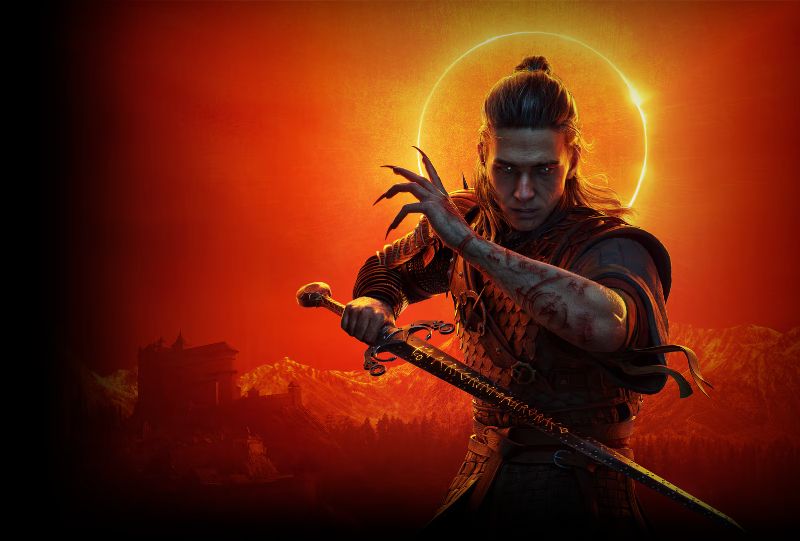
Review: The Blood Of Dawnwalker
Rebel Wolves’s The Blood of Dawnwalker has often been compared to The Witcher III: Wild Hunt from fellow...
15-09-26 Read more
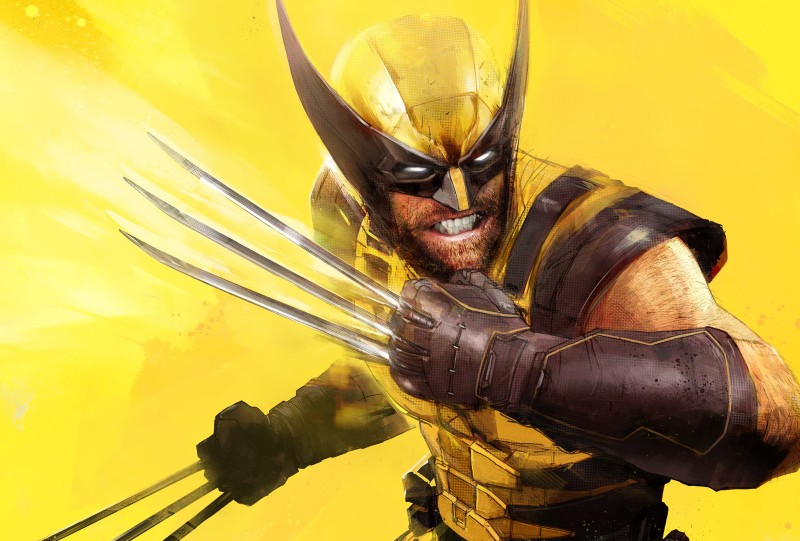
Review: Marvel's Wolverine
When I think about some of PlayStation Studios’ most consistent developers, Insomniac Games always ranks...
10-09-26 Read more
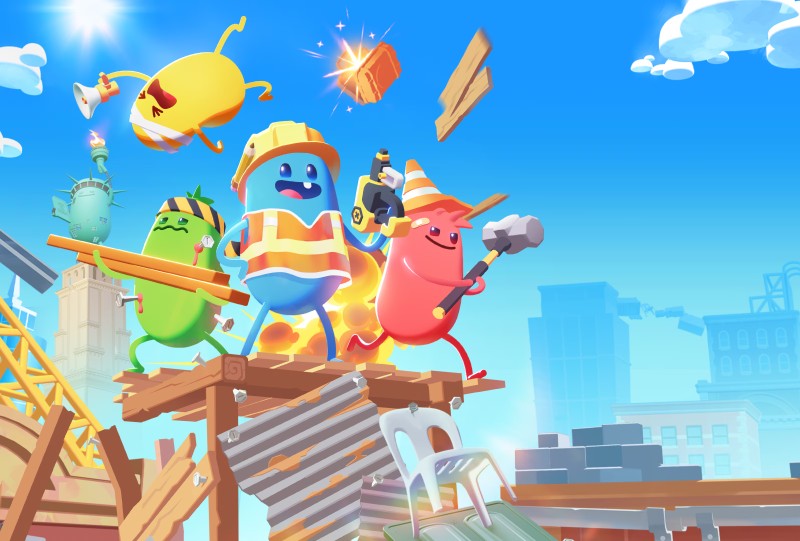
Review: Dumb Ways to Build
Originally a public service announcement which discouraged the Australian public from thoughtless activity...
09-09-26 Read more
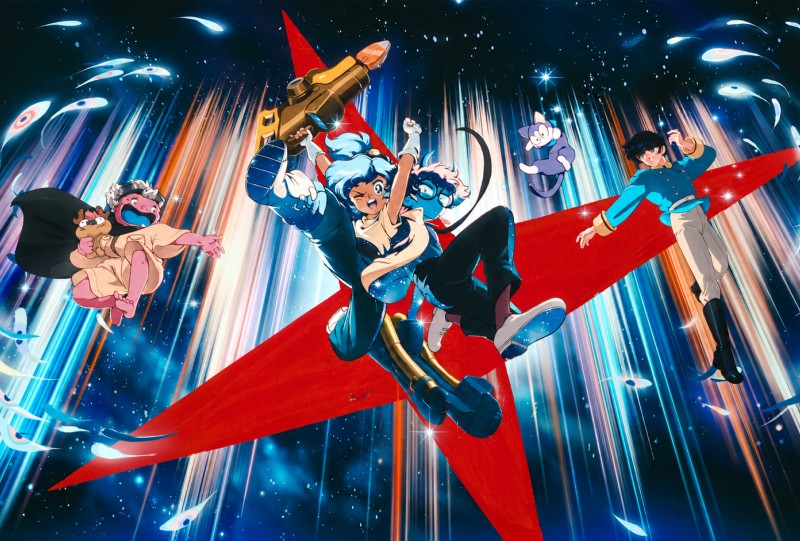
Review: Orbitals
Booting up Orbitals for the first time, I was immediately hit by a warm wave of nostalgia like the food...
08-09-26 Read more

Review: Onimusha: Way of the Sword
It’s a good year to be a fan of action games, and an even better year to be a fan of Capcom. After delivering...
31-08-26 Read more

Review: Spa Weekend
I was invited to attend an exclusive preview screening of the film Spa Weekend on August 20th at Sandton...
21-08-26 Read more

Overview

Add to cart
Developer
Ubisoft Toronto
Publisher
Ubisoft
Platform
PC, PlayStation 4, Xbox One, PlayStation 5, Xbox Series
Release date
8 October 2021