Latest Updates
Who's Online

Please sign in to add comments


Cart Contents
| Item: | Price: | Qty: |
|---|---|---|
| Total: R 0.00 | ||
User Content
Latest Poll
Review
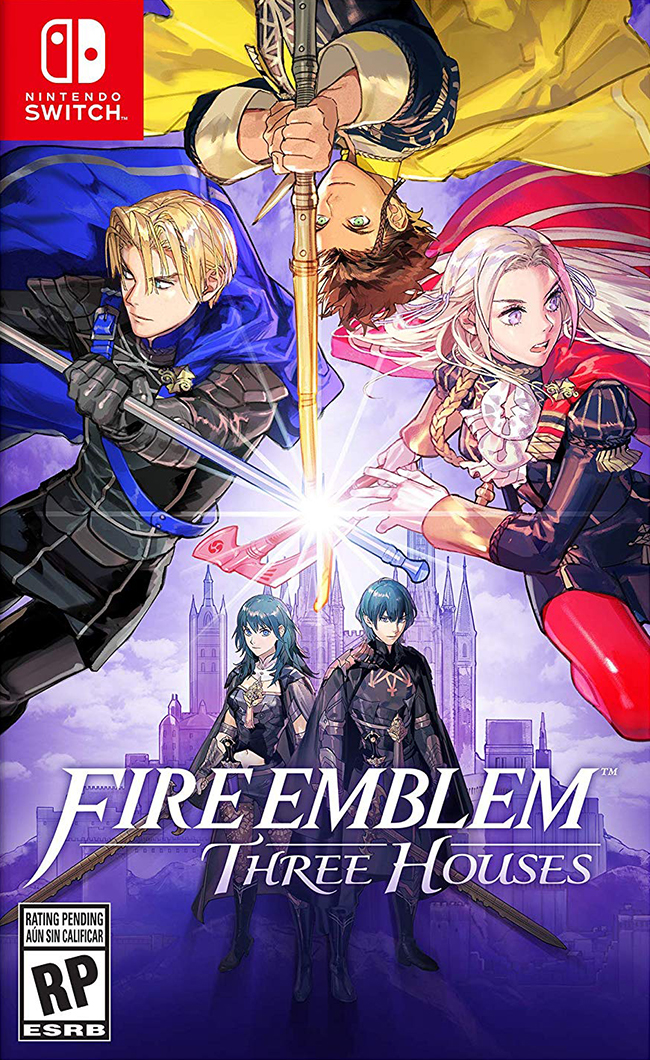
Review: Fire Emblem: Three Houses
Passes with distinction.

Fire Emblem: Three Houses, from Intelligent Systems and Koei Tecmo Games, in collaboration with Nintendo, is easily one of 2019’s most sophisticated games yet. Don’t be fooled by the anime and school-life aesthetic, this game is incredibly complex. Fire Emblem: Three Houses is a tactical turn-based JRPG with a captivating, deep story.

Players in Fire Emblem: Three Houses will take on the role of Byleth after quite a flashy opening cinematic. Byleth is the player’s avatar and can be male or female. You can also further “customize” your character with some basic information as their name and their birthday before you’re introduced to Jeralt. Jeralt is the leader of a band of mercenaries and is your father. A short battle ensues and you’re whisked away to one of the main in-game locations, Garegg Mach Monastery. This is where you’ll spend the majority of your downtime between battles and you’ll grow accustomed to traversing its halls.

Drifting away from the monastery though, the Fire Emblem is a game series that prides itself on its military tactics and smart battle system intertwined with personal relationships between characters. Fire Emblem: Three Houses takes this even further with refining the battle system even more and doing away with the tried and tested “Rock, paper, scissors” aspects to units and their weapons. Instead, what we have in this game is a more technical approach to battles with unit stats and interpersonal relationships playing a key role in achieving victory.
what we have in this game is a more technical approach to battles

The tutorial thrusts you into the heat of battle quite quickly and the first taste of combat that you're exposed to barely scratches the surface of the game’s complexity. Battles in Fire Emblem: Three Houses involve moving your units a set number of spaces across the battlefield to engage enemy units. Each of the units that you command has a specific amount of spaces they can move as well as a specific type of weapon. Additionally, each unit has access to combat skills or magic which they can use in battle. You can customize your units weaponry and skills as they level up and you gain more items in-game.

Fire Emblem: Three Houses also introduces Battalions to the game. This new feature effectively allows your units to survive against stronger enemies such as beasts and dragons and later on in the game, are essential to secure victory through the use of Gambits. Gambits are special abilities that are specific to each type of battalion you have on the field and function much like combat arts do. These can also inflict status ailments upon enemies such as stunning them and allowing you to prepare a more powerful attack later. The terrain you battle on is also important to consider. For example, hiding units in a forest can assist their defensive capabilities. Fire Emblem: Three Houses can be likened to a game of chess in this regard. Going in with no strategy or tactics can work to a certain extent but it won’t always secure you victory and it certainly won’t get you anywhere in the latter parts of the game.

Depending on your choice of game difficulty, you can either lose units permanently if they are defeated in battle or you can have them recuperate to fight another day. Playing with permanent loss activated makes for a far more interesting game mechanic but due to the increased necessity for proper strategy to be applied in battles, this may not be a good starting choice for casual players.


Your playable character’s role as a Professor at Garegg Mach Monastery introduces the various school-life and relationship aspects to the game. Siding with the Black Eagles, Blue Lions and Golden Deers houses at Garegg Mach Monastery is a major game altering choice. These houses are respectively aligned with one of the three major political factions in the world of Fódlan. These being the Adrestian Empire, Holy Kingdom of Faerghus and the Leicester Alliance. Each house has their own set of characters, which are fully voiced and each have their own unique personality.

The school-life aspects of Fire Emblem: Three Houses directly ties into the combat and battling side of the game. Players that have built up favourable relationships with their units will have bonuses applied during battle which can change the tide of battle in some situations. Back at the monastery, much of the game’s backstory is fleshed out with a library containing multiple books that can be accessed that explains the history of Fódlan.
Players that have built up favourable relationships with their units will have bonuses applied during battle...
Interacting with the different characters of the three houses also leads to additional quests and story cutscenes. Getting to know your allies is a major component of the game and if you’re playing with permanent death enabled, the risk of losing your units in battle lends additional weight to your decisions. Players will also be able to treat their students and allies to lunch and there is a romance component available in the game should you be inclined to explore a deeper relationship with one of your allies.


The risk of losing a unit in battle is not one that’s overwhelming burdensome though since thankfully, players will have access to an ability known as the “Divine Pulse”. This ability allows you rewind time a limited number of times and re-do parts of a battle or the entire battle itself. This ability, while at first not being too big of a deal, eventually becomes an essential component of battles where more nuanced strategy, tactics and smart battling is required.

Back at the monastery, as the Professor, you’re tasked with managing a schedule of teaching your students and performing actions. Activity Points are assigned for activities at the monastery and these are consumed and replenished as time goes on. Having access to a full calendar makes planning and micro-management easy since you can see what’s on the table and act accordingly.

The entirety of Fire Emblem: Three Houses' main story should take you around 60 hours to complete depending on the pace you play at. Since there are three houses, each with their own story and to play through, multiple saves are recommended, as well as 3 playthroughs. The game is extremely content heavy with every single interactable NPC is fully voiced in both English and Japanese and this was an incredibly nice touch from the developers. More often than not, games only have major characters voiced during cutscenes and nowhere else. Hearing voices throughout helps with story immersion and truly makes the character’s personalities grow on you. The story itself is enjoyable and if you’re a fan of deep, intricate plots with numerous subplots and character growth, you will definitely be entertained throughout.

Graphically, Fire Emblem: Three Houses is gorgeous. The full blown anime cutscenes are breathtaking and the in-game graphics are no slouch either. The soundtrack used in the game is exceptionally good too with the main theme being quite memorable. The only gripe to be had with Fire Emblem: Three Houses is that the battlefields themselves could have used a bit more variation. Other than that, the game is polished to near perfection and is extremely enjoyable in all aspects.
If you own a Nintendo Switch and you’re a fan of Turn-based JRPGs, Fire Emblem: Three Houses should be on your “Must buy” list right now. It comes highly recommended from us and will keep you busy for hours and hours on end.


There are 2 comments
 Hellhound105


Please login to post comments.
More Reviews
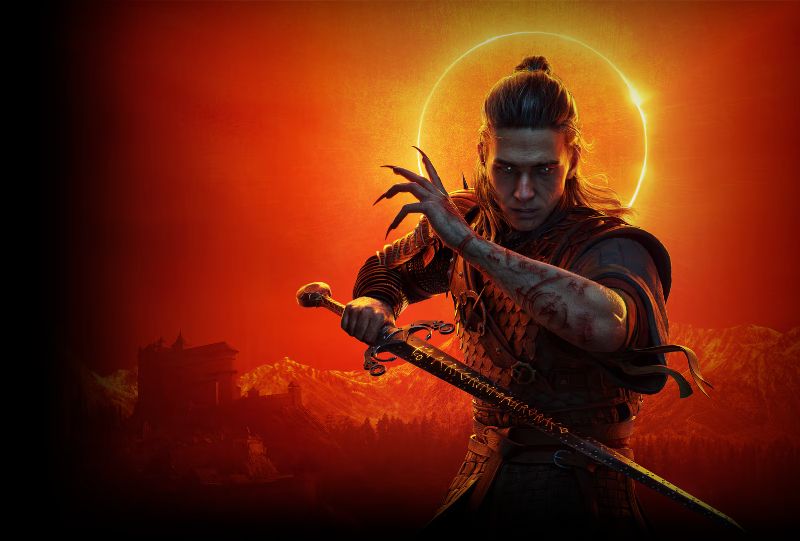
Review: The Blood Of Dawnwalker
Rebel Wolves’s The Blood of Dawnwalker has often been compared to The Witcher III: Wild Hunt from fellow...
15-09-26 Read more

Review: Marvel's Wolverine
When I think about some of PlayStation Studios’ most consistent developers, Insomniac Games always ranks...
10-09-26 Read more
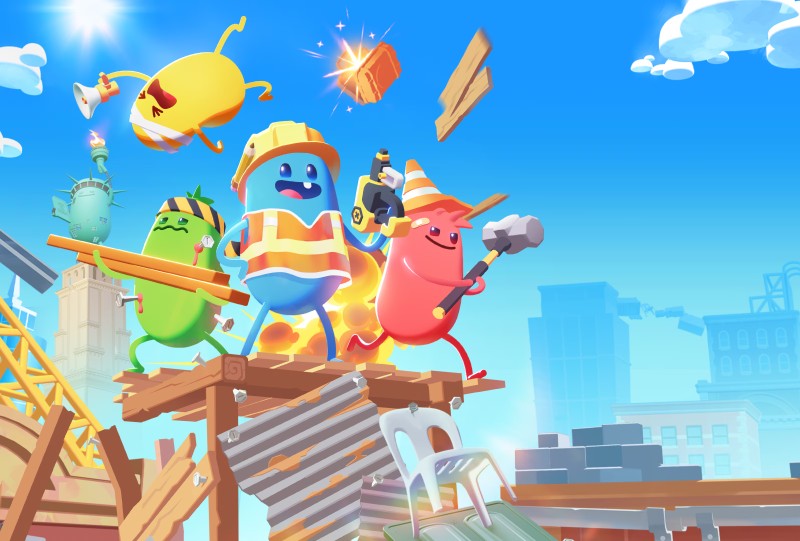
Review: Dumb Ways to Build
Originally a public service announcement which discouraged the Australian public from thoughtless activity...
09-09-26 Read more

Review: Orbitals
Booting up Orbitals for the first time, I was immediately hit by a warm wave of nostalgia like the food...
08-09-26 Read more

Review: Onimusha: Way of the Sword
It’s a good year to be a fan of action games, and an even better year to be a fan of Capcom. After delivering...
31-08-26 Read more

Review: Spa Weekend
I was invited to attend an exclusive preview screening of the film Spa Weekend on August 20th at Sandton...
21-08-26 Read more
Review: SanDisk Extreme Fit USB-C Flash Drive (128GB)
The SANDISK Extreme Fit USB-C™ Flash Drive - 128GB is something that you might not even believe exists...
21-08-26 Read more
Review: Ground Zero Hero
It’s not often that a game comes around with the ability to grip you into a mindless cycle of absolute...
19-08-26 Read more

Review: Marvel Tokon: Fighting Souls
You know, if anybody was going to make a Marvel themed arcade fighting game in 2026, I’m glad Arc System...
18-08-26 Read more

Review: Mortal Shell 2
With the boom of Soulslike games, developers now have to find interesting ways to mix up the formula...
17-08-26 Read more

Overview
Add to cart
Developer
Intelligent Systems, Koei Tecmo Games
Publisher
Nintendo
Release date
26 July 2019