Latest Updates
Who's Online

Please sign in to add comments
 I was holding out for FF7 pricing. Heartbreak
Cart Contents
| Item: | Price: | Qty: |
|---|---|---|
| Total: R 0.00 | ||
User Content
Latest Poll
Review
Review: Final Fantasy XVI
Clash of the titans.

When Final Fantasy XV was announced as a more action-focused direction for the Final Fantasy franchise, I was a bit apprehensive. I had grown accustomed to the series' more traditional turn-based combat and struggled to imagine it working in any other way. Against all odds, Final Fantasy XV managed to really impress me despite its well-documented shortcomings. For that reason, I approached Final Fantasy XVI with a lot more faith in Square Enix and the talented team at Creative Business Unit III that they could confidently reorient the series - a remarkable transition into action-RPG that, after 55 hours, completely blew me away at every turn.

Final Fantasy XVI takes place in the kingdom of Valisthea. Placing a large emphasis on politics and warring kingdoms, the story is told through lengthy cutscenes and dialogue-heavy sequences that has been fairly compared to Game of Thrones. Six kingdoms of Valisthea battle for control of the mountain-sized Mothercrystals, great sources of magic and power. Each kingdom utilises the services of special individuals called Dominants who possess the destructive abilities of Eikons, monstrous embodiments of the elements. In the midst of it all is Clive Rosfield, the firstborn son of a noble house who seeks revenge for his younger brother, the Dominant of Fire Joshua, after a sudden betrayal.
The story immediately hooks you with its well-written and layered characters, intriguing politics steeped in magical warfare and the changing tides on Valisthea's political chessboard.
Final Fantasy XVI's story goes through three phases of Clive's life as characters and events develop around him and his involvement in the wars. After a fantastic opening, the story immediately hooks you with its well-written and layered characters, intriguing politics steeped in magical warfare and the changing tides on Valisthea's political chessboard. It's a suprisingly dark and mature narrative for a Final Fantasy game with shocking outbursts of violence and profanity that we haven't really seen in the series before - and it's very refreshing.
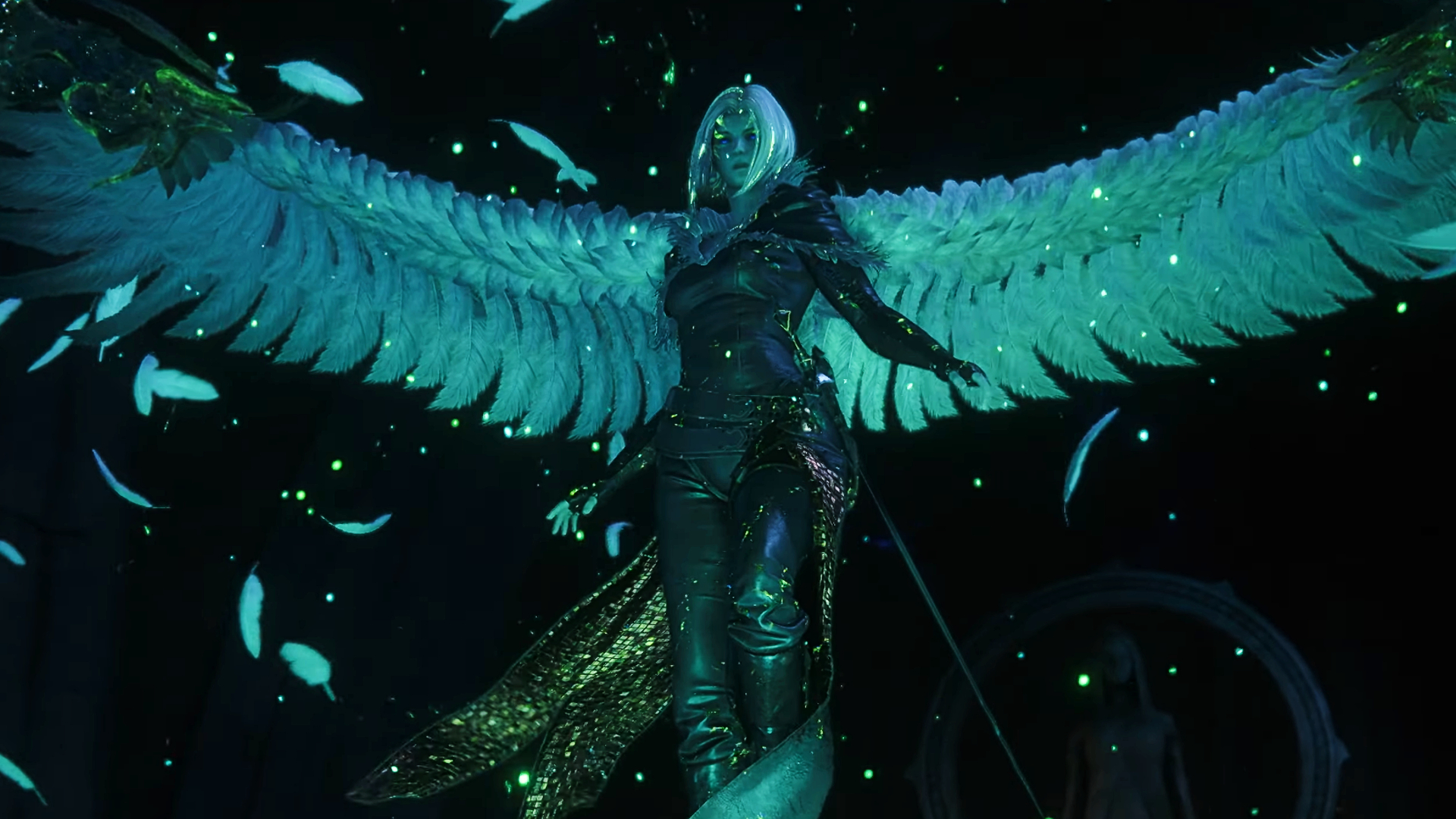
The character writing in Final Fantasy XVI is phenomenal, constantly finding ways for players to engage with not only the protagonist Clive but side characters and NPCs on personal levels. Through them, we come to understand just how harsh the war has been on the kingdoms and its people, most of which are constantly on the verge of poverty or falling victim to corruption. Jill Warrick is also a particular standout and a great companion to Clive. The narrative is a slow burner that rewards the patient and attentive, making for one of the most immersive and captivating settings in a Final Fantasy game to date.
The story unravels via a lengthy main questline and its numerous side quests. While the main quest is excellent, the side quests tend to feel a bit tedious at times, either boiling down to fetch quests or simple delivery missions. On the other hand, I ocassionally stumbled across some great side quests that deepened the lore of the world and its inhabitants. It ended up being a mixed bag of side content but thankfully, that only becomes a minor nitpick when you look at the staggering amount of things that Final Fantasy XVI does right - and when it does, it's some of the best in the industry.

The realm of Valisthea is not open world but divided into smaller explorable zones connected by long corridors - a nice throwback to older Final Fantasy games. While I appreciated the scale of Final Fantasy XV's open world, I also love the fact that Final Fantasy XVI's map is not needlessly big. Every area feels sizeable but contained; some have bustling towns while others have wide, rolling fields and sandy dunes populated by roaming creatures, bandits and soldiers. It never once felt overwhelming despite the game's grand presentation. It really helped alleviate tedium and unmapped its zones at a steady pace in the story.
While I appreciated the scale of Final Fantasy XV's open world, I also love the fact that Final Fantasy XVI's map is not needlessly big.
Combat in Final Fantasy XVI doubles down on the real-time action introduced in Final Fantasy XV, only it's dialled up to 100. You mainly control Clive in battles but other party members can join you and operate independently, with the only exception being your trusty dog Torgal that you can issue commands to during combat. I wish that we had the option to at least customise the gear or cosmetics of party members beyond Clive's swords but that's a minor complaint. Those looking for a deeper party system here might leave a bit disappointed but I didn't mind this new direction.
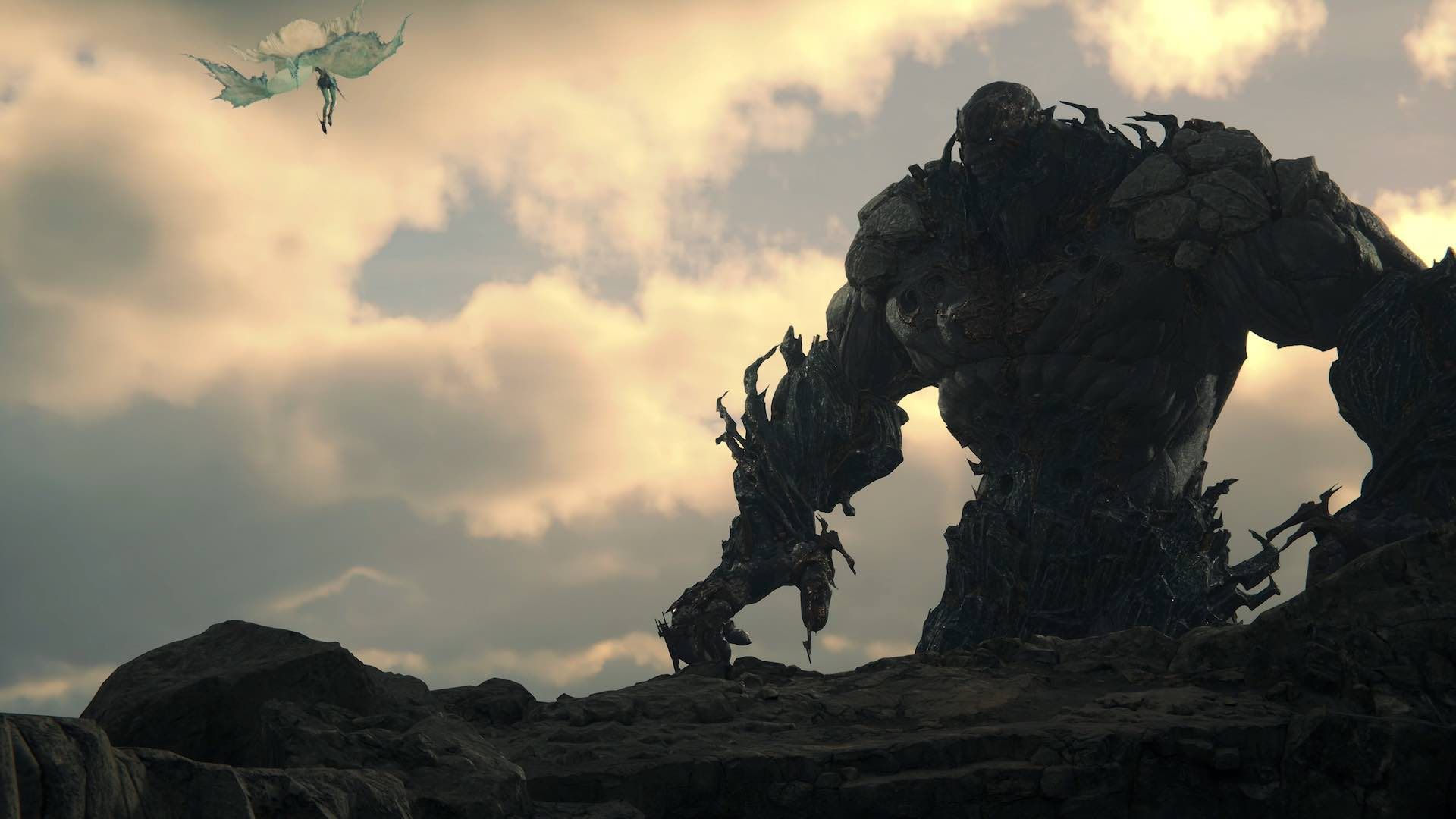
Similar to the battle systems of Nier: Automata or Devil May Cry, Final Fantasy XVI's combat is fast, stylish and very satisfying. Clive can perform intricate combos by stringing regular melee strikes together with special abilities harnessed from Eikons. Apart from basic attacks, Clive can weave these awesome elemental Eikon attacks into combos that reset on a cooldown after use, offering a great balance between pacing the fights and knowing when to unleash them all. Enemies have a meter that, when depleted, causes them to stagger, giving you a wide opening to deliver your most devastating blows.
Some have argued that Final Fantasy XVI's combat can feel far too lenient and easy which is valid, though the game does a pretty good job at dropping some challenging encounters in between, either through Elites or thrilling Bounty Hunts. The streamlined combat system might not be to everyone's tastes but I personally found it engaging and insanely fun. Square Enix's accessibility options include Timely Accessories, special rings that can be equipped when you play in Story Focused mode. These rings streamline combat further and let you automatically string combos, auto-evade or use healing items. It's not a "difficulty" option per se, but it is welcomed, especially for newcomers to the action genre.

The gear system in Final Fantasy XVI has been simplified to the point where it clearly steers away from the RPG genre in favour of more action-oriented skills and upgrades. There's an impressively large, evolving skill tree where you can pour AP (Ability Points) into increasing the potency of certain attacks, unlock new attacks or upgrade and master them. Clive can equip a sword, bracelets, gauntlets and various rings or necklaces that offer buffs, leaving room for players to slightly experiment with their preferred skills and abilities. It's not nearly as expansive as the RPG mechanics of past Final Fantasy games and understandably some may not like this but for an action game, it has just enough versatility.
These grand-scaled royal rumble spectacles between the franchise's Summons rank among the best and most hype action sequences I've ever played in a video game.
Where Final Fantasy XVI really excels is in its Eikon battles. These grand-scaled royal rumble spectacles between the franchise's Summons rank among the best and most hype action sequences I've ever played in a video game. It's clearly the game's biggest selling point and one that, in all honesty, could be highly recommended on the merits of these extraordinary, otherworldly battles alone. They're few and far between in the story, often signalling a big shift in the game's main chapters but I was always left speechless and grinning from ear to ear during them. I don't think it's possible to accurately describe how crazy they get, so I'll just say you absolutely need to experience them for yourself.
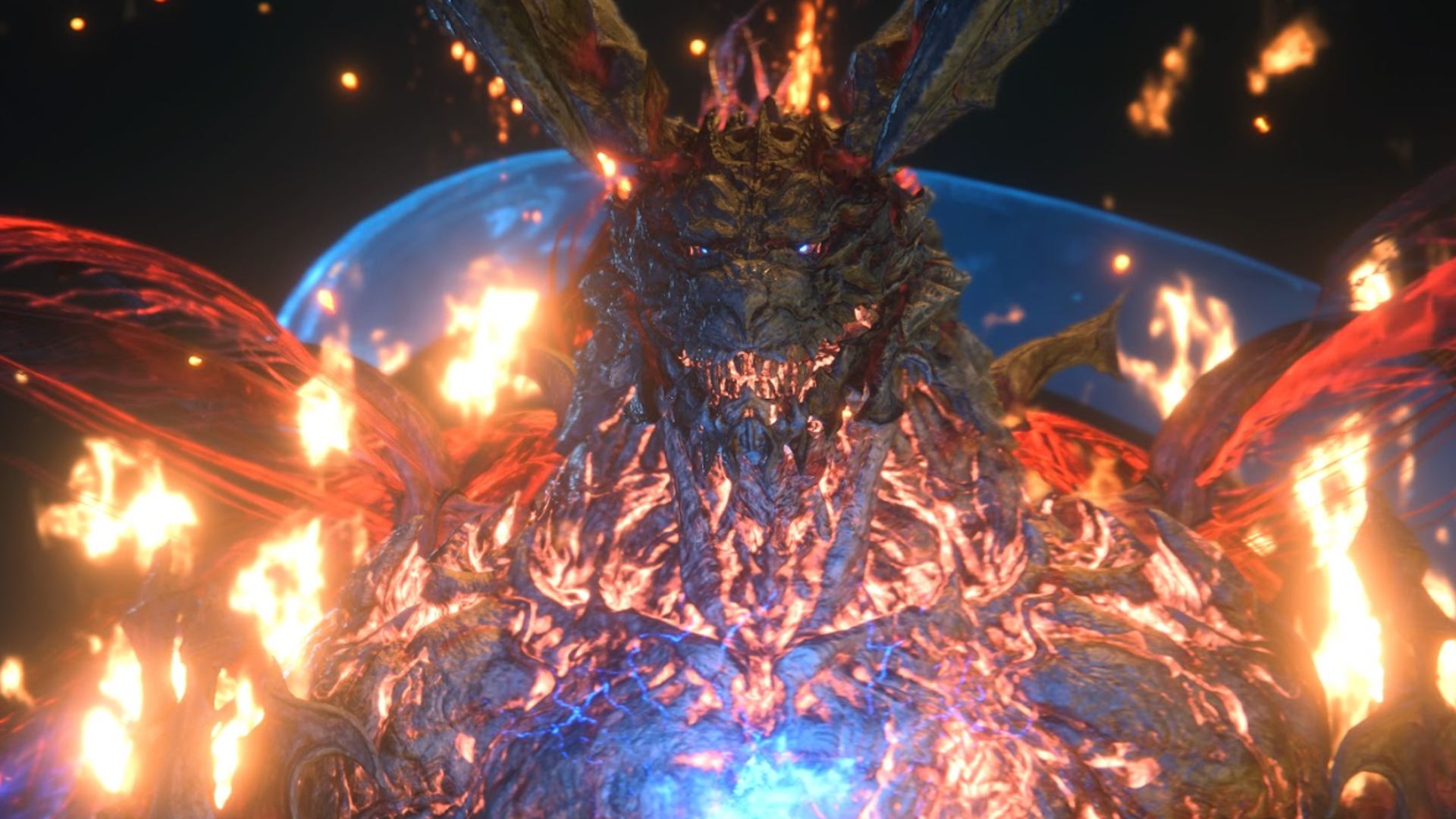
The visuals and music in Final Fantasy XVI are world-class. The game boasts a stunning presentation with some of the best examples of gorgeous current-gen visuals I've seen since Bluepoint's Demon's Souls. The world feels lively and mysterious all at once, enhanced by its striking art direction and landscape designs. The game's composer, Masayoshi Soken, deserves a round of applause for his epic soundtrack that ranks among some of the best in the series - not an easy task when you're up against the legendary Nobuo Uematsu. I find myself humming some of the game's battle themes and will probably play it on repeat when it becomes available, which is a sign of an unforgettable score.
The voice acting in Final Fantasy XVI is also tremendous with an award-worthy performance from Ben Starr as Clive, who manages to evoke so much pain and subdued anger in the midst of the chaos and some of the story's strong emotional beats, masterfully hitting the right notes during his rageful scenes too. Cid's voice actor, Ralph Ineson, is also a standout as is Susannah Fielding as Jill.
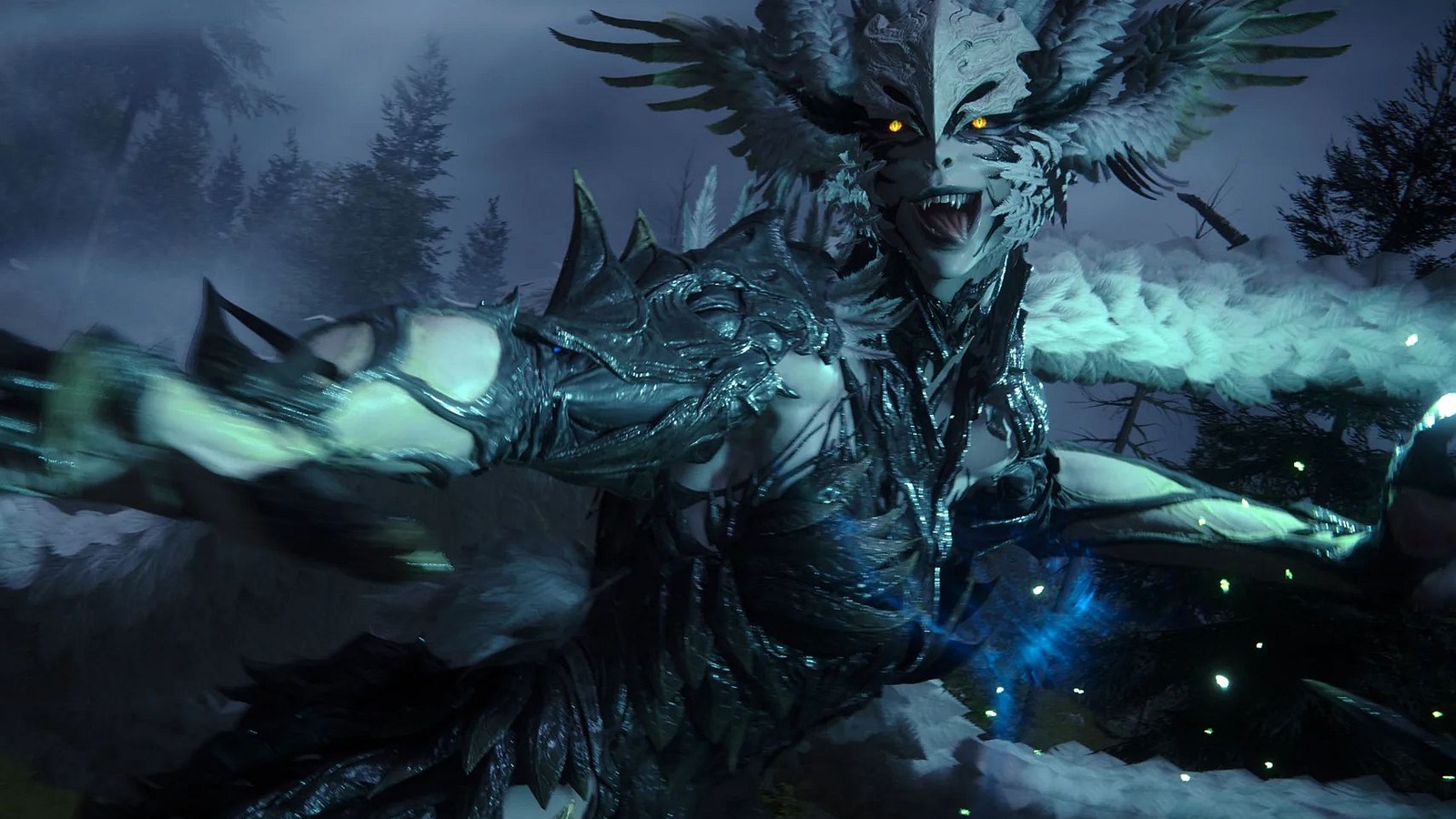
Final Fantasy XVI is not perfect and won't be everyone's cup of tea, but it personally hit almost all of the right notes for me to consider it an absolute must-play and a refreshingly mature take on the franchise. The combat is highly addictive, the story is as captivating and often magical as its predecessors, the Eikon battles are jaw-dropping and the musical score is in a league of its own. It's not going to change the industry or greatly move the series forward but it will go down as one of the most riveting games I've played in 2023.
*PS5 Review code provided by Square Enix


There are 1 comments
Please login to post comments.
More Reviews
Review: Gachiakuta
Gachiakuta took the world by storm when it first aired from July to December 2025. With its gritty animation...
28-09-26 Read more

Review: Elden Ring: Tarnished Edition (Switch 2)
What can I say about Elden Ring that hasn’t already been said? From Software’s magnum opus originally...
21-09-26 Read more
Review: The Blood Of Dawnwalker
Rebel Wolves’s The Blood of Dawnwalker has often been compared to The Witcher III: Wild Hunt from fellow...
15-09-26 Read more
Review: Marvel's Wolverine
When I think about some of PlayStation Studios’ most consistent developers, Insomniac Games always ranks...
10-09-26 Read more
Review: Dumb Ways to Build
Originally a public service announcement which discouraged the Australian public from thoughtless activity...
09-09-26 Read more
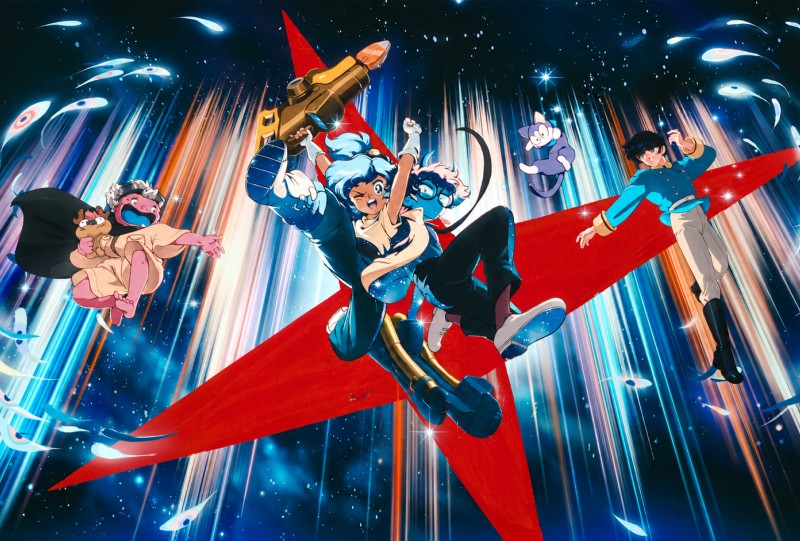
Review: Orbitals
Booting up Orbitals for the first time, I was immediately hit by a warm wave of nostalgia like the food...
08-09-26 Read more

Review: Onimusha: Way of the Sword
It’s a good year to be a fan of action games, and an even better year to be a fan of Capcom. After delivering...
31-08-26 Read more

Review: Spa Weekend
I was invited to attend an exclusive preview screening of the film Spa Weekend on August 20th at Sandton...
21-08-26 Read more
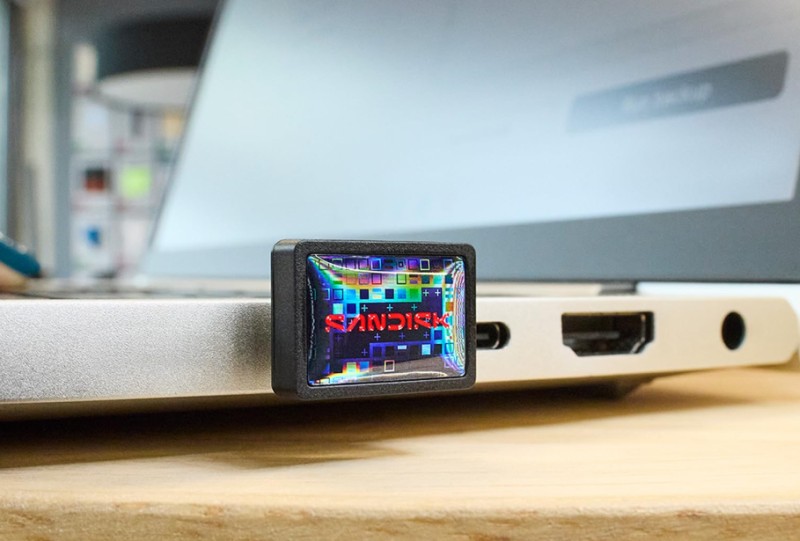
Review: SanDisk Extreme Fit USB-C Flash Drive (128GB)
The SANDISK Extreme Fit USB-C™ Flash Drive - 128GB is something that you might not even believe exists...
21-08-26 Read more
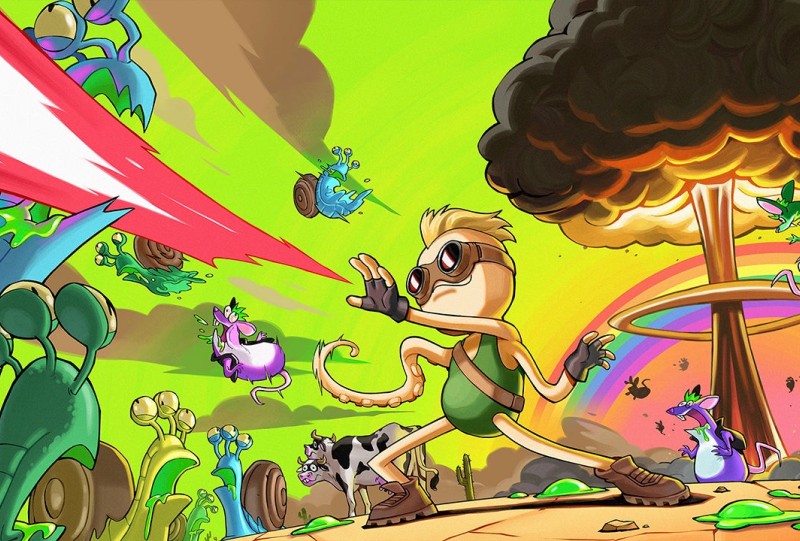
Review: Ground Zero Hero
It’s not often that a game comes around with the ability to grip you into a mindless cycle of absolute...
19-08-26 Read more

Overview

Add to cart
Developer
Creative Business Unit III
Publisher
Square Enix
Platform
PlayStation 5
Release date
22 June 2023










a lot of them does add some fantastic world building.