Latest Updates
Who's Online

Please sign in to add comments

Cart Contents
| Item: | Price: | Qty: |
|---|---|---|
| Total: R 0.00 | ||
User Content
Latest Poll
Review
Review: Like a Dragon: Ishin!
Sweet samurai satisfaction.

Back in 2014, Ryu Ga Gotoku Studio released Ryu Ga Gotoku Ishin! for the PlayStation 3 and 4. Despite previous entries in the Ryu Ga Gotoku series reaching Western shores and cultivating a dedicated following under the Yakuza moniker, Ishin! became a notable exception. English-speaking fans would sadly have to exercise extreme patience and wait nine more years to get their hands on the title, with the additional bonuses of extra content and enhanced visual fidelity added to the eventual re-release. Like a Dragon: Ishin! has finally arrived and I am more than happy to report that it brings exactly what all fans of the long-running franchise want to the table: more Yakuza.
Set during the Bakumatsu Era of 1860s Japan, a time of major societal upheaval amid frequent power struggles and xenophobia, Like a Dragon: Ishin! follows the story of Sakamoto Ryoma (“played” by Kazuma Kiryu) as he embarks on a quest to exact vengeance upon the individual responsible for assassinating his father figure, Yoshida Toyo.

Now residing in the capital city of Kyo (or Kyoto) one year after leaving his hometown of Tosa, and donning the new alias of Saito Hajime, Ryoma spends his days following up on clues related to the killer’s identity and location; the most prominent of which being the Tennen Rishin fighting style employed during the incident. After learning that the founders of the military government-backed Shinsengumi were all masters of the art, Ryoma enlists within their ranks in the hopes of finally getting the answers he so desperately seeks.
And that’s about as far as I’ll go in terms of story discussion. Naturally, as is the case with the Yakuza/Like a Dragon series, it takes a considerable amount of time before the plot gets hot and heavy. When it does, though, you can expect to see the usual gripping narrative and edge-of-your-seat drama unfold through a combination of in-engine and cinematic cutscenes.

Admittedly, coming to grips with the story and characters of Ishin! can be quite a challenge for the uninitiated and veteran alike, mostly as a result of the mountain of historical information and terminology the game likes to throw at you. Ryu Ga Gotoku Studios thankfully provides a glossary within the pause menu, although the definitions mostly contain the bare minimum of what you’ll need to know for following character conversations. I suppose that’s the best we can hope to receive, short of embedding a literal Wikipedia page into the in-game text.
Coming to grips with the story and characters of Ishin! can be quite a challenge for the uninitiated and veteran alike.
Another aspect of Like a Dragon: Ishin! that can, at first glance, appear overwhelmingly complex is the combat system. Ryoma has four fighting styles to choose from: brawler, swordsman, gunman and wild dancer. Brawler is the closest you’ll get to the traditional Yakuza combat style, raining a barrage of fists upon all who oppose you and your righteous way of life.

The swordsman and gunman styles are exactly what they sound like – slicing your foes up into chunks of flesh or perforating their bodies with a hail of bullets. The wild dancer option is where things get a bit more interesting, combining the traits of both swordsman and gunman into a flurry of swift and stylish offense. While your mobility and crowd control dramatically increase in wild dancer mode, it appears your damage output decreases substantially as a trade-off. Ryoma is able to switch between any of these four stances mid-combat, depending on what the situation calls for. Alternatively, you can choose to go all-in on one or two styles, slotting any training orbs acquired through levelling up into their specific skill tree.
Combat may feel a bit sluggish or dull when you’re first starting out on your adventure, but things pick up in a big way as you progress through the upgrade tiers. Except, in my opinion, for the gunman style which felt pretty unsatisfying in comparison to the other three. I instead opted to pour everything into the path of the swordsman, somehow acquiring around 70% of all related upgrades before reaching the halfway point of the game. I’m assuming this is an indication that the developers intended for the player to branch out between all four styles in a somewhat even manner.
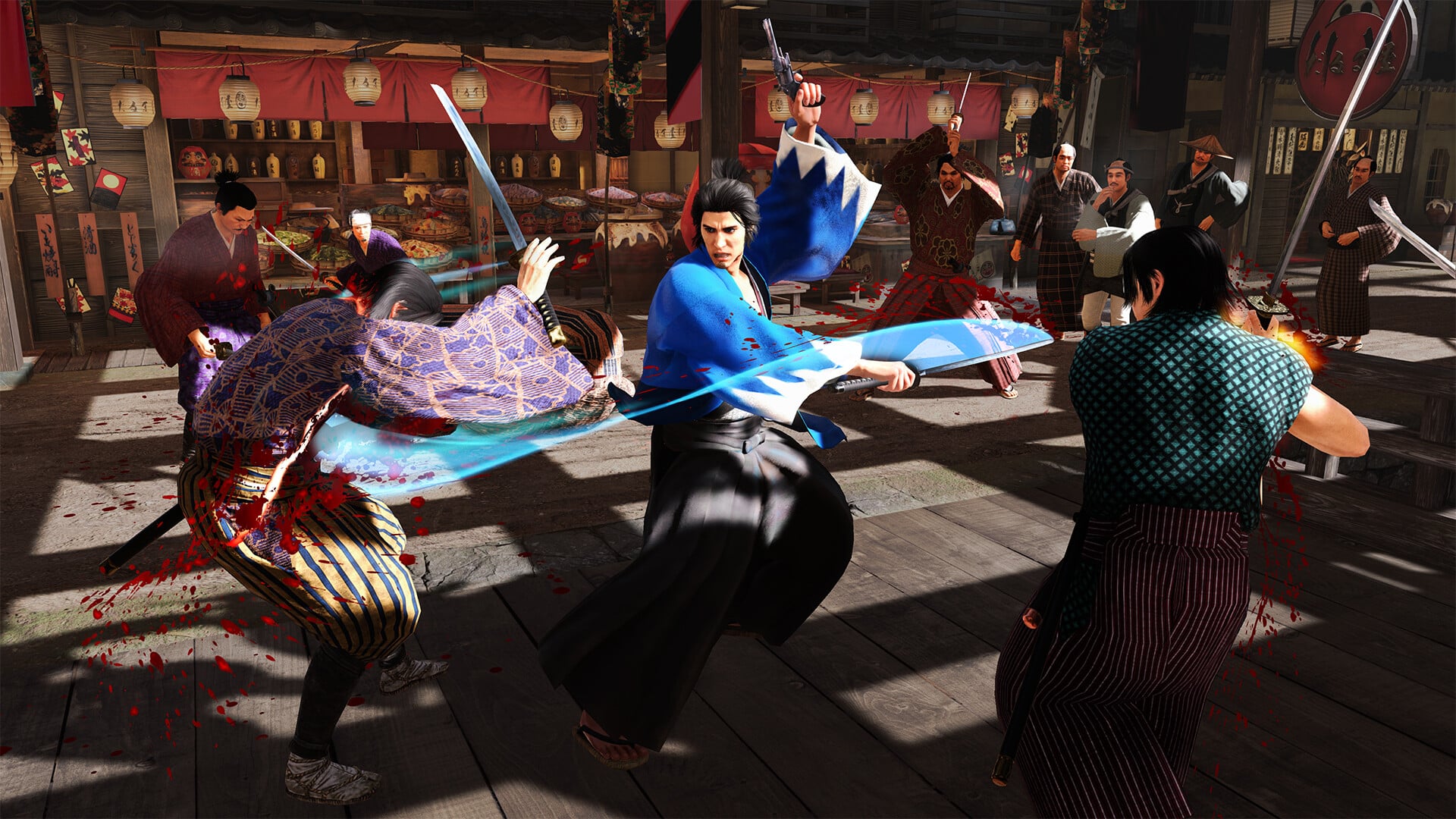
At some point within the first few story chapters, you’ll gain access to the Trooper card system. Members of the Shinsengumi Division Ryoma oversees become usable in the form of upgradable ability cards, each providing either a powerful buff or devastating special attack when activated during combat. Some of the outlaws you’ll encounter while roaming the streets of Kyo will also offer themselves up to you after defeat, the choice of whether to add them to your card collection left entirely within your hands.
Minigames and activities we’ve all come to know and love from within the Yakuza series make an appearance in Like a Dragon: Ishin!.
Besides small groups of violence-hungry degenerates, Kyo also serves up a steaming slice of side content. Minigames and activities we’ve all come to know and love from within the Yakuza series make an appearance in Like a Dragon: Ishin!, now with a fresh coat of historical paint. Spend an evening playing strip rock paper scissors at the brothel, lose all your money betting on chicken races, or lie to yourself once again by promising to actually follow through with understanding how to play mahjong. Next Like a Dragon game, I swear.

Of course, as you run between the six major districts of the city, you’re bound to stumble across another franchise staple - the substories. Think of these as side missions that often delve into unexpected and bizarre territory. Whether you’re dealing with sudden run-ins with a group of protest dancers, or chasing down the lunatic who made off with your clothing while you were relaxing in the nearby bathhouse, these diversions never fail to amuse. Some will begin automatically as you approach an NPC, others will require you to initiate the conversation yourself. It may not seem like an important slice of gameplay, but the rewards can be well-worth your time.
Sick of the hustle and bustle of city living? Another Life mode is what you’re looking for. In an effort to help an orphan named Haruka (yes, that Haruka) pay off the massive property debt left behind by her parents, Ryoma agrees to manage a trade business out of the farmhouse in question. Growing crops, cooking meals and adopting a cat or dog offer a surprisingly refreshing breather from the hyper-serious plot going on in the background. Materials for gear enhancement are also obtained in this mode, making it more than just a pleasant distraction. Eventually, you’re going to want to upgrade your dwelling. That’s where Virtue comes into play.
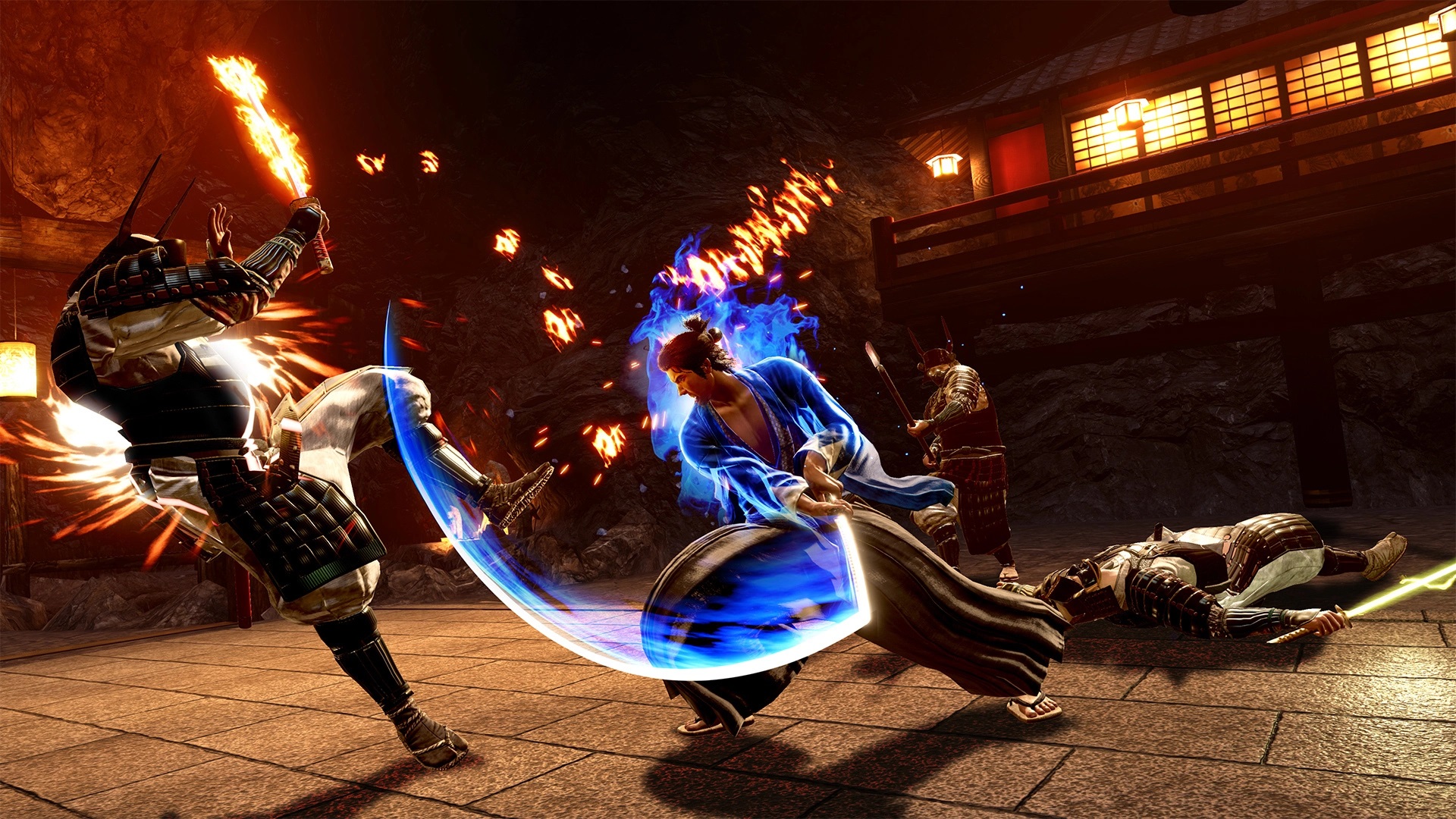
Virtue is a currency earned by completing “good deeds” or, more accurately, completing substories, fulfilling certain game completion criteria, praying at shrines, or improving your relationship with various unique NPCS and shop-owners throughout the map. Relationships can be thought of as heavily watered-down confidants or social links from the Persona games, with each purchase or completed favour increasing the relationship bar a little. Fill it enough and you’ll unlock extra events and scenes, along with a sizeable amount of Virtue redeemable at any of the multiple shrines within Kyo or at Haruka’s house.
Ryoma can also take advantage of Virtue for his own personal improvement; spending it on sprint upgrades, boosting reputation within the city’s districts and increasing his inventory capacity among other options.
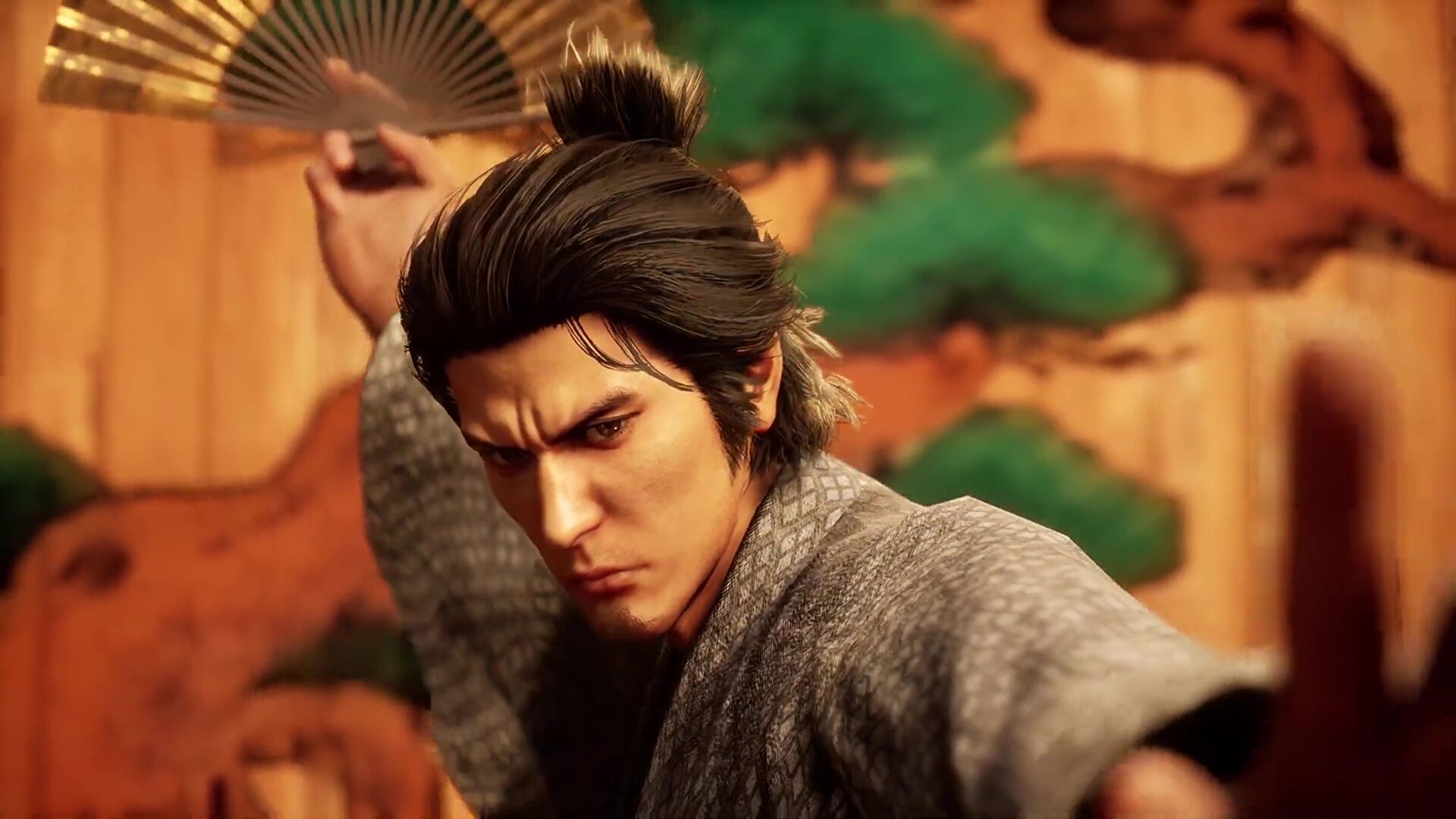
Once you’ve satisfied your Harvest Moon cravings, it’s time to head back out to the city. In contrast to the decidedly limited and uneventful surroundings of the countryside, Kyo is positively brimming with personality and life. Sometimes I would just keep my finger on the dedicated walk button and slowly immerse myself within the setting.
The sights and sounds of Kyo at night are an even greater experience.
Passing by a cramped marketplace or an eerily deserted series of backstreets, you really get the sense that each district has atmosphere and looks distinct from the others. The sights and sounds of Kyo at night are an even greater experience; passers-by carrying lanterns, inebriated citizens staggering through the streets and the lights and activity from the bars all blending together to create a truly authentic experience.
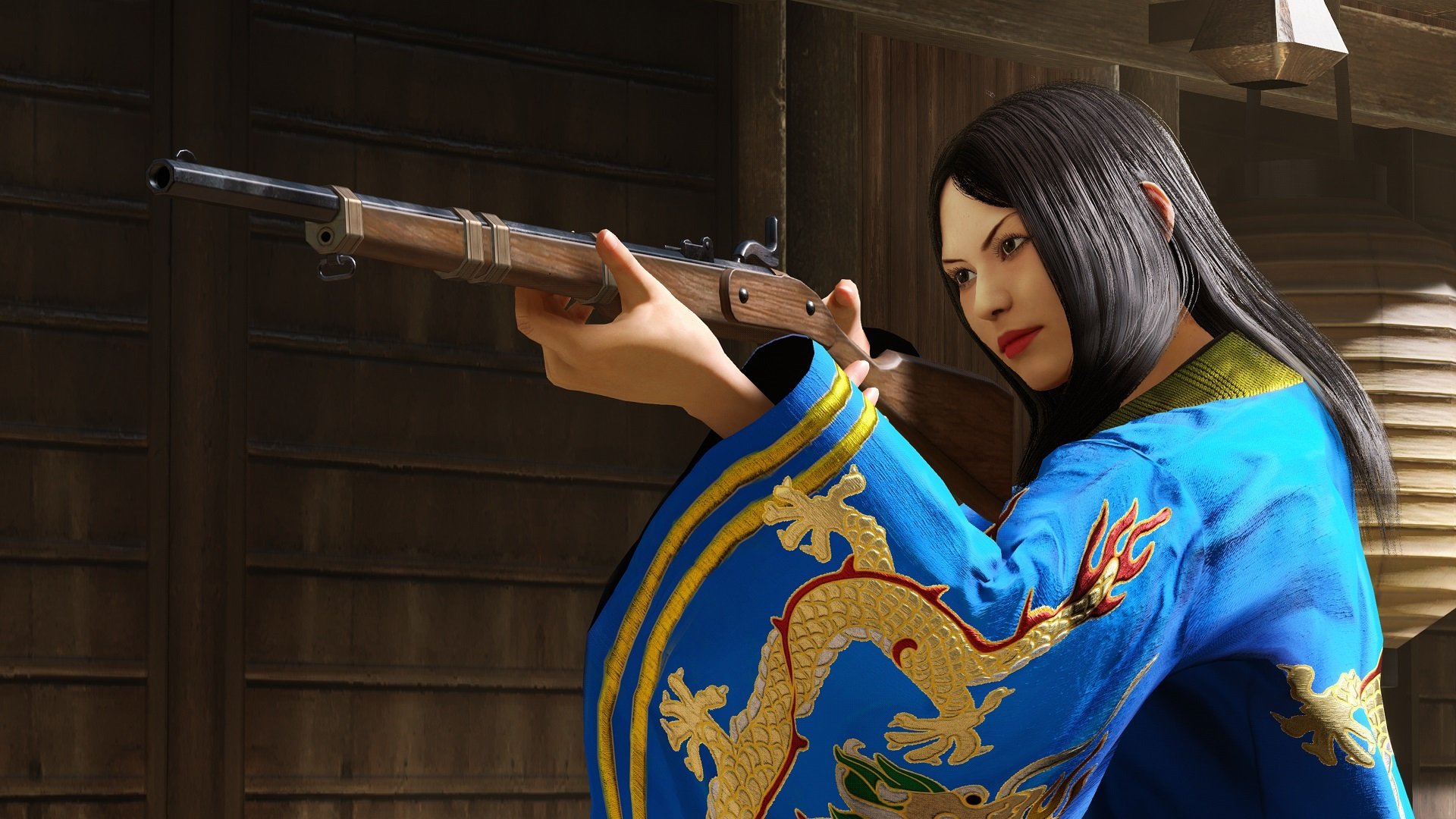
It's hard to find genuine faults within Like a Dragon: Ishin!. As a long-time fan, a lot of the game’s eccentricities have evolved into charm points over the years. Issues like inconsistent texture quality, rare shadow anomalies, pop-in, and non-story NPCs looking quite robotic up close really aren’t significant enough to justify any serious discussion or concern. I will note that, after playing all Yakuza/Like a Dragon games, this was the first instance where I’d noticed enough unusual pathfinding to make mention of it.
I’d often turn a corner and notice a guy walking into a wall or a child stuck on an object in the environment, before eventually correcting themselves and resuming their animation. The frequency of substories that start automatically when you’re just trying to move the plot along also seemed unusually high. Couple this with the occasionally confusing map layout and you’ve got a recipe for some mild annoyance.

Aside from these very minor downsides, Like a Dragon: Ishin! is a wonderful game. If you’re new to the Yakuza/Like a Dragon series, I highly recommend starting with the first title, chronologically speaking, Yakuza 0. In theory, there’s nothing wrong with making Ishin! your first Like a Dragon experience as its story is wholly self-contained, but it’s important to remember that this is a spinoff featuring mainline character models appearing under different names. It’ll likely be significantly less confusing going from canon story to spinoff than the other way around. Whichever way works for you, Ryoma’s story is one you’ll likely find yourself heavily invested in and should keep you occupied for dozens of hours.
*PS5 Review code provided by Sega
Reviewed by Ryan Pretorius


Please login to post comments.
More Reviews

Review: Valor Mortis
Now here’s an interesting combination. Developer One More Level’s (of Ghostrunner fame) Valor Mortis...
16-10-26 Read more

Review: Pixel Washer (Early Access)
There’s always something uniquely satisfying about games that’s sole focus is on making something that...
14-10-26 Read more

Review: Hellraiser: Revival
I’ve been a fan of the Hellraiser movies ever since I snuck a VHS rental (yeah, remember those?) of ...
13-10-26 Read more
Review: The Sinking City 2
The Sinking City 2, from Ukrainian developer Frogwares, is less of a sequel than it is a Lovecraftian...
12-10-26 Read more
Review: Fire Emblem: Fortune's Weave
It’s legitimately very hard to believe that it’s been seven whole years since Fire Emblem: Three Houses...
05-10-26 Read more
Review: Control Resonant
It’s been seven years since the events of developer Remedy Entertainment’s original 2019 Control title...
02-10-26 Read more

Review: Gears of War: E-Day
Xbox’s flagship Gears of War series has had a bit of an identity crisis over the last decade. After ...
01-10-26 Read more

Review: Gachiakuta
Gachiakuta took the world by storm when it first aired from July to December 2025. With its gritty animation...
28-09-26 Read more

Review: Elden Ring: Tarnished Edition (Switch 2)
What can I say about Elden Ring that hasn’t already been said? From Software’s magnum opus originally...
21-09-26 Read more
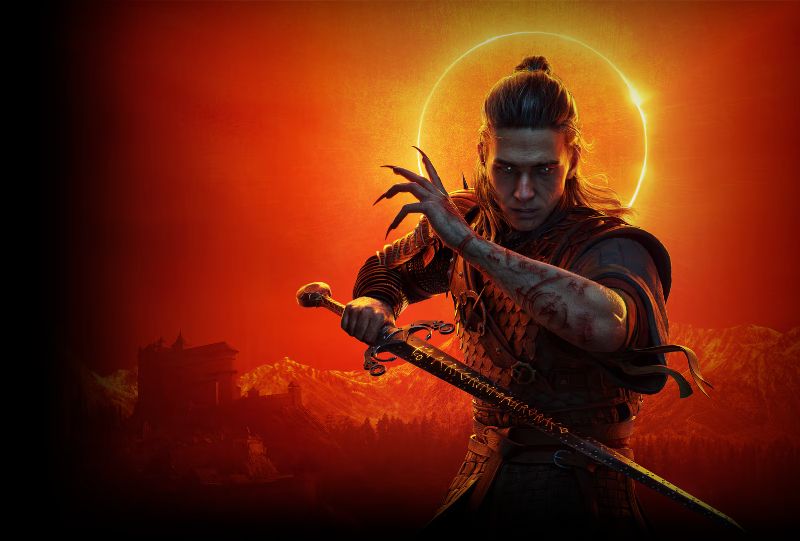
Review: The Blood Of Dawnwalker
Rebel Wolves’s The Blood of Dawnwalker has often been compared to The Witcher III: Wild Hunt from fellow...
15-09-26 Read more

Overview

Add to cart
Developer
Ryu Ga Gotoku Studio
Publisher
Sega
Platform
PC, PlayStation 4, Xbox One, PlayStation 5, Xbox Series
Release date
17 February 2023