Latest Updates
Who's Online

Please sign in to add comments

Cart Contents
| Item: | Price: | Qty: |
|---|---|---|
| Total: R 0.00 | ||
User Content
Latest Poll
Review
Detroit: Become Human
Breaking the Mould

Welcome to Detroit, 2038. The Future. A future where your biggest nightmare has come true. Robots are "in" and are taking over your jobs. Cleaners, maids, store assistants, nannies, companions… even animals, sports stars, music stars and… strippers? That’s right, it’s the future, and technology is at the forefront. But that’s not all that is happening. Detroit: Become Human is the latest in the Quantic Dream foray as they, with David Cage at the head, once again bring narrative, character progression and moral dilemma to their wonderfully woven tale. This time, it affects the world as we know (or knew) it.
David Cage has never been shy to promote his vision, one that includes the aim of bringing true emotion to gaming experiences. He knows what he wants to do and has no need to hide it. The Quantic Dream formula of "interactive movie" is no secret to anyone, and few developers do it better. Detroit: Become Human is another ambitious display from the French Devs, one that delivers on almost all its promises.
Dialogue – Commit? Yes? No?
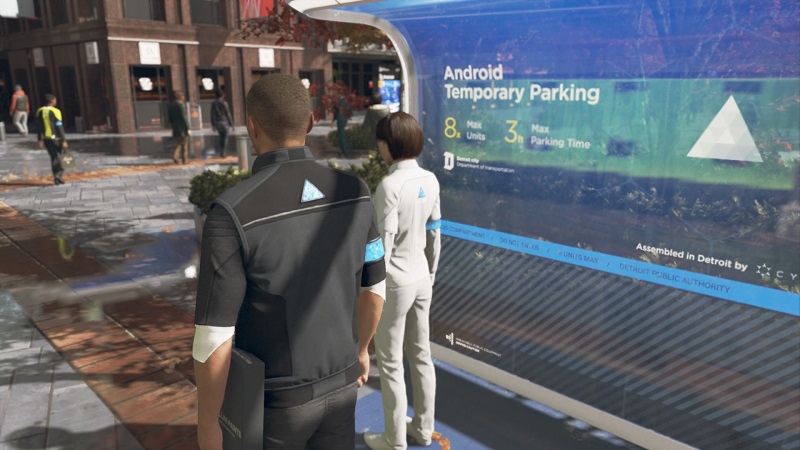
Narrative is the main element to this Quantic game, and once again this isn’t straight forward as the notorious branching storyline paths return. In Detroit: Become Human, the mainline plot is that Androids are a common part of the world we live in, and while they are a necessity in many aspects, they are not well loved, with humans hating them for taking their jobs, making them feel insecure with their own imperfections, and generally bringing about an air of distrust. This is not helped when the news of “deviants” breaks out; the idea that Androids begin to think for themselves, develop a conscience and emote without human direction. The maker meeting its creation, head-on.
It’s not as simple as that though. Detroit brings about a tension that can be likened to racism, xenophobia and general hate for that which is different. It gives us insight into our three main playable characters – Connor, a detective assisting with investigations relating to deviant androids; Markus, a son-like figure to a famous painter who is determined to discover who he really is; and Kara, a mother-like figure on the run with a scared child, Alice, who was abused by her father. These three, and their branching, yet interconnected stories is where the magic of Detroit takes place.
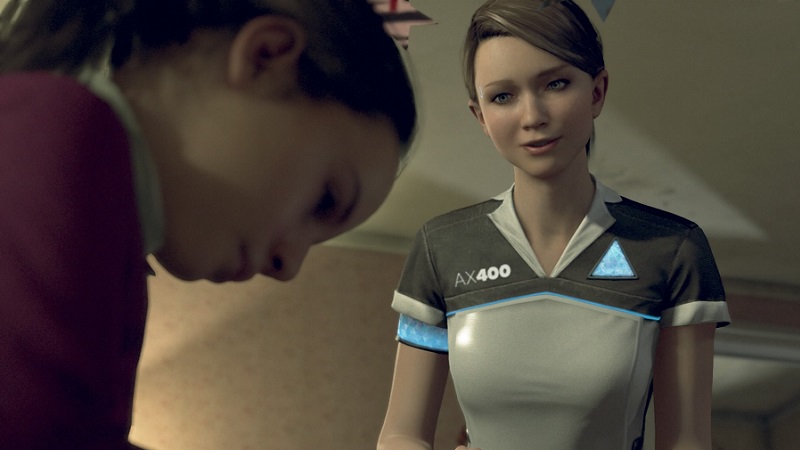
While each character is connected to the main storyline, each is also contained and enlightens players to their own agenda. Each section requires a different set of skills, thought processes and reactions depending on which character you are playing, and the current circumstance. I should include here that once again Quantic have put together a formidable cast which ensures some of the best voice work and characterisation you will have ever seen or heard.
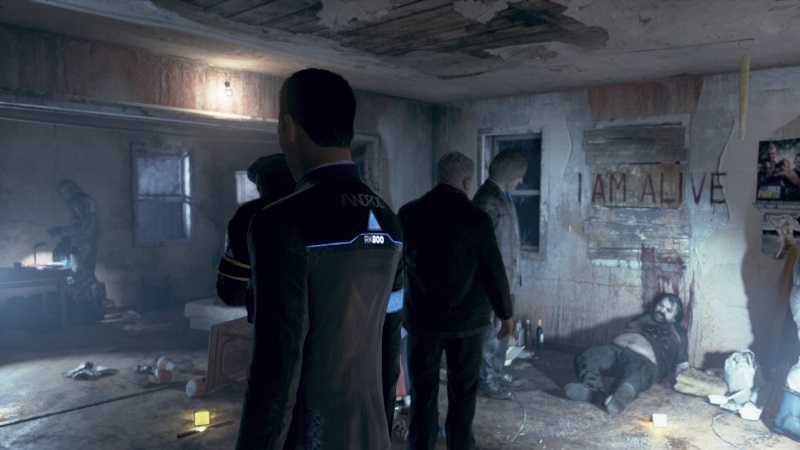
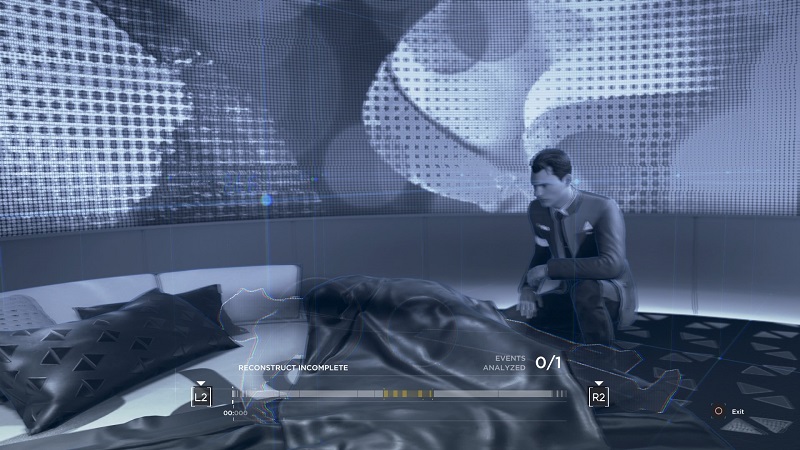
Connor’s (Bryan Dechart) skill set includes investigative measures such as analysing data, clues, possible scenarios and more at each crime scene. It’s a magnificent use of AI abilities and the game genuinely makes you feel as though you are an android using all your technical abilities to figure out what has happened. Solving the crimes is one thing, but equally important is Connor’s relationship with human Lieutenant, Hank Anderson (Clancy Brown). This partnership develops in an interesting manner, and depending on your choices can move in many different ways affecting many outcomes along the way.
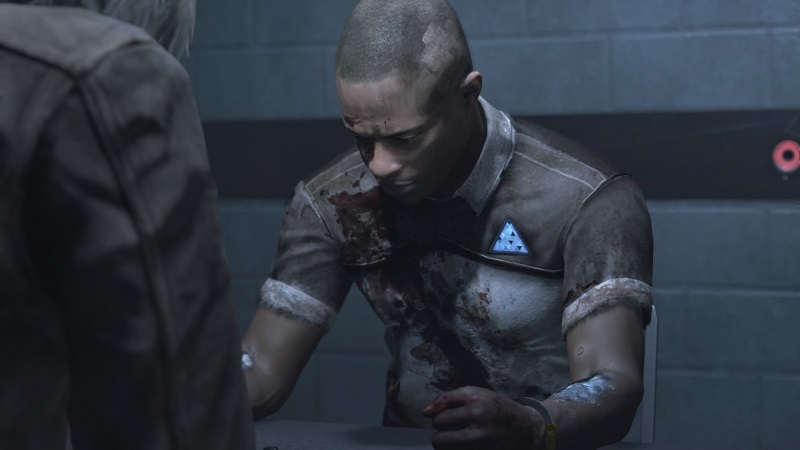
While Connor investigates, Markus (Jesse Williams) plays his part in the uprising as he attempts to discover himself, and give Androids some kind of freedom from their abhorrent slavery. His sections are filled with political agenda, as he and his comrades attempt to bring about change. Again, choices need to be made, action taken, and again the paths are numeruous, while the relationships established with each character plays a pivotal part in the overall story.
Lastly, there's Kara (Valorie Curry) and her journey with Alice. These sections are almost always filled with a real, raw intensity which constantly had me on edge, even when there is seemingly no reason for it. Perhaps it is the father in me, always wanting to protect, but there is something special about these interactions, where at times you simply forget that Kara is even an Android. Here you’ll need to make decisions based on what may affect Alice, more than anything else.
Flowchart 101
To describe more of the story or the characters would be a complete disservice to the game and anyone who plays it, but believe me when I say that the twists, turns, revelations, and developments are more impactful than you can ever imagine.
What does play a big part, and is worth mentioning is the branching story paths that can be taken. What works incredibly well in Detroit is that at the end of each section a flowchart is displayed showing the path you took and the other possible paths that are available. The trick here is that they are not filled out so if you want to see how else your playthrough could have gone, you will need to replay the game and various sections to witness the alternative outcomes. Some of the sections have four or five options and branches in the flow chart, while others only have two, but from my few reattempts at specific sections it is plain to see that a simple, singular branch change actually ends up changing the game, and your story, quite drastically.
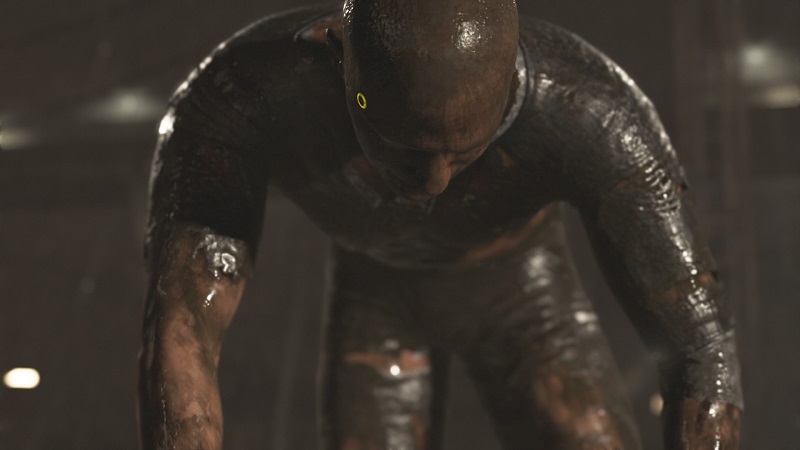
It’s not something new for a Quantic Dream game, to have these different outcomes, but compared to all those before it, I feel as though Detroit nails it far better than its predecessors with the various outcomes having a deep impact on the storyline, rather than just cosmetic changes and a different ending. I still need to play a number of the scenes again, but it does seem like there are far reaching consequences of different decisions, whether it be through your interactions and conversations with the various characters, or in your decisions and actions taken at key points in the game.
Intensity – Your Consequences have Consequences
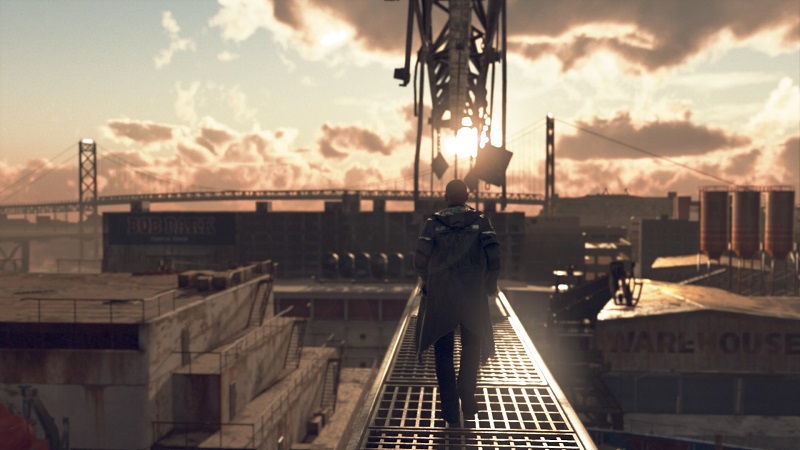
The knowledge that characters can die (not a spoiler, but something told to you when selecting a difficulty at the start of the game) makes the entire game feel a lot more intense throughout. While the game ensures you that there is no “right or wrong way, but only your way” to play, in almost every scene I had this ultimate sense of dread that I would make a “wrong” move, say the wrong thing, go the wrong way and make the wrong choice. It made me hyperconscious of my decisions and the path I wanted to go, but that wasn’t always easy.
Detroit throws out so many moral dilemmas that picking the right option is never clear, and while my utilitarian mentality tried to win out in my decision making, it certainly wasn’t always clear cut. These types of hard questions in games are what I live for, making it a wholesome experience from start to end, irrespective of any issues.
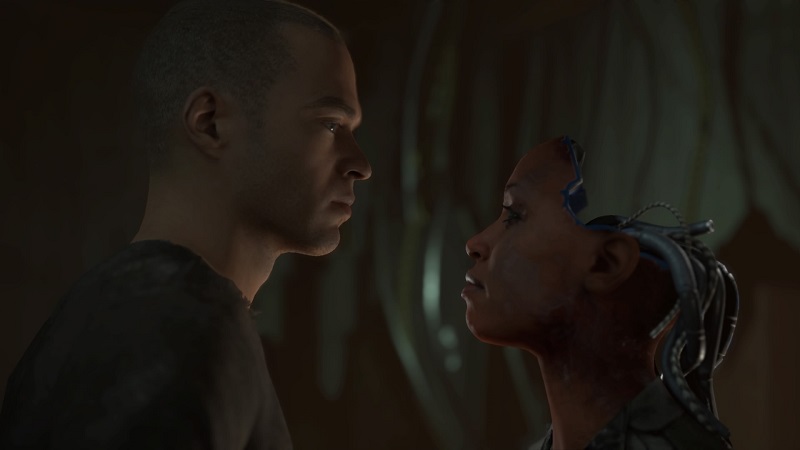
And Detroit does have its issues, if only minimal. For those who don’t like the QTE heavy mechanic of Quantic Dream games, you won’t be swayed here, it’s a similar formula. If you don’t like the sometimes over-dramatic sequences that build connections, you probably won’t find the game as endearing. But those are almost genre specific issues than anything else, and knowing your own limitations will inform you as to whether this is a game for you.
Become Human – Become Whole
Detroit: Become Human is a special game with an incredible cast with some of, if not the, most impressive performances I have seen in a game. Heavy Rain was the benchmark for me in terms of Quantic Dream games, and I think that Detroit may just have knocked it off its perch. The sense of tension, intrigue, dread and urgency is balanced gregariously with the sincerity and authenticity in the companionship throughout every scene until the game’s climax.
Detroit: Become Human is a visual and technical masterpiece combined with a deep, emotional narrative, wonderfully realistic characterisation in a world that may just exist one day. It may not be your standard idea of a video game, but as a video game experience it is undoubtedly one of the best I have played. The promise that the game will not be the same for everyone certainly stands true, and you owe it to yourself to see how your story plays out. Don't miss out on this wonderfully brilliant game.


There are 2 comments
 Tea
Tea


Please login to post comments.
More Reviews

Review: Fire Emblem: Fortune's Weave
It’s legitimately very hard to believe that it’s been seven whole years since Fire Emblem: Three Houses...
05-10-26 Read more
Review: Control Resonant
It’s been seven years since the events of developer Remedy Entertainment’s original 2019 Control title...
02-10-26 Read more

Review: Gears of War: E-Day
Xbox’s flagship Gears of War series has had a bit of an identity crisis over the last decade. After ...
01-10-26 Read more

Review: Gachiakuta
Gachiakuta took the world by storm when it first aired from July to December 2025. With its gritty animation...
28-09-26 Read more

Review: Elden Ring: Tarnished Edition (Switch 2)
What can I say about Elden Ring that hasn’t already been said? From Software’s magnum opus originally...
21-09-26 Read more
Review: The Blood Of Dawnwalker
Rebel Wolves’s The Blood of Dawnwalker has often been compared to The Witcher III: Wild Hunt from fellow...
15-09-26 Read more

Review: Marvel's Wolverine
When I think about some of PlayStation Studios’ most consistent developers, Insomniac Games always ranks...
10-09-26 Read more
Review: Dumb Ways to Build
Originally a public service announcement which discouraged the Australian public from thoughtless activity...
09-09-26 Read more

Review: Orbitals
Booting up Orbitals for the first time, I was immediately hit by a warm wave of nostalgia like the food...
08-09-26 Read more

Review: Onimusha: Way of the Sword
It’s a good year to be a fan of action games, and an even better year to be a fan of Capcom. After delivering...
31-08-26 Read more

Overview

Add to cart
Developer
Quantic Dream
Publisher
Sony Interactive Entertainment
Platform
PlayStation 4
Release date
25 May 2018