Latest Updates
Who's Online

Please sign in to add comments

Cart Contents
| Item: | Price: | Qty: |
|---|---|---|
| Total: R 0.00 | ||
User Content
Latest Poll
Review
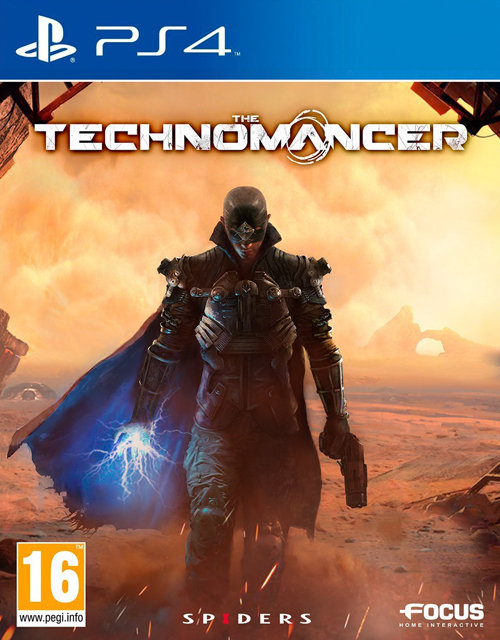
The Technomancer
Life on Mars? Almost.
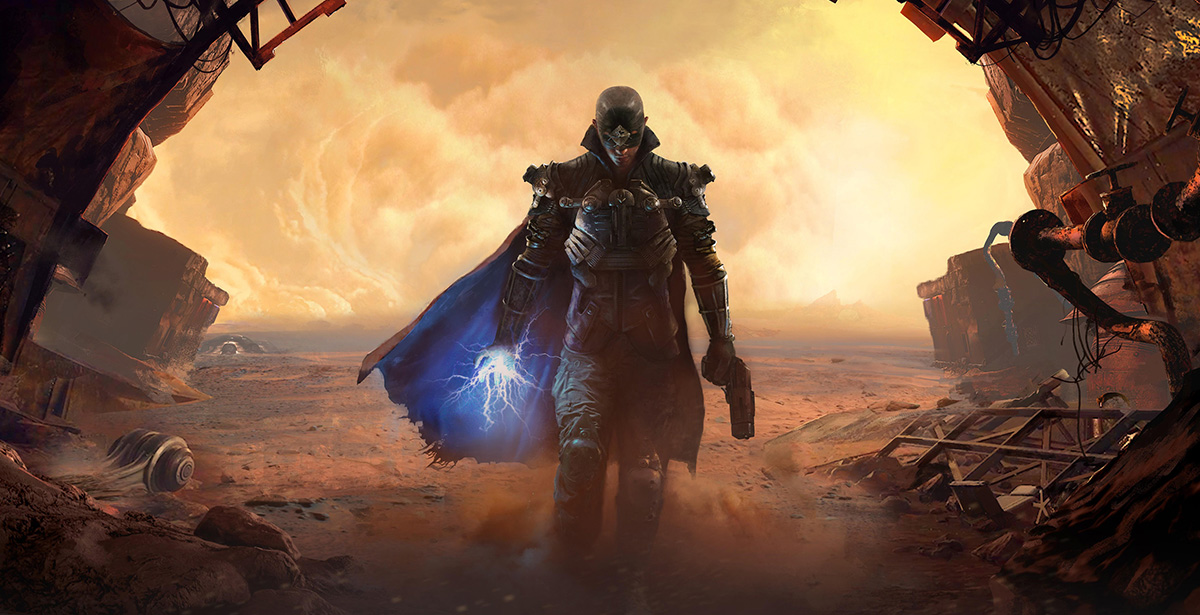
The latest cyberpunk RPG from Spiders is, without doubt, their most refined and polished game to date. The Technomancer serves as a massive expansion to both the story and gameplay mechanics established in the 2013 mini-RPG Mars: War Logs. It is just a pity that while at times great, it still suffers from exactly the same flaws that have plagued Spiders’ previous RPG titles. Spiders have always been a consistent “AA” developer, without the huge teams and budget of their competitors, but this is no excuse for making terrible design decisions over and over again.

The ruins of the early Mars settlers are far more interesting to explore than the poorly designed hub cities.
The Technomancer kicks off by introducing the player to Zachariah, the male-only lead character with a small number of customization options. Zach is an initiate Technomancer in the water megacorporation “Abundance”, the equivalent of an authoritarian nation-state, one of many fighting for control of Mars’ limited resources. A massive cataclysm, generations prior, severed contact with Earth and disrupted the orbit of the red planet, making life difficult for already resource-strained settlers. It is a world in which corporations battle endlessly for territory, using basic shock troops supported by the titular Technomancers who have the ability to channel electricity.
It is just a pity that while at times great, it still suffers from exactly the same flaws that have plagued Spiders’ previous RPG titles.
During the prologue - an initiation mission led by Zachariah’s jaded mentor and father-figure - the player is introduced to the ravaged Martian surface. Littered with settler ruins, opposition soldiers, opportunistic bandits, and mutated wildlife. It makes for a great opening, introducing the setting, key political players in the world, all the gameplay mechanics, and some great visuals and audio. Unfortunately, the following act is a real drag. From a story perspective it works: introducing future companions, triggering events that influence later acts, and contains some unexpected twists. However, the convoluted level design of the starting-city, Ofier, coupled with terrible quest pacing, does its best to ruin the entire game by displaying zero-regard for a player’s time.

Dialogue is neither very branching nor complex, but the major characters are well voiced and there’s plenty of extra details to extract.
I believe first impressions are definitely important in videogames and unfortunately, The Technomancer really only kicks off in the second act. After the enjoyable prologue, the first act was a tedious seven hour slog that reminded me of the early Citadel section in the first Mass Effect. The second act finally captures the spirit the developers seem to be aiming for – exploring the wild Martian surface, gathering a diverse posse, and making decisions that affect future alliances. Sadly, you must still return to the city of Ofier repeatedly, especially at the end of the penultimate act, and it remains frustrating to navigate throughout. Once away from hub areas, the missions take place in more detailed, more linear areas that again reminded me of the mission structure in Mass Effect. Interactions with major NPCs feel well-written – even if most conversations are not branching – and always provide some context for the tasks you are given. For those who have played Mars: War Logs, the game slowly incorporates the events of that game into the narrative and eventually introduces a few old characters.
The second act finally captures the spirit the developers seem to be aiming for – exploring the wild Martian surface, gathering a diverse posse, and making decisions that affect future alliances.
Companions – all of whom admittedly fit broad stereotypes – have complex and often interconnected backstories. Each companion has a string of quests associated with them that can change their personality and offer the potential for romance, something handled with more believable narrative and pacing than any recent RPG I could think of. Picking the right companions for an encounter also provides unique interactions with certain NPCs and allows the player to use their companion’s talents to resolve situations they may not have the skills for. Some companions may even be lost altogether depending on player choice. Admittedly, The Technomancer is not a game of subtle branching paths or wildly unexpected outcomes. Rather, the choices you make feel immediately impactful and affect which groups will support you near the end-game. The ending itself was much better than I expected, taking the common slideshow-style approach and summarizing the player’s entire story, incorporating major decisions along the way, and describing the outcomes. It came across as well-written and precise, providing solid closure for the events of the game.
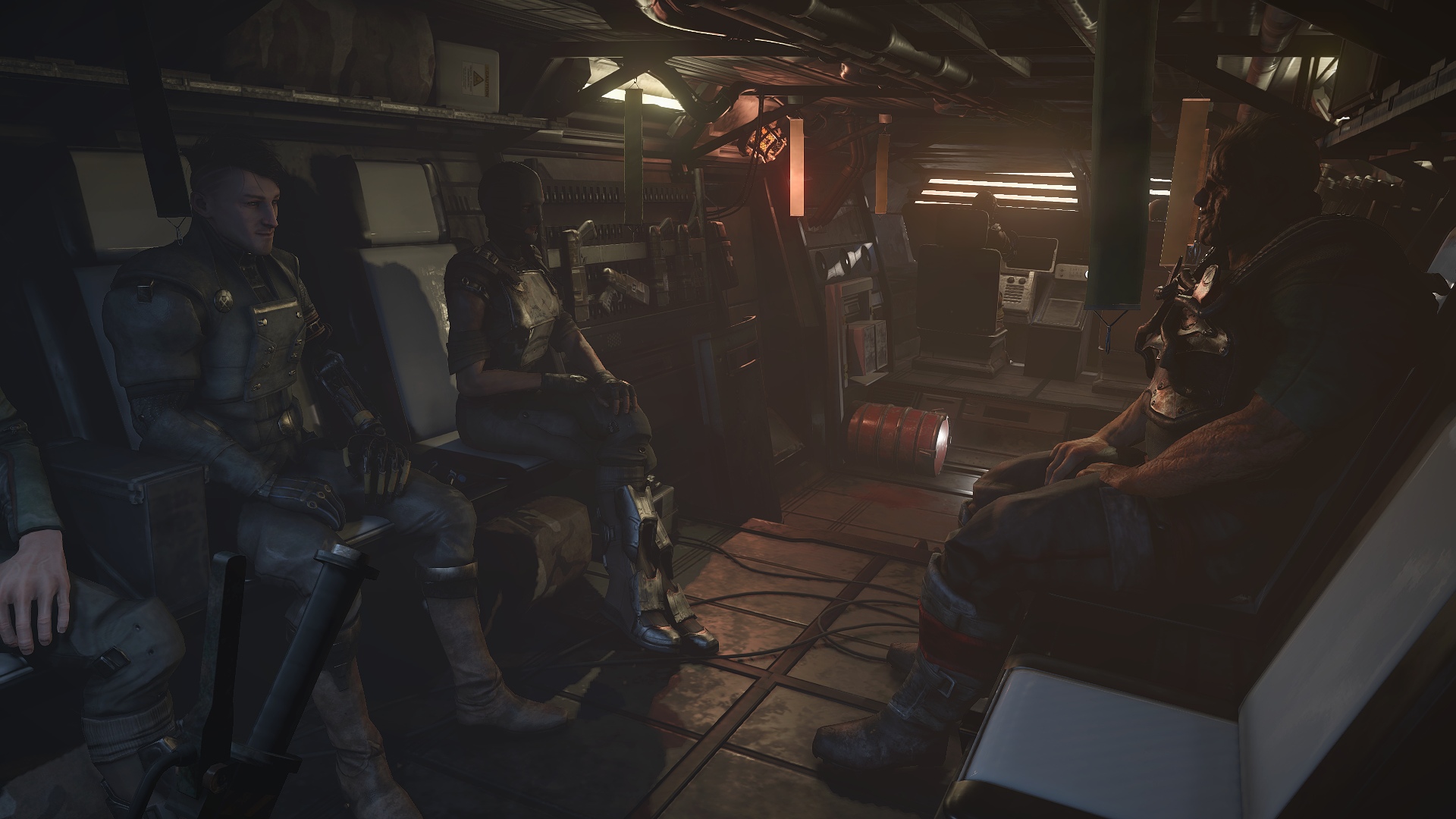
You eventually acquire a diverse crew. Companion banter when travelling between missions is an excellent idea that needs to be emulated in more games.
The setting, characters, and unfolding story are by far The Technomancer’s strengths. Gameplay, on the other hand, is a real mixed bag. Spiders have used an almost unchanged combat system across their games for years and this iteration finally does a decent job of blending RPG-stats with skill-based action. With three potential combat styles – slow mace-and-shield tank, nimble blade-and-gun DPS, staff-wielding AOE attacker – a player may pick a style that suits them, or mix and match as needed. Technomancy (think lightning magic) can be used offensively or to bolster your combat styles.
Each companion has a string of quests associated with them that can change their personality and offer the potential for romance, something handled with more believable narrative and pacing than any recent RPG I could think of.
Skill-trees for each of the three combat styles and technomancy expand with each level gained. Alongside these combat-focused upgrades are four attributes – necessary to equip specific gear and boost combat styles – and talents, which typically offer non-combat solutions to quests through the use of dialogue, stealth, and lockpicking. It’s a fairly simple system and one that rewards focus in a single style, rather than a jack-of-all-trades approach.
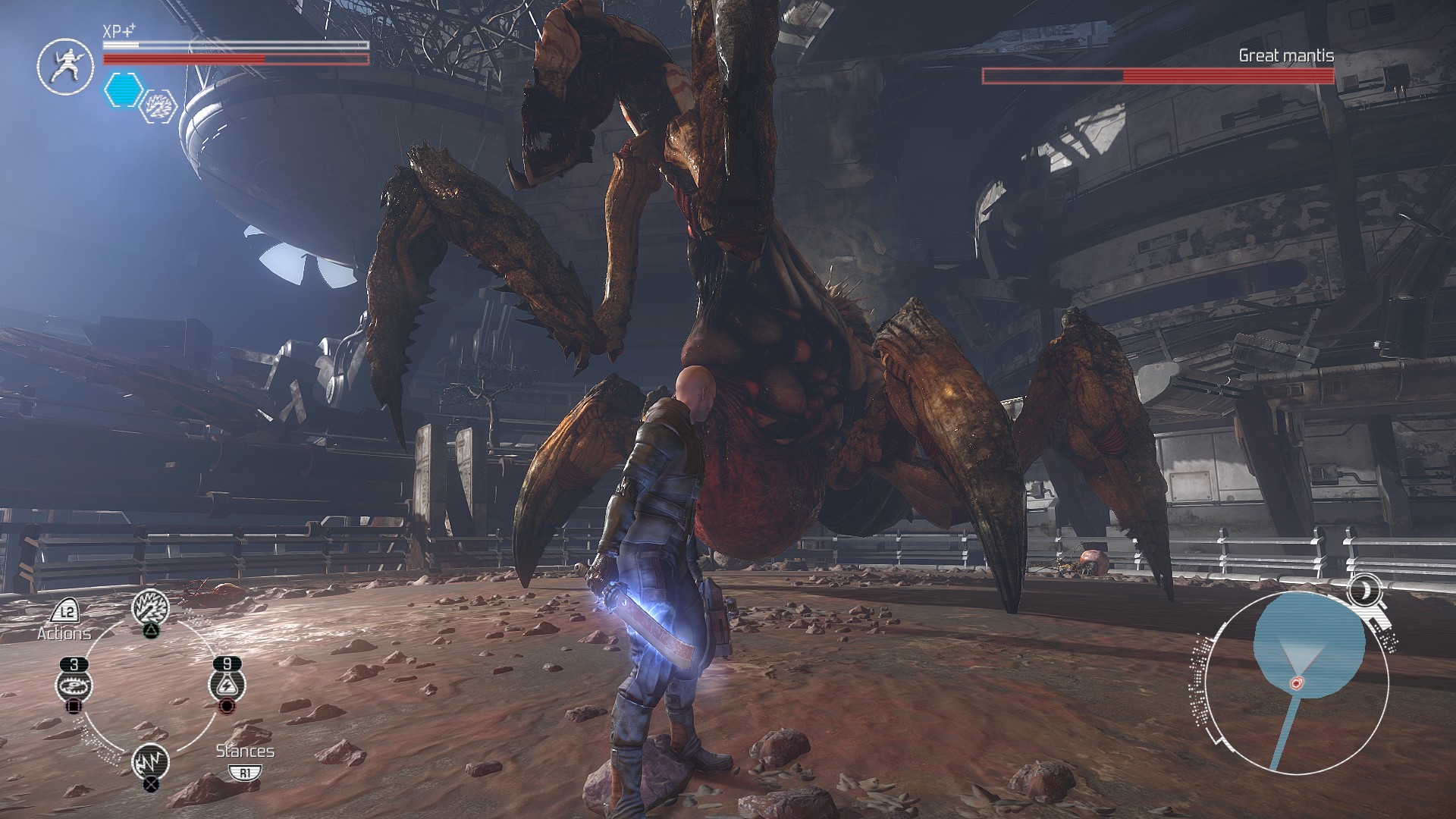
Although it is almost impossible to max-out all the combat styles, each is well suited to specific encounters. Staying nimble when facing a giant mantis is essential.
Crafting of gear and upgrades is straightforward; multiple tiers of gear are available to those with a high enough talent level. Scrap material used in crafting is found generously in the environment, looted from fallen opponents, or salvaged from unused gear. Each tier produces better gear and more powerful versions of mods, with no time wasted trying to synergize certain gear, nor any reason to hang on to low-tier gear. It sounds simple and underdeveloped compared to many other RPGs, but it’s perfect for the 25+ hour experience.
Spiders have used an almost unchanged combat system across their games for years and this iteration finally does a decent job of blending RPG-stats with skill-based action.
While they possess preferred combat styles, companion skills can be fully customized and they can be outfitted with almost every item. This allows the player to ensure their companions complement their play style. Completing major companion quests also grants the player talent bonuses which normally unlock at a much slower rate than combat skills.
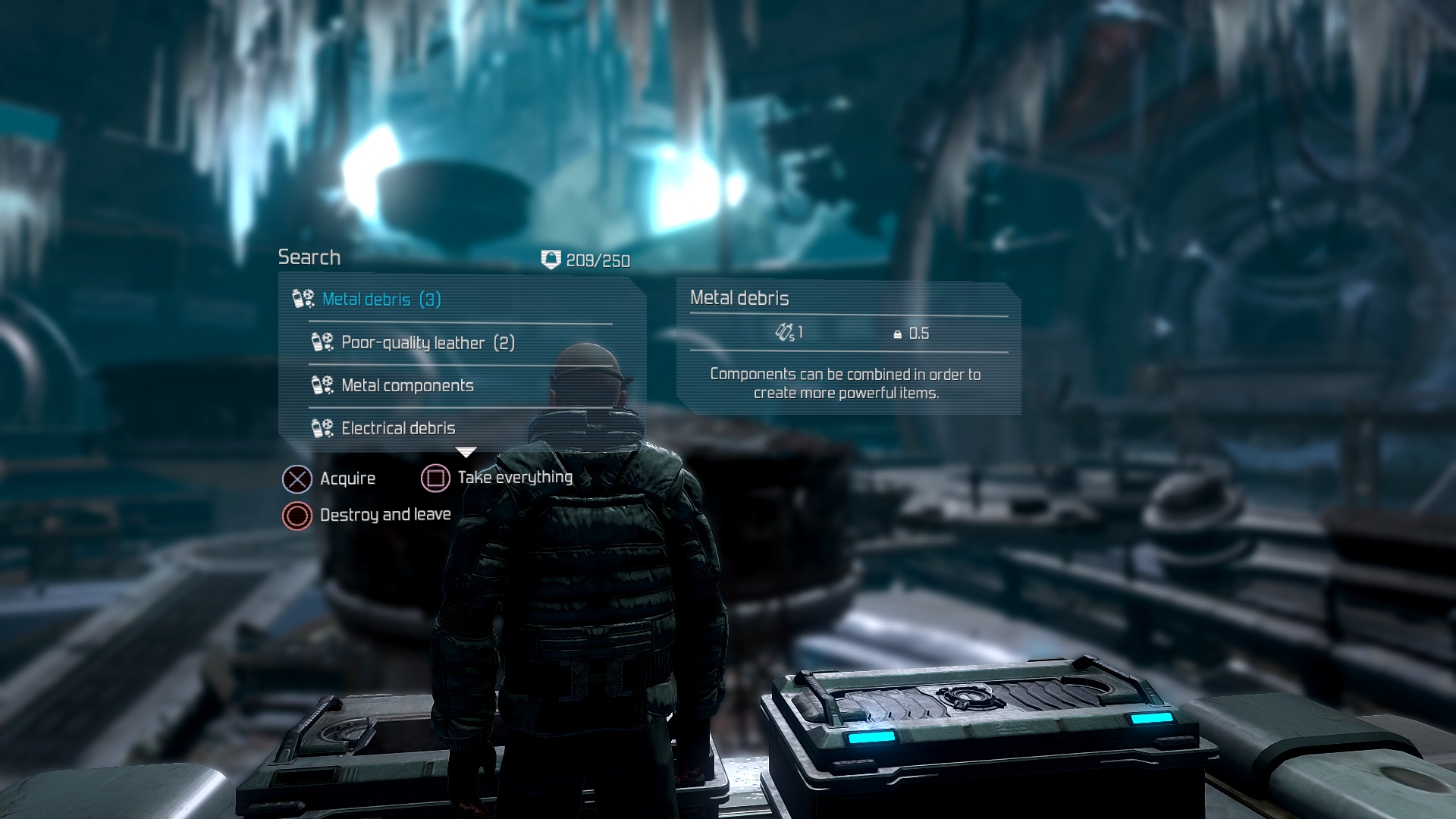
The game has only a few unique pieces of gear with a greater focus on player-crafted gear. Thankfully, crafting material is found everywhere in the environment.
The Technomancer succeeds in terms of presentation more often than not. It has numerous rough patches but, overall, the visuals, audio and distinct soundtrack provide a great atmosphere. Visually, textures can look blurry and animations stilted; however, the great lighting effects mask a lot of this. Cities are bathed in radiant artificial light, whereas the surface is explored at sunrise and sunset, with the harsh Martian sun flaring just below the horizon.
Dialogue is done well with characters’ voices matching clearly their mood and situation. Zachariah is particularly well-voiced throughout and manages to never come across as a generic smug wazzock, an increasingly common trend with voiced - typically male - RPG protagonists. The rest of the clichéd cast don’t stray too far from their defined roles, yet I never found any dialogue cringe-worthy. When travelling between map locations, the game cuts to a scene of the cast in their rover vehicle, often discussing the present mission or consequences of a previous mission. It is a really great mechanic that keeps the player up to date with events and allows the player to observe their companions growth over the course of the story.
Zachariah is particularly well-voiced throughout and manages to never come across as a generic smug wazzock, an increasingly common trend with voiced - typically male - RPG protagonists.
Combat audio is unremarkable – limited mostly to heavy impacts, gunshots, the crackle of electric arcs, and grunts of pain – but it is the music that I remember fondly. Synth-heavy, typically electronic tracks provided a distinct feel to each major location and had me (once again) thinking back to the first Mass Effect. Unfortunately, cutscene direction often leaves a lot to be desired and a big part of the problem is jarring transitions between music tracks. This leads to certain scenes failing to generate the emotional response that they are desperately trying to convey.

You’ll eventually get to travel to decent selection of attractive looking locales.
I’ve often thought about The Technomancer since completing it, and have settled on it being a worthwhile, memorable, but ultimately average, adventure. Not average in the sense it does nothing particularly well, rather that its many high points are coupled with an equal amount of lows. There was a lot of potential for the IP, with a great setting and extensive lore, but unfortunately some poor design choices keep the game feeling like it has been released a few years too late. With some better level design, a few hours of filler shaved off, and better cutscene direction, The Technomancer could have been an excellent RPG. Regardless, it’s still worth recommending to RPG fans – especially those that enjoyed Mars: War Logs – for its setting, characters and narrative.


Please login to post comments.
More Reviews

Review: Elden Ring: Tarnished Edition (Switch 2)
What can I say about Elden Ring that hasn’t already been said? From Software’s magnum opus originally...
21-09-26 Read more
Review: The Blood Of Dawnwalker
Rebel Wolves’s The Blood of Dawnwalker has often been compared to The Witcher III: Wild Hunt from fellow...
15-09-26 Read more

Review: Marvel's Wolverine
When I think about some of PlayStation Studios’ most consistent developers, Insomniac Games always ranks...
10-09-26 Read more
Review: Dumb Ways to Build
Originally a public service announcement which discouraged the Australian public from thoughtless activity...
09-09-26 Read more

Review: Orbitals
Booting up Orbitals for the first time, I was immediately hit by a warm wave of nostalgia like the food...
08-09-26 Read more

Review: Onimusha: Way of the Sword
It’s a good year to be a fan of action games, and an even better year to be a fan of Capcom. After delivering...
31-08-26 Read more

Review: Spa Weekend
I was invited to attend an exclusive preview screening of the film Spa Weekend on August 20th at Sandton...
21-08-26 Read more
Review: SanDisk Extreme Fit USB-C Flash Drive (128GB)
The SANDISK Extreme Fit USB-C™ Flash Drive - 128GB is something that you might not even believe exists...
21-08-26 Read more
Review: Ground Zero Hero
It’s not often that a game comes around with the ability to grip you into a mindless cycle of absolute...
19-08-26 Read more

Review: Marvel Tokon: Fighting Souls
You know, if anybody was going to make a Marvel themed arcade fighting game in 2026, I’m glad Arc System...
18-08-26 Read more

Overview
Add to cart
Developer
Spiders
Publisher
Focus Home Interactive
Platform
PC, PlayStation 4, Xbox One
Release date
28 June 2016