Latest Updates
Who's Online

Please sign in to add comments
 Sheesh I am Sooooo excited about the new fable game....
 Huge applause all around and somebody just promoted.

Cart Contents
| Item: | Price: | Qty: |
|---|---|---|
| Total: R 0.00 | ||
User Content
Latest Poll
Review
The Witcher 3: Wild Hunt
The Child of Surprise

The Witcher 3: Wild Hunt brings together an epic story and vast open-world in an action RPG that will take hundreds of hours to complete, and you’ll love every second of it. When I first got the game I played it through within a month, and upon reaching one of the less-desirable endings, promptly started a new campaign. Over 400 hours of gameplay later, I can safely say that not only is this a wildly addictive experience, it’s one of the best games I’ve ever played.
The Witcher game franchise is built on the basis of the books (originally the Wiedźmin series in Polish) written by Andrzej Sapkowski. The games, according to both the developers and the author himself, are faithful adaptations of the books, and the stories and characters found within them, rather than a continuation of the story. This being the third instalment, the first two games have taken an already rich-in-lore universe and added their own depth and story threads. The games complement the books perfectly, and avid fans can enjoy both without feeling one experience cheapens the other.

Sunsets and Sunrises can be awe-inspiring
This is the first time that the Witcher franchise is coming to PlayStation (previously only on PC at first, and later Xbox 360 with a port of the second title), and as such it has many newcomers to cater to. Thankfully, CD Projekt RED have done an excellent job at catering to both newcomers and veterans of the series alike. For newcomers, the game comes with a Witcher Universe Compendium booklet, which serves as a condensed series of bios on the characters and offers a brief explanation for the context of the world in which you find yourself. On top of this, during gameplay, NPCs often work story recaps into dialogue seamlessly, which also works as a refresher for those who haven’t played the previous instalments recently. For those who are migrating their Witcher experience to current-gen consoles from PC or Xbox 360 (meaning you can’t rely on previous save files), the game has a lovely little “simulate Witcher 2 save” feature. If you opt for this, it triggers an in-game scene where Geralt, your main character, is questioned on events and choices from previous games by an NPC. If you want, you can opt out of this and play with a world state “as CD Projekt RED intended it”.
I can safely say that not only is this a wildly addictive experience, it’s one of the best games I’ve ever played.
The story is deceptively deep, in that certain verbal and character clichés are present, almost disguising the subtlety and nuance found in the character and story writing. Geralt tries to project the persona of a gruff, coldly professional Witcher – a monster killer for hire. For those who play this superficially, that’s what you’ll see, but if you give it a proper think, you’ll see Geralt is someone who cares more about what is right than what the financial reward is. His character depth becomes more evident the more time you spend with him, playing as him. He’s a remarkably relatable character, with a razor-sharp wit and a nuanced personality. He cares deeply about what’s right, defending the weak and the persecuted, but he also knows his limits in this regard. He’s been conditioned to be a professional, and this is often his inner struggle, which you get to partake in first hand. You can either perpetuate the cool demeanour, or you can show you care, just by your dialogue choices.
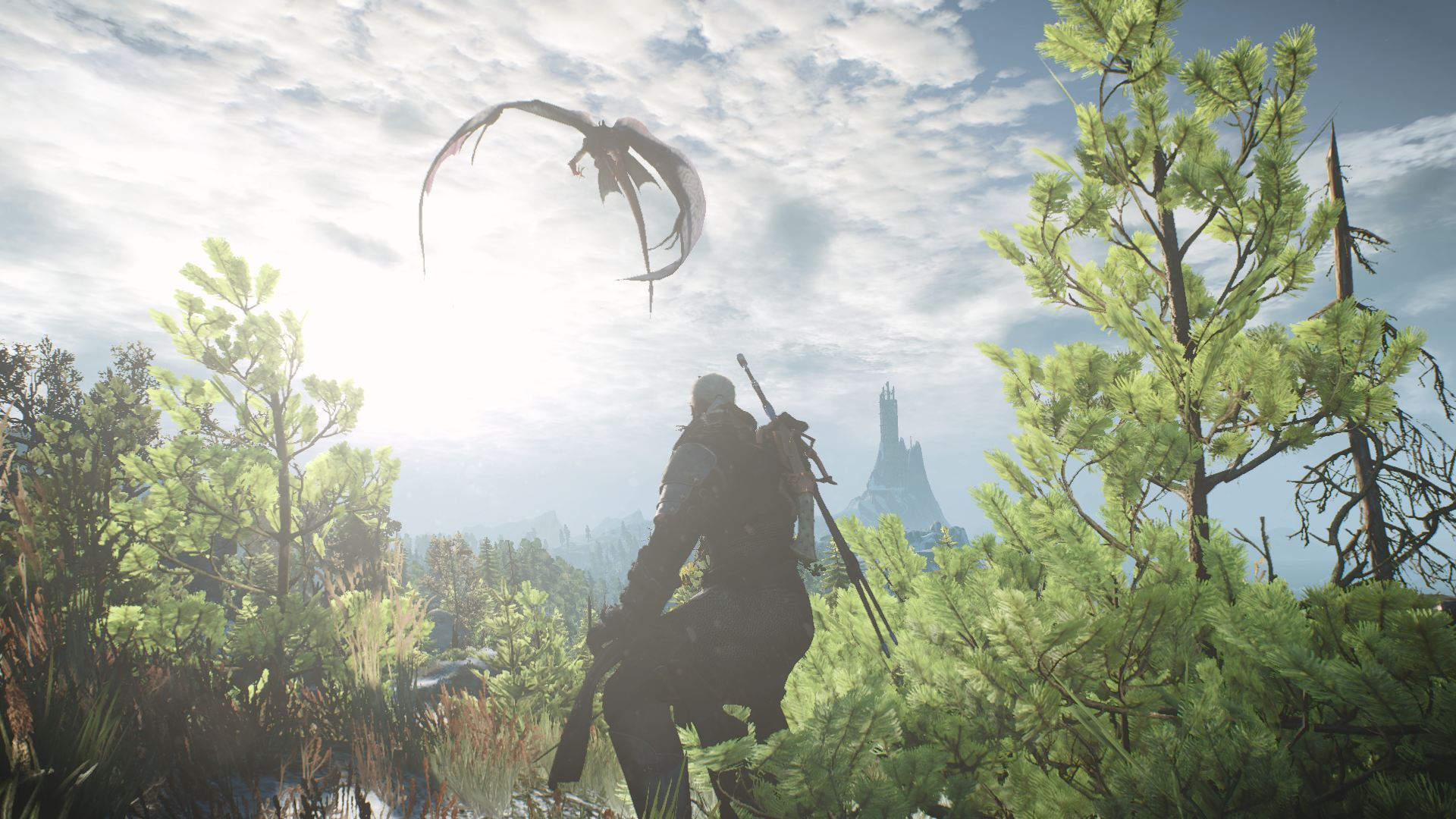
Enemies come at you from land, water, and sky
As with any RPG, the dialogue is a vital aspect to story progression and final outcome. The visual cues for the importance of certain pieces of dialogue are amazingly subtle, except for the occasional timed response. Every now and then, you’ll have to quickly respond to a question or remark, and if you don’t, the game will choose for you. These responses can have immediate effect, or far-reaching consequences. With a single line of text, you can determine the fate of a realm – and you won’t even know it until much later, when it’s far too late to change anything. Even side missions can have a final effect on the outcome of the fate of the Northern Realms, so you have to choose wisely. The reality is that Geralt, to his great consternation, is an unwilling King-maker. For those with little RPG experience, dialogue is detailed and can sometimes be frustratingly obvious. This isn’t necessarily a flaw, but it requires some patience with certain formats of the genre. The Witcher 3 might have some hopelessly obvious moments, but the overall experience would be nothing without the excellent dialogue systems put in place by the developers, and the build-up to certain fateful phrases.
The supporting characters are also well written, with good continuation of established personalities, and excellent introductions for those we’re less familiar with. The air of familiarity is important to establishing the atmosphere and mood of the game. As mentioned before, recaps are worked seamlessly into dialogue and scenes. The player is never spoon-fed and spoken down to, nor are you left completely in the dark. A fuller appreciation can definitely be felt by those who are not only familiar with the previous games, but the books themselves. If you’re not one to whip out a book and read for the fun of it, the Witcher 3 comes with a glossary, including lengthy profiles on characters you meet.
The player is never spoon-fed and spoken down to, nor are you left completely in the dark.
The lore found in the Witcher 3 is rich and detailed. Within the glossary you will find many entries on beasts, characters, and the context of the game. You’ll be doing quite a bit of reading both here and from books, letters, and scraps of paper you find around the world. So non-readers, beware.

Combat can be frenetic and satisfying
The vast open world is broken down into three main, impressively large maps, which you can fast-travel between as the story progresses. Icons for quests and things to discover populate the map densely, with a huge variety of activities to do. This is truly an adventure game, in the sense that the map is bigger than you’d expect, with very little in terms of boring and repetitive grinding. You can pick up quests through eavesdropping on NPC conversations, and by checking out bulletin boards in villages and towns. On these bulletin boards you find contracts for monsters, and pleas for help from those looking for a missing family member or friend. Side quests offer a lot in terms of variety, and usually each has a surprisingly well written individual story. This makes the world of the Witcher 3, whether in White Orchard, Velen, Novigrad, or Skellige, feel dynamic and alive. The only complaint here is that it might be possible that there is too much to do. In two playthroughs I only focused on a portion of the map for each, and I know there were still areas I hadn’t touched in either playthrough. For those who are bored of the standard open-world or sandbox formula with repetitive tasks and quests, this is truly a great strength of the game. Compulsive completionists might be the only ones who truly suffer here.
Adding to the dynamic and living feel of the world is the lack of enemy scaling on the map. There are no sectors with suggested character levels. It will happen that you’re just off on a mission, or wandering around exploring, when you happen upon an enemy far above your skill level. At these times it’s best to run, and run fast. The developers have added little red skulls on the status bars of these enemies, to help you realise that an encounter will spell your doom. For those who are more obstinate and like a challenge, I found that you can take these enemies on with success, if you are sufficiently prepared with the correct equipment, oils, potions, and if you have bags of patience.
Preparation is one of the key elements to this game. As a Witcher, knowledge of your foe beforehand is essential to success. The aforementioned glossary helps in this case, giving details as to the weaknesses and strengths of certain monsters. This is where your weapons, alchemy, and abilities come into play. Your basic weapons are your two swords: one silver, one steel. Silver for monsters, steel for humans (or anyone else, really). These can be upgraded through crafting and purchasing from merchants. Looting is present, but it’s the rare drop that will give you a valuable finished product. Crafting is essential to this game, and finding blueprints for weapons and potions is a fun part of the game in the form of scavenger hunt challenges, yielding significant rewards. Another little weapon you receive during the game is a crossbow, handy against quick-moving and aerial opponents.
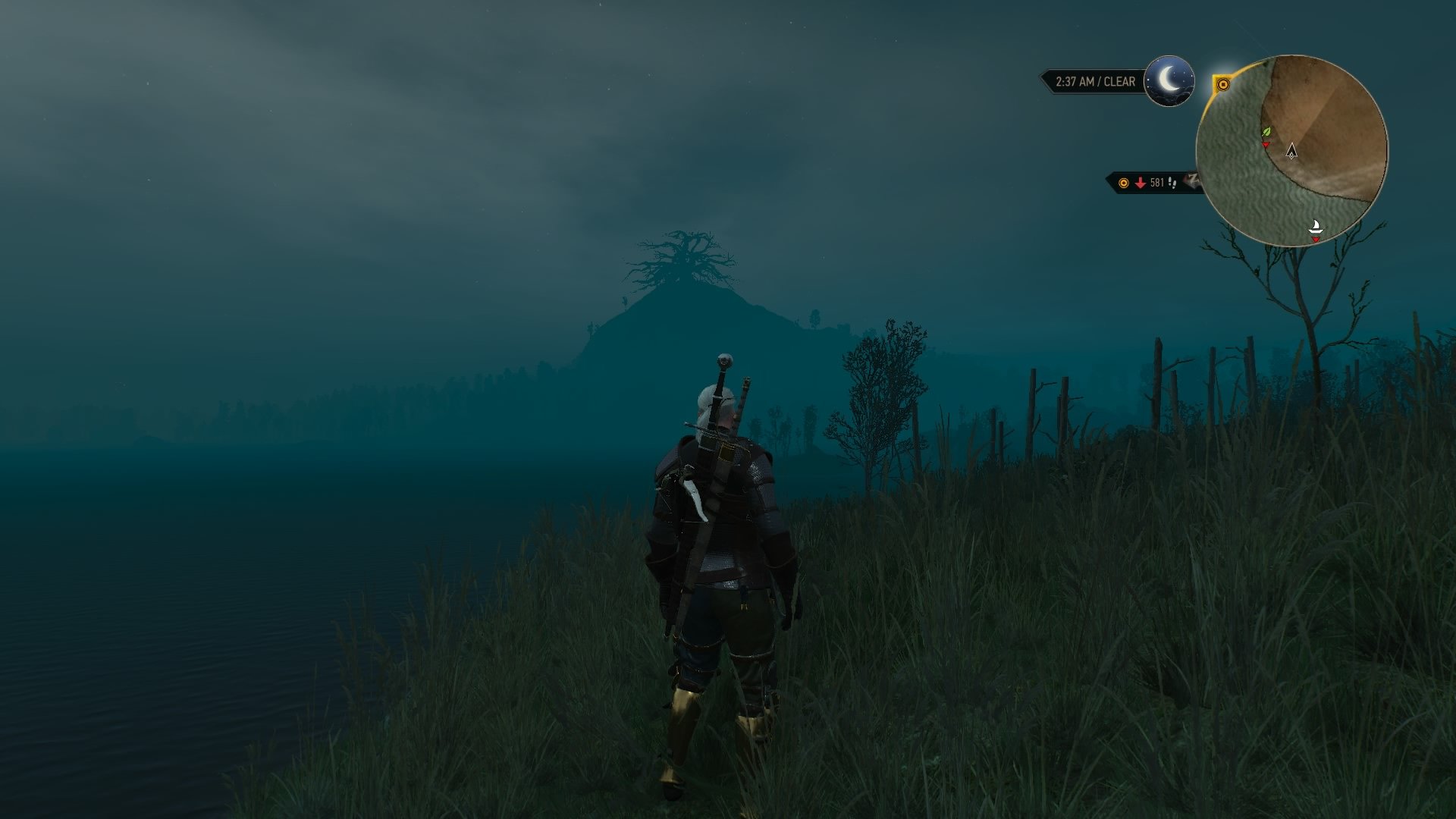
Night on Bald Mountain
Beside your swords, you have alchemy. This has two branches: potions and decoctions, and blade oils. Potions and decoctions go in Geralt for healing and physical enhancements, oils go on Geralt’s swords to deal more damage to specific enemies. Having the right potion on hand, and the right oil on your sword, can be the difference between success and failure. Beyond healing, potions are handy to enhance Geralt’s abilities,or to give him an advantage over a specific foe. For instance, when facing a vampire, make sure you have a vial of Black Blood available, making your blood injurious to the monster.
Then come the abilities. These are unlocked with your skill points as you level up. You have three categories to upgrade, and twelve slots, broken into four sections, to assign them to. Each group of three abilities has a slot next to it for mutagens. These are harvested from monsters, and provide boosts and perks to certain abilities loaded into the appropriate slots. The three categories of abilities are: Combat Abilities, Signs, and Alchemy. The simplest is Combat abilities, which give you physical enhancements in fights. As you upgrade certain areas you can deal more damage, or endure more damage. With Alchemy you have enhancements to your brewing skills as well as the ability to increase Geralt’s tolerance to potions and decoctions, since they are all mildly (or in some cases, very) toxic.
Lastly, we have Signs, Geralt’s magical abilities. Witchers have very basic magical training, but don’t let that fool you, these are powerful tools in combat. There are five Signs to develop and focus on as you decide which complements your playstyle, the immediate situation, and more. Aard is a telekinetic ability, extremely useful in close quarters and for crowd control. Igni is the ability to use fire in combat, either in a wave similar to the impact wave of Aard, or as a stream of flame aimed at an opponent later in the game. Yrden is a magical trap formed on the ground, which can slow, and even deal out damage to enemies after an upgrade. Quen is a basic shield of protection, and can be upgraded to deal damage when struck, essential during later stages of the game. Axii is basic mind control, almost like the wave of a hand from Obi-Wan. This can cause enemies turn on their friends for short periods, and it’s immensely useful in dialogue throughout the game.
Clearly this game isn’t lacking in detail and customisation. Weapons and armour can be crafted using blueprints purchased from merchants or found on scavenger hunts. They can also be upgraded using runes, which give certain perks and boosts to stats or abilities, depending on the stone. Runes can also be crafted, creating more powerful variants. On top of the crafting and customisation, CD Projekt RED saw fit to let the player play dress up. You can even choose Geralt’s hairstyle and facial hair length by visiting a barber. If you don’t he’ll end up with a full beard, thanks to it growing dynamically in the game.

There are many secrets to discover
Gameplay is immensely satisfying as a third-person hack and slash. Combat involves a light attack, a strong attack, dodging, rolling, and parrying. This can all be complemented with the above Signs and potions. Timing is essential in combat, and attempting to just phone-in an encounter will leave you on the back foot and end in humiliation. Underestimate your foes at your own peril. Here is where the game shines, and is a perfect example of its deceptive depth. At first it seems simple, but as you progress you realise how much you can do with a sword, a dodge, and a well-timed parry.
You can even choose Geralt’s hairstyle and facial hair length by visiting a barber. If you don’t he’ll end up with a full beard, thanks to it growing dynamically in the game.
Visually, this game is a masterpiece. Lighting is dynamic and often breath-taking. Textures are detailed and have a visual style which creates a feeling of authenticity and realness, carrying a weight and friction about them. The detail-oriented theme here is evident, even when you merely glance at this game. You’ll see a lot of detail, but there is more you can miss. Every time I start this game up, I see it with new eyes.
One complaint I might have is that many NPCs, especially villagers, have recycled faces and voices. This is somewhat excusable when you consider the size of the game world and the resources available to the team (when compared to something like GTA V). It can often distract from the immediate scene, when you recognise a face you’ve seen before elsewhere.
Textures are detailed and have a visual style which creates a feeling of authenticity and realness, carrying a weight and friction about them
Aiding aesthetics is an amazing aural adventure of astounding nature. The sound and music of this game create an atmosphere which is difficult to describe other than perfectly unique to this experience. The score and soundtrack often took my breath away, especially in certain areas like Skellige, enough to bring me to a halt and just listen, while taking in the entrancing vistas. In a move that won me over, CD Projeckt RED included the soundtrack on a CD with the physical copy of the game. Beside the score, there is one particular moment where a character performs a bespoke song, which brings a tear to the eye even with the faint memory of the beauty of it.
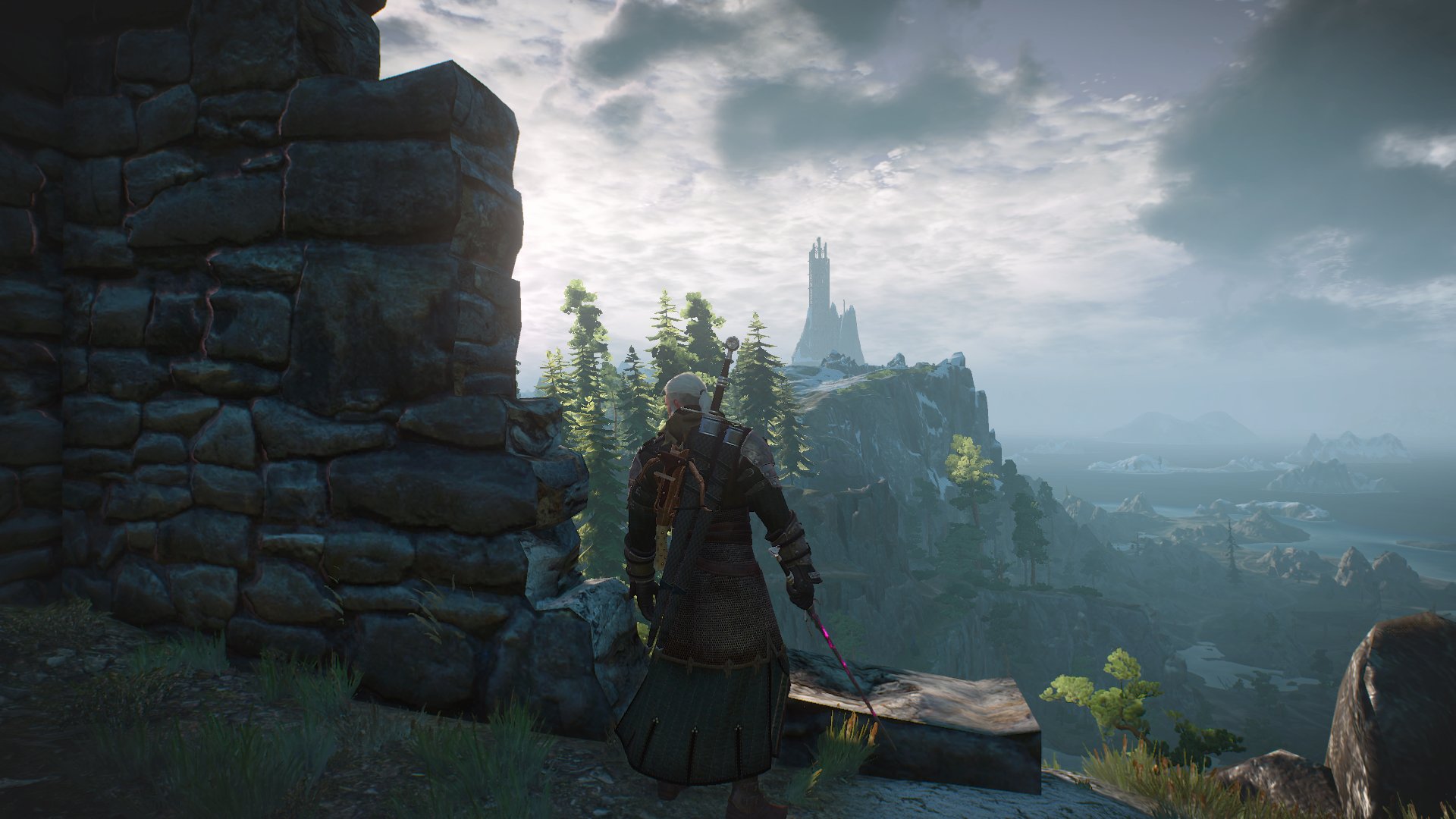
The Isles of Skellige are accompanied by eerie vistas and hauntingly beautiful music
It would be exceedingly easy to go on for many more paragraphs about what this game offers, and what makes it the perfect Game of the Year for 2015. Instead, I’d encourage the reader to pick up a copy of this game at the earliest convenience (if you haven’t already). With multiple free DLC packs and two large expansions, Hearts of Stone, and Blood and Wine, each with full stories and over 20 hours of gameplay, The Witcher 3: Wild Hunt got even better post-launch. If you can believe that.
In conclusion, The Witcher 3: Wild Hunt is a true masterpiece of a game. At first I was sceptical of review sites flagrantly giving this game 10 out of 10, but I’ve been won over. Excellent story, superb gameplay, and well-executed RPG mechanics are combined beautifully to provide an experience I will never forget. This game comes highly recommended to everyone, regardless of genre preference. Even in a year of exceptional gaming releases, this stands out in the hearts and minds of many a gamer as the best of 2015.


Please login to post comments.
More Reviews
Review: The Legend of Zelda: Ocarina of Time
Aside from annoying life-long Nintendo fans, the subtitle of this review serves to frame my perspective...
13-11-26 Read more
Review: Final Fantasy Resonance
I love a good JRPG as much as the next guy, but I tend to draw the line at mobile spin-offs, even if...
02-11-26 Read more
Review: Forever Ago
Forever Ago is the kind of compact, uplifting indie palate-cleanser I need between an endless supply...
29-10-26 Read more

Review: Clayface
The DCU started off on a decent note. We had a good Superman movie from James Gunn, The Penguin was ...
27-10-26 Read more
Review: Star Wars: Galactic Racer
It’s been a really long time since we’ve got a new Star Wars racing game so you can just imagine the...
27-10-26 Read more

Review: Phantom Blade Zero
It’s been a while since I’ve played an action game with combat as good as Phantom Blade Zero. Unlike...
26-10-26 Read more
Review: Wildwood
The creators and studio behind hit film Coraline (2009), Laika Studios, have done it again, this time...
22-10-26 Read more

Review: Valor Mortis
Now here’s an interesting combination. Developer One More Level’s (of Ghostrunner fame) Valor Mortis...
16-10-26 Read more

Review: Pixel Washer (Early Access)
There’s always something uniquely satisfying about games that’s sole focus is on making something that...
14-10-26 Read more
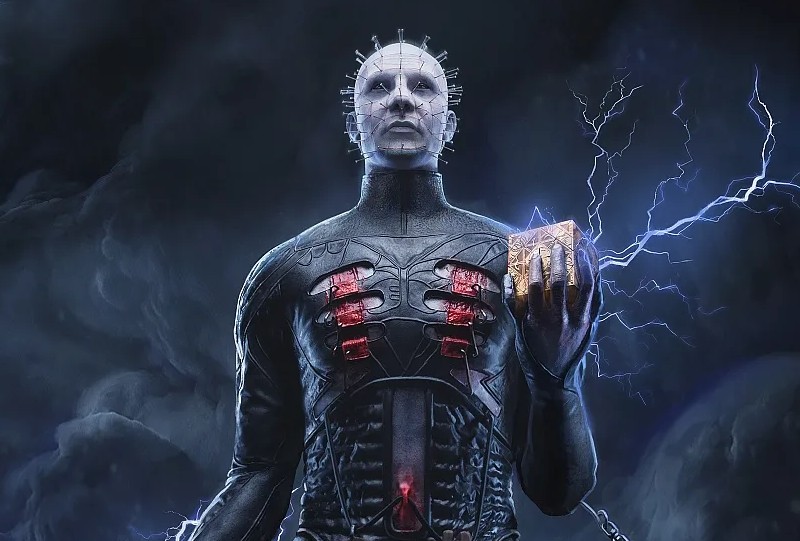
Review: Hellraiser: Revival
I’ve been a fan of the Hellraiser movies ever since I snuck a VHS rental (yeah, remember those?) of ...
13-10-26 Read more

Overview

Add to cart
Developer
CD Projekt RED
Publisher
Bandai Namco (PAL Regions)
Platform
PC, PlayStation 4, Xbox One
Release date
19 May 2015