Latest Updates
Who's Online

Please sign in to add comments

Cart Contents
| Item: | Price: | Qty: |
|---|---|---|
| Total: R 0.00 | ||
User Content
Latest Poll
Review
Review: Hyrule Warriors: Age of Imprisonment
Tears don't fall.

Back when Hyrule Warriors: Age of Calamity launched, it quickly became one of my favourite Musou-style games out of this surge of Dynasty Warriors-inspired action titles from Koei Tecmo. It certainly wasn’t perfect but its familiar, frighteningly addictive combat system and awesome sense of progression kept me hooked. Now with the launch of Age of Imprisonment, Nintendo attempts to strike a winning blow as hard as Age of Calamity.
Without spoiling too much, Hyrule Warriors: Age of Imprisonment is set before the events of The Legend of Zelda: Tears of the Kingdom, making it officially canon to the lore. Princess Zelda has been whisked into the past where she meets King Rauru in the earlier years of Hyrule’s establishment. This also means Ganondorf’s armies threaten to overtake the kingdom, so it’s up to Zelda and allies to fend off his encroaching forces while she learns more about the mysterious Zonai civilization first-hand.

Like most Musou action games, Hyrule Warriors: Age of Imprisonment doesn’t deviate far from the formula at all. You’re essentially still running between long corridors to wide open spaces in order to battle hordes of armies that clutter your screen like confetti. This time, Zelda takes centre stage as the protagonist of the main story, weaving between plots and events that will seem all too familiar for Zelda lore hunters looking for more context during the Imprisoning War. Along the way, you’ll also face against bosses, upgrade your weapons, gain new abilities based on those upgraded stats, and have a jolly good time absolutely decimating mobs of enemies in very stylish fashion.
It’s jam-packed with story from the get-go, filling in some of those crucial missing narrative elements that serve to bolster Tears of the Kingdom’s own story in fascinating ways.
While Age of Calamity was somewhat light in the storytelling department, Age of Imprisonment is the complete opposite experience. It’s jam-packed with story from the get-go, filling in some of those crucial missing narrative elements that serve to bolster Tears of the Kingdom’s own story in fascinating ways. We see things from Zelda’s perspective in the past – how events played out while on her travels with Rauru and company, and how Ganondorf’s legions seized pockets of Hyrule with an iron fist. All this to say the story in Age of Imprisonment is pretty darn good and very engaging - and if you’re a fan of Tears of the Kingdom, it’s unmissable if you want more meat on the bone of that game’s narrative.

Hyrule Warriors: Age of Imprisonment introduces a surprising amount of voice acting, driven by great performances from the main cast, including Patricia Summersett’s terrific acting as Zelda that makes her the quintessential voice of the character. Voice acting is solid across the board and actually got me invested in all the cutscenes – a great deviation from the main games’ floating speech bubbles and odd grunts.
The gameplay in Age of Imprisonment is incredibly fun, once again leaning on the pillars of Musou-style action games with a few interesting twists. The game incorporates a lot of unique elements from Tears of the Kingdom such as Zonai devices and most of Link’s abilities, mashing them together into a simple yet addictive combat system that feels great in motion. It’s flashy, sometimes over-the-top, and endlessly enjoyable, especially if you’re looking for another Dynasty Warriors fix that’s not shackled to One Piece or Persona.

The moment-to-moment action is punctuated by flashy combos, visual confetti exploding on-screen at every turn, and groups of enemies being tossed around like paper dolls. You’re essentially dodging around and constantly moving to create openings for hard-hitting counter attacks, all the while building up a meter that lets you tap into your character’s flashier special moves, rinse and repeat. It sounds repetitive on paper – and to many players not swayed by Musou action games, it’s going to get repetitive very quickly – but those who just want to kick back and enjoy a safe, overly simple action title that Koei Tecmo has finely tuned over the years, you won’t be disappointed.
The moment-to-moment action is punctuated by flashy combos, visual confetti exploding on-screen at every turn, and groups of enemies being tossed around like paper dolls.
Zelda is joined by allies that you can recruit in battle, though she remained the star of my playthrough. More often than not, these recruitable allies aren’t very memorable or useful outside of some abilities that you can utilize for devastating Sync attacks. There’s a level of strategy before each mission – not just in how you mix and match partners, but how you prepare with cooking to buff your stats as well as upgrade your weapons. Graciously, weapon durability is mostly gone - you aren’t scavenging for new weapons after every fight. Weapons are far more durable and you can upgrade them by collecting resources from missions or defeating strong foes. This also incentivizes you to tackle the game’s numerous (and I mean numerous) side objectives and missions off the main path. Your map will eventually become littered with new things to do, and I honestly didn’t mind because the core gameplay is so entertaining to begin with.

Where Age of Imprisonment kind of lost me was its level design. Sure, the world is basically Tears of the Kingdom again with a lot of familiar locations revisited or slightly tweaked to accommodate the action, but it also highlights the ever-present problem with Dynasty Warriors-style action games: a lack of variety or compelling level design. Running down corridors to get to the next battle zone becomes very tiresome after a while. Areas begin to blur together, especially in the Depths, and if you aren’t fighting in an area that has some significance to the lore and narrative, it all feels quickly cobbled together and visually uninteresting to look at.
It also highlights the ever-present problem with Dynasty Warriors-style action games: a lack of variety or compelling level design.
Another problem springs up with the game’s lack of variety when it comes to playable characters. This is pretty disappointing considering you had no shortage of new characters to play with in Age of Calamity, all picked from across the history of the franchise. Age of Imprisonment feels a lot more restricted in that department. It offers a few surprises and cameos here and there that I won’t spoil - it felt great to play as one particular character too – but so many of its additional playable allies felt weak by comparison, that I hardly took them out or bothered leveling them up as I relied on Zelda to carry the action.

Thankfully, where Age of Imprisonment really excels is in performance and presentation. I reviewed the game on Nintendo Switch 2. My jaw hit the floor when the game not only ran at a buttery smooth 60FPS, but it managed to keep up with the bombardment of action and enemies constantly on the screen without a hitch – a pretty stark contrast to the handful of static NPCs ghosting around Lumiose City in Pokemon Legends: Z-A. In co-op, the framerate drops to 30FPS but you barely take notice of it. There were very few instances of minor stutters but for the most part, it’s pristinely polished for the Switch 2.

Hyrule Warriors: Age of Imprisonment might not be as content-heavy or refreshing as Age of Calamity, but it fills in the blanks of Tears of the Kingdom’s narrative by telling its own compelling story that only adds to the expansiveness of the lore. The Musou-style combat is a bit of an acquired taste but for those that embrace it, it’s thoroughly entertaining – enough to carry you through some of the game’s weaker aspects like its underwhelming level design and uninteresting side characters. Age of Imprisonment, at its core, provides great bursts of fun that’s almost worth the price of admission in the end.
Nintendo Switch 2 Review code provided by Nintendo | Hyrule Warriors: Age of Imprisonment is available at Nexus Hub for R1,799


Please login to post comments.
More Reviews

Review: Elden Ring: Tarnished Edition (Switch 2)
What can I say about Elden Ring that hasn’t already been said? From Software’s magnum opus originally...
21-09-26 Read more
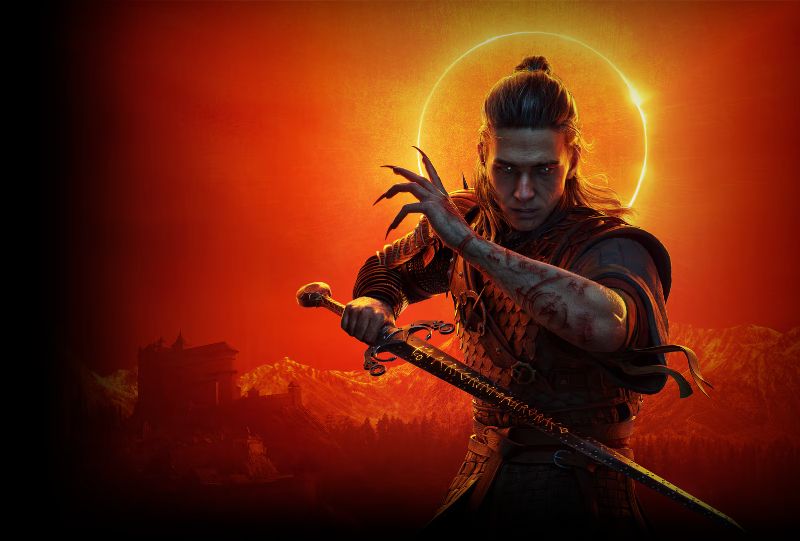
Review: The Blood Of Dawnwalker
Rebel Wolves’s The Blood of Dawnwalker has often been compared to The Witcher III: Wild Hunt from fellow...
15-09-26 Read more

Review: Marvel's Wolverine
When I think about some of PlayStation Studios’ most consistent developers, Insomniac Games always ranks...
10-09-26 Read more
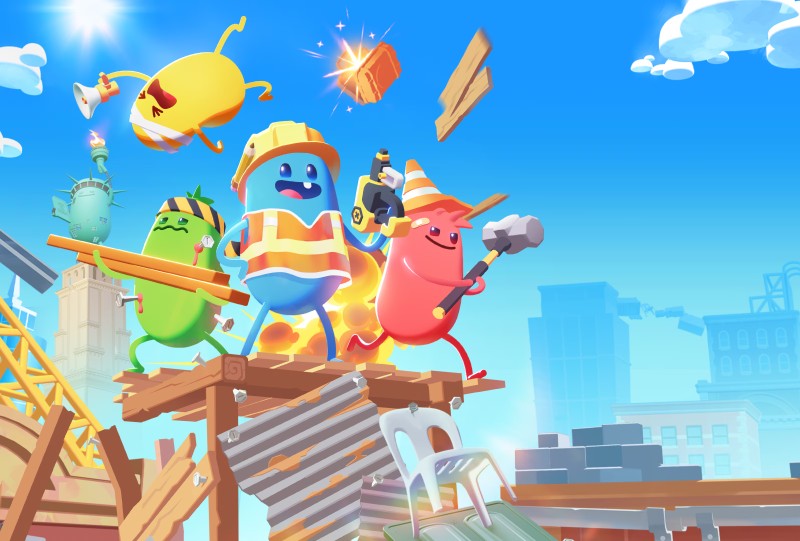
Review: Dumb Ways to Build
Originally a public service announcement which discouraged the Australian public from thoughtless activity...
09-09-26 Read more
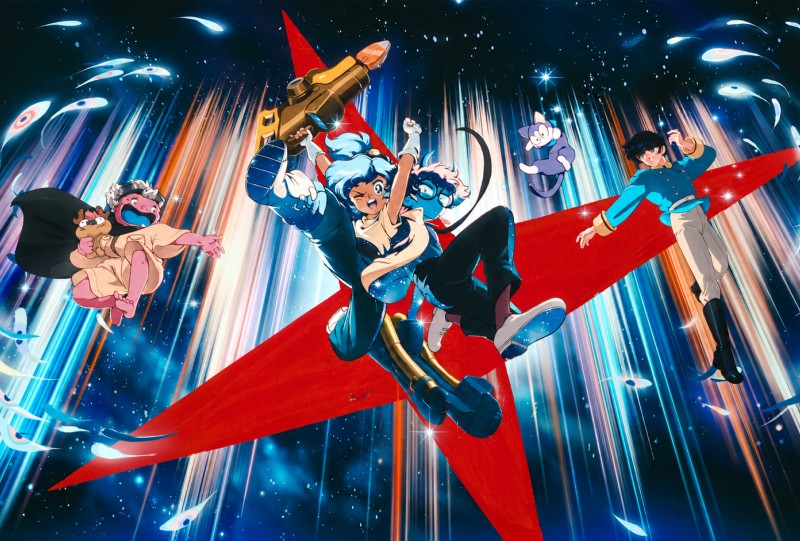
Review: Orbitals
Booting up Orbitals for the first time, I was immediately hit by a warm wave of nostalgia like the food...
08-09-26 Read more

Review: Onimusha: Way of the Sword
It’s a good year to be a fan of action games, and an even better year to be a fan of Capcom. After delivering...
31-08-26 Read more

Review: Spa Weekend
I was invited to attend an exclusive preview screening of the film Spa Weekend on August 20th at Sandton...
21-08-26 Read more
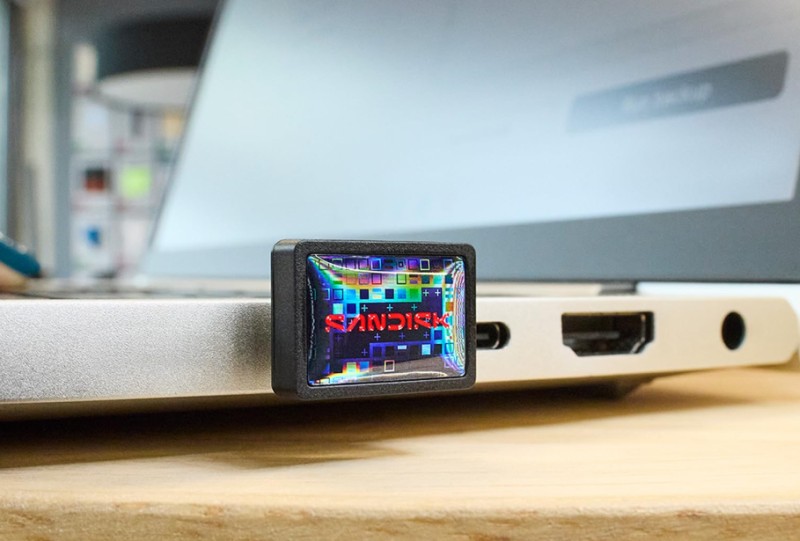
Review: SanDisk Extreme Fit USB-C Flash Drive (128GB)
The SANDISK Extreme Fit USB-C™ Flash Drive - 128GB is something that you might not even believe exists...
21-08-26 Read more

Review: Ground Zero Hero
It’s not often that a game comes around with the ability to grip you into a mindless cycle of absolute...
19-08-26 Read more
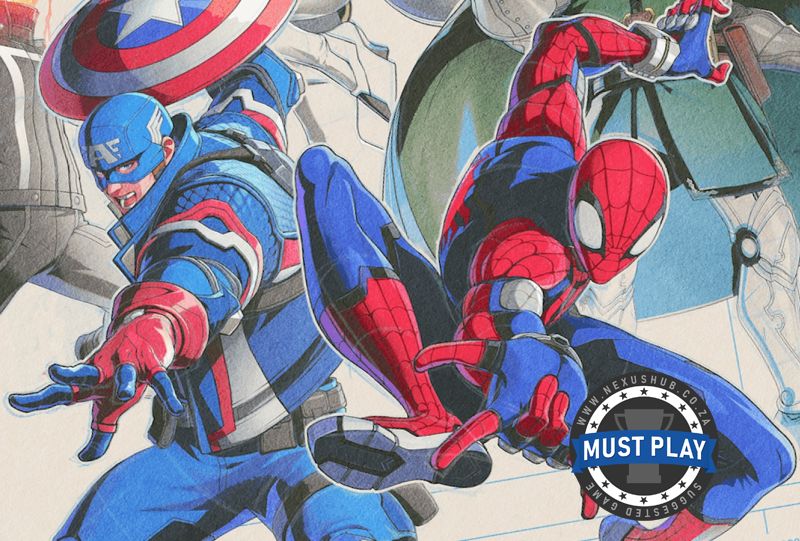
Review: Marvel Tokon: Fighting Souls
You know, if anybody was going to make a Marvel themed arcade fighting game in 2026, I’m glad Arc System...
18-08-26 Read more

Overview