Latest Updates
Who's Online

Please sign in to add comments

Cart Contents
| Item: | Price: | Qty: |
|---|---|---|
| Total: R 0.00 | ||
User Content
Latest Poll
Feature
Why GTA V’s Story Still Works and How GTA VI Evolves Heists
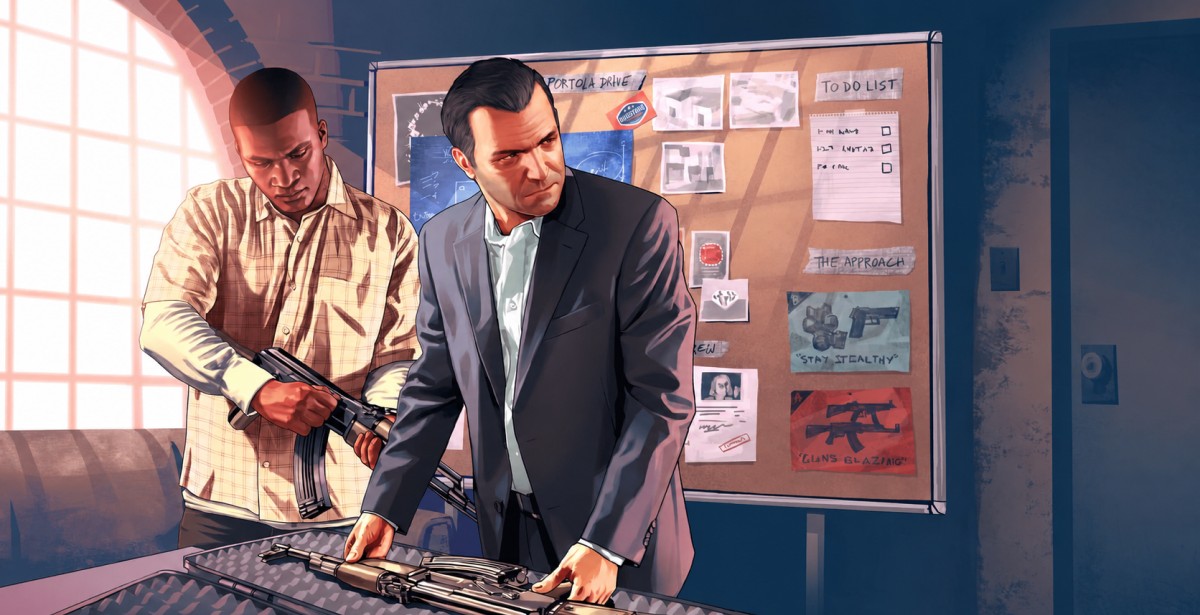
With Grand Theft Auto VI finally out after a very long 13-year wait since the launch of 2013’s GTA V, Rockstar Games has taken leaps and strides in evolving the heist formula that GTA V laid the groundwork for. However, I want to take a step back and revisit the fifth game’s story, which revolves around the intricate planning and execution of big heists, and see how GTA VI managed to take that concept and evolve it without compromising its own unique Bonnie and Clyde narrative.

GTA V is set in the San Andreas region of Los Santos (modelled after real-world Los Angeles) and follows three criminals – a retired robber named Michael, a small-time car thief named Franklin, and a deranged robber and Michael’s former partner, Trevor – as they attempt to pull off major heists across various locations, all resulting in some of the most spectacular set pieces and moments in any GTA game to date.

For many, this was the hook that made GTA V special. Rockstar Games ditched realism in favour of over-the-top theatrics that made the game feel more like a big-budget Hollywood blockbuster than a grounded, mostly realistic experience. Likewise, all of its main and side characters reflected that over-the-top nature, including and especially Trevor. Shortcomings aside with how Rockstar didn’t quite nail the balance of its three protagonists (Franklin unfortunately fell in the shadow of Michael and Trevor throughout most of the game), those heists were a core part of its success.
It wasn’t just the heists that dotted GTA V’s biggest moments, it was the careful, intricate planning that led up to it. Before the trio could pull off their next heist, it required a painstaking amount of research, planning and revisals beforehand. Hitting a big-time bank wasn’t as simple as entering the building and waving a gun around. The robbers had to lay out their plans in detail – taking everything into account including exit points, security threats, potential police interference, safe codes, crowd control, and the getaway.

Players could choose whether to go in guns-blazing with a more aggressive approach, or take the stealth route and come up with ways to execute those heists without fatalities or attracting the cops – either way, a degree of planning was needed to make sure all went according to plan (spoiler alert, I guess: it almost never goes according to plan, requiring improvisation on the spot from the player). The planning and build-up was just as crucial and rewarding as the heists themselves because it genuinely felt like you were putting all the pieces together.
Since GTA V’s narrative is built around pulling off these heists, it created an incredible amount of tension and excitement. Player agency was at the forefront of the experience but it also came with a small drawback: deviating from the plan often meant failure and a game over. GTA V gives players just enough wiggle room to improvise but not enough that they can completely control the flow and outcome of the heists. This is where GTA VI comes in.

Rockstar Games struck gold with this heist format and it wasn’t even a question if GTA VI would still keep that level of intricacy in its heists. Instead, GTA VI smartly evolves these heists by making them an organic part of the open world. Instead of being a core part of the story, Rockstar now naturally integrates them into the world and moment-to-moment gameplay. All that intricate planning that was mandatory in GTA V is now completely optional by the player, and you don’t even need missions to do it.
Entering a bank or store in GTA VI, it’s entirely up to the player how much planning they do. Searching for hidden cameras, checking security and blind spots, safe codes, securing a low-key getaway vehicle, wearing disguises, exit strategy, crowd control, drawing police attention, or the inevitable chase and shootout afterwards – it all happens in real-time, on the spot, and fully baked into the gameplay seamlessly.

Sure, GTA VI’s heists that result in those big moments aren’t as scripted or tightly orchestrated narratively as GTA V, but I’d argue the new game’s added immersion and penchant for cinematic flare, like in the chases and shootouts, can be just as good when everything happens naturally rather than part of a scripted sequence. It also gives room for truly unexpected things to happen when they aren’t tethered to a story beat, adding a lot to the fun factor in GTA VI.
Now, NPCs in GTA VI are a lot more responsive, the police are a lot more attentive, and the situations where heists can escalate into full-blown warfare are abundant – and they can all happen at random in Leonida. With so many options on how to tackle heists (playing into GTA VI’s incredible player agency), players now have opportunities to make their own chaos or get that gleaming sense of satisfaction from pulling off a heist completely undetected. It’s the type of organic open world freedom that other sandbox games simply do not offer to this degree.
GTA VI is available on PS5 and Xbox Series X/S.
Original article on GLITCHED

There are 1 comments
 Lurch
Please login to post comments.
More Features

Why GTA V’s Story Still Works and How GTA VI Evolves Heists
With Grand Theft Auto VI finally out after a very long 13-year wait since the launch of 2013’s GTA V...
26-11-26 Read more
Indie Highlight: DERELIKT
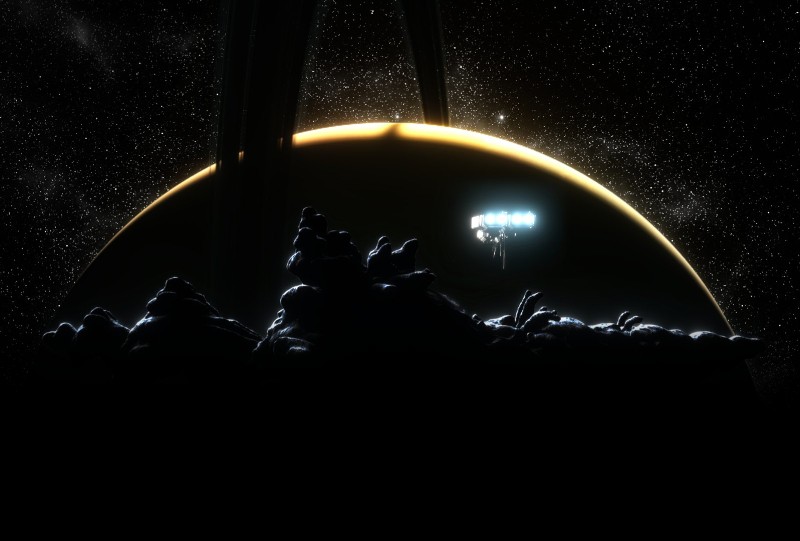
DERELIKT is delightfully deceptive. Inspired by the oft-forgotten Alien Resurrection adaptation for ...
25-11-26 Read more

MSI Handheld Gaming Black Friday Buying Guide for South Africa
Black Friday is a good opportunity to pick up a gaming handheld without spending quite as much as you...
23-11-26 Read more

MSI Laptop Black Friday Buying Guide for Work, Study and Gaming
Not everyone needs a gaming laptop, and spending more money on one doesn't necessarily mean you're getting...
23-11-26 Read more

Six Anime That Explore The Idol Life
There is something to be said about the human fascination with those who are famous, whether they be...
20-11-26 Read more

Five Hidden Anime Gems You Can Watch on Disney+ South Africa
Since Disney+ arrived in South Africa, we have been able to access a plethora of shows that would otherwise...
17-11-26 Read more
Indie Highlight: Queen's Domain (Nintendo Switch 2)
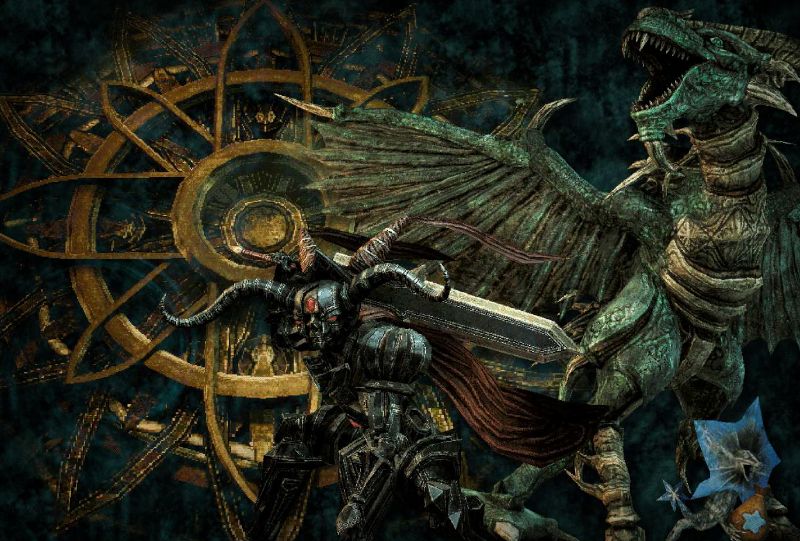
Queen’s Domain is a remarkable, retro-inspired, yet modernised King’s Field homage from tiny developer...
10-11-26 Read more

MSI Modern A15 AI: The Everyday Laptop Upgrade You've Been Looking For
The MSI Modern A15 AI+ is a modern productivity beast. It is a slender, lightweight device that merges...
05-11-26 Read more

8 Anime With Disability Representation for Disability Awareness Month
While not everyone suffers from a disability, approximately 16% of the global population experience ...
03-11-26 Read more
10 Psychological Thriller Anime to Watch This Spooky Season
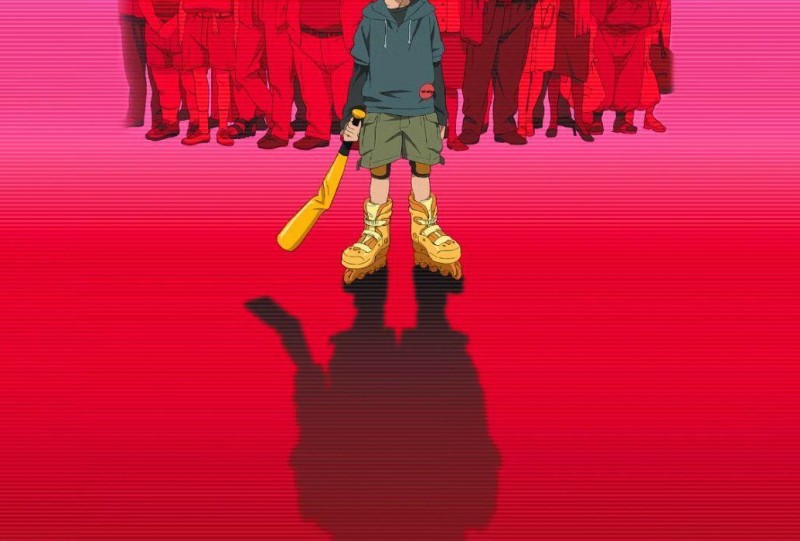
Nothing gets the blood pumping quite like a thriller, and psychological thrillers seem especially good...
30-10-26 Read more